


16% peroxide teeth whitening treatments have become increasingly popular among people seeking a brighter, whiter smile. This concentration offers an effective balance between whitening potency and safety, making it suitable for both first-time users and those looking for more significant results. Understanding how long you should use 16% peroxide, what to expect during and after treatments, and the science behind whitening gels can help you make informed decisions about your oral care routine.
What Is 16% Peroxide Teeth Whitening?
16% peroxide teeth whitening refers to a bleaching method that uses a gel containing hydrogen peroxide or carbamide peroxide at a 16% concentration. Peroxide is a powerful whitening agent that breaks down both surface and deep stains within the tooth structure. The gel is usually applied in custom or universal trays that fit snugly over your teeth, allowing the whitening agent to penetrate and oxidize discolorations.
How Does Peroxide Work on Teeth Stains?
Whitening products containing peroxide work by targeting the two main layers of your teeth: enamel and dentin. Enamel is the thin, outer surface that often accumulates stains from food, drinks, and age. Below the enamel lies dentin, which is naturally darker. Over time, as enamel thins, more of the dentin shows through, causing teeth to appear yellow or dull. The peroxide in whitening gels penetrates these layers and oxidizes the molecules causing discoloration, resulting in a visibly whiter smile.
Recommended Duration for 16% Peroxide Teeth Whitening
The optimal usage time for 16% peroxide gel is typically 3 to 4 hours per application, although overnight use is also recommended and considered safe for most users. The reason for this duration is to ensure that the peroxide remains active long enough to effectively break down stains, without causing excessive sensitivity or gum irritation. For many, applying the gel before bedtime and letting it work while sleeping is both convenient and effective. However, those new to whitening or with sensitive teeth may prefer shorter initial sessions to gauge their comfort level.
Factors Influencing Whitening Duration
Individual sensitivity
Personal sensitivity to peroxide varies from person to person. If you are prone to sensitivity, starting with shorter sessions—such as 2 hours—and gradually increasing the duration as your teeth adapt can minimize discomfort. Always consult with your dentist before beginning whitening treatments, especially if you have dental restorations or pre-existing oral health issues.
Previous Whitening Experience
Users who have previously undergone whitening treatments may tolerate longer sessions or require less frequent applications to maintain their desired results. For newcomers, following the package directions and professional advice is critical.
Severity of Stains
More pronounced stains may require longer or more frequent treatments. Coffee, tea, tobacco, and certain foods are common contributors to persistent discoloration. If your stains are stubborn, consistent application over several days or weeks can deliver better outcomes.
Safety Considerations When Using 16% Peroxide
Using a 16% peroxide whitening gel is considered safe when you follow manufacturer and dental recommendations. The gel’s viscosity is an important feature—it ensures the product does not leak out of the trays, which can cause gum irritation or uneven whitening. Many gels also contain desensitizing agents like potassium nitrate and sodium fluoride, which can help prevent or reduce sensitivity during and after use.
Managing Sensitivity
While whitening treatments are generally safe, some users experience mild to moderate sensitivity. Potassium nitrate is commonly included in whitening gels to calm nerve responses and protect vulnerable teeth. If sensitivity occurs, spacing out treatments and reducing application times can help. It is important to avoid whitening if you have untreated cavities, gum disease, or other oral problems until these issues are addressed by a dental professional.
Avoiding Gum Irritation
Proper tray application helps prevent leakage of the whitening gel onto your gums, which can cause irritation or a burning sensation. Always use trays that fit well, and remove any excess gel with a clean tissue before starting your session. If irritation develops, stop use and consult with your dentist.
Design and Benefits of Professional whitening gels
High-quality whitening gels are formulated for effectiveness and comfort. Those with a sticky, viscous texture are less likely to run off the tray, promoting even coverage and minimizing the risk of mess or gum contact. This feature makes the whitening process smoother and more predictable, ensuring the peroxide stays in place for optimal results.
How Many Applications Are Needed for Noticeable Results?
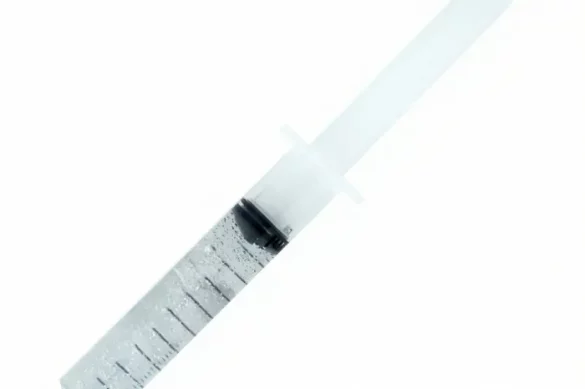
Most people begin to see improvement after just a few uses. Mild stains may lighten significantly with one or two treatments, while deeper stains might need several sessions. A standard 3g syringe of 16% peroxide gel can yield up to nine applications, allowing for a complete treatment cycle or periodic touch-ups as needed.
Consistency is crucial: whitening is more effective when performed regularly as directed, rather than sporadically. Overuse, however, should be avoided to prevent excessive sensitivity or enamel wear.
Tips for Achieving the Best Results
- Brush and floss thoroughly before each whitening session.
- Use the gel as directed and never exceed recommended durations.
- Avoid staining foods and drinks during the whitening period (e.g., coffee, wine, berries).
- If using overnight, ensure trays are comfortable and secure.
- Rinse your mouth and brush gently after removing the trays.
- Schedule treatments around important events for a brighter smile when you need it.
Who Should Use 16% peroxide teeth whitening?
This concentration is suitable for healthy adults looking for moderate to significant whitening. People with very sensitive teeth, gum disease, or dental restorations such as crowns and veneers should consult their dentist before starting treatment. whitening gels do not change the color of restorations and may cause uneven color if used on teeth with extensive restorations.
How Long Do Results Last?
Results can last several months, depending on lifestyle and oral hygiene. Avoiding stain-causing foods and drinks, practicing good dental care, and periodic touch-ups with 16% peroxide gel can maintain your whiter smile for longer. Individual results may vary based on genetics, oral health, and habits.
Frequently Asked Questions
Is 16% peroxide too strong for teeth whitening?
No, 16% peroxide is considered a moderate concentration suitable for most adults. It offers effective whitening with manageable sensitivity when used as directed.
How often can I use 16% peroxide whitening gel?
Most products recommend daily or every-other-day applications over 1-2 weeks. Always follow specific product instructions and consult your dentist for personalized advice.
Will 16% peroxide whitening work on all stains?
It works well on stains from coffee, tea, tobacco, and aging. However, stains from medications or deep-set discoloration may require additional dental intervention.
Can I eat or drink during treatment?
No, you should not eat or drink with trays in place, and it’s best to avoid staining food and drinks during the whitening period for optimal results.
How can I prevent sensitivity during whitening?
Use gels formulated with potassium nitrate and sodium fluoride, apply for shorter durations, and consult with your dentist if you experience discomfort.
Conclusion
16% peroxide teeth whitening is a reliable method to remove stains and brighten your smile safely and effectively. By following recommended application times of 3 to 4 hours, or overnight if preferred, users can strike the right balance between whitening strength and comfort. High-quality, viscous gels and desensitizing ingredients help enhance the experience and minimize risks. Always consult with your dentist to ensure that teeth whitening is appropriate for your individual needs and oral health. Proper use, good hygiene, and regular maintenance can help you enjoy lasting results from your whitening regime.