


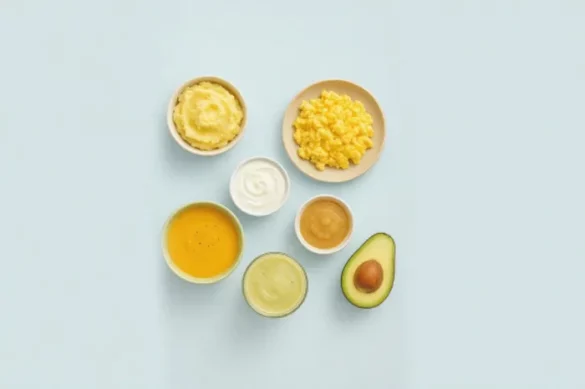
Recovering from wisdom teeth removal is a sensitive process that requires careful dietary choices. Eating the right foods can help you stay full and energized, while also promoting rapid healing and preventing complications. Many people worry about feeling hungry on a restricted post-surgery diet, but with the right selection, you can meet your nutritional needs and feel satisfied. Here are the six best filling foods after wisdom teeth extraction, along with helpful recovery tips for each meal.
Why Food Choices Matter After Wisdom Teeth Removal
Your mouth needs time to heal after wisdom teeth surgery. The area where your teeth were removed forms a clot to protect the bone and nerves underneath. If you eat hard, crunchy, or sticky foods, you risk dislodging this clot or irritating the surgical site, leading to pain and slower healing. That’s why your dentist will recommend a soft-food diet for at least a week. Choosing filling, high-nutrient foods also helps your body repair tissue and maintain energy—even while chewing is limited.
What Makes a Food ‘Filling’ After Surgery?
Filling foods are typically rich in protein, healthy fats, or complex carbohydrates. These nutrients digest slowly, keeping you fuller for longer. After wisdom teeth extraction, the key is to find options that are soft, easy to swallow, gentle on the gums, and packed with nutrients. Avoiding seeds, spicy foods, and rough textures is crucial. Hydration is also part of feeling satisfied, so drink plenty of fluids without using a straw.
1. Mashed Potatoes
Mashed potatoes are a classic comfort food and one of the best options after oral surgery. They require no chewing if whipped to a smooth, creamy consistency. Potatoes are rich in carbohydrates, providing quick energy that will help you feel full. For extra calories and flavor, add a small amount of butter, olive oil, or cream cheese. You can also try mashed sweet potatoes for added vitamins A and C. Always let your mashed potatoes cool to lukewarm before eating, as hot food can harm your healing gums.
2. Protein-Packed Scrambled Eggs
Soft scrambled eggs are a powerhouse choice for post-wisdom teeth meals. Eggs contain high-quality protein, which is crucial for tissue healing and muscle maintenance. They are gentle on the mouth when cooked soft (not rubbery) and can be flavored with a pinch of salt or a bit of cheese for added protein and taste. Avoid overcooking, as dry eggs may be harder to swallow or less comfortable to eat. Using a little milk or butter during cooking helps make them extra fluffy and easy to consume.
3. Creamy Greek Yogurt
Greek yogurt is loaded with protein, which helps you stay full between meals. It also contains probiotics, which can support digestion and general health. Choose a plain, full-fat variety without fruit pieces or seeds. Smooth yogurt goes down easily and can be eaten with a spoon. To vary the flavor, try blending plain yogurt with a small, ripe banana or a spoonful of natural peanut butter. Always avoid yogurts with crunchy granola mix-ins, seeds, or sugary syrups. If you want even more calories, opt for a higher-fat version.
4. Blended Soups
Soups made from blended vegetables and protein-rich foods are highly filling and provide a wide range of nutrients that speed healing. Puree soups thoroughly to remove all chunks. Popular choices include creamy potato, pumpkin, or carrot soup. For more protein, add soft-cooked shredded chicken, tofu, or a scoop of cottage cheese into the blend. Temperatures should be lukewarm or room temperature. Soups are ideal for hydration as well as nourishment, but remember to avoid spicy or acidic ingredients that may irritate your recovery site.
5. Oatmeal and Smooth Cereals
Oatmeal, when cooked until very soft and thin, is an excellent meal for post-surgery recovery. It is rich in soluble fiber that helps you feel full for hours. Quick or instant oats work best, and you can add extras like mashed banana for extra calories and potassium. Alternative soft cereals such as cream of wheat or rice cereal are also good. For maximum benefit, make sure the texture is smooth and avoid adding fruit pieces, nuts, or seeds during this phase. If needed, thin the cereal with extra milk to ensure it is easy to swallow without chewing.
6. Avocado and Cottage Cheese Blends
Mashed avocado is filled with healthy fats and vitamins. When paired with soft cottage cheese, it becomes a delicious, nutritious, and filling snack or meal. Both avocado and cottage cheese provide long-lasting fullness due to their fat and protein content. Simply mash a ripe avocado and combine with a generous scoop of cottage cheese, mixing until you have a creamy consistency. For extra nutrition, drizzle with a small amount of olive oil. This blend is gentle on your gums and provides energy for healing.
Important Tips for Eating After Wisdom Teeth Removal
- Always eat slowly and take small, careful bites.
- Chew (if needed) on the side opposite the extraction site to protect healing tissue.
- Allow foods and drinks to cool to lukewarm before consuming.
- Stay hydrated by sipping water frequently, but do not use straws.
- Avoid all crunchy, spicy, acidic, or very hot foods until your dentist advises otherwise.
Foods to Avoid After Wisdom Teeth Surgery
- Hard or crunchy foods (chips, nuts, crackers, raw vegetables)
- Sticky items (chewy candy, caramel, gum)
- Spicy and acidic dishes (salsa, citrus, tomatoes)
- Popcorn, seeds, or foods with small hard pieces
- Carbonated drinks and alcohol
- Any very hot foods or beverages
Sticking to these guidelines helps reduce the risk of infection, dry socket, or delayed healing and ensures your recovery goes smoothly. Always follow the advice of your dental professional about when to reintroduce regular foods.
Conclusion
Recovering from wisdom teeth removal can feel restricting, but with the right filling foods, you can maintain a satisfying and healthy diet. Mashed potatoes, scrambled eggs, Greek yogurt, blended soups, oatmeal, and avocado-cottage cheese blends deliver the energy, protein, and nutrients you need, all while protecting your surgical site. As you heal, introduce more texture gradually, and prioritize hydration. Make your post-surgery meals a time to nourish both your body and your recovery.
FAQs
What foods keep you full after wisdom teeth removal?
Protein-rich soft foods like scrambled eggs, Greek yogurt, and blended soups, along with complex carbs such as oatmeal and potatoes, help keep you full and satisfied.
How soon can I eat these filling foods after surgery?
Most of the above foods can be gradually introduced within the first three days, depending on your comfort and your dentist’s directions. Always start with thinner, smoother foods and advance as tolerated.
Can I add flavors or spices to these foods?
Mild seasonings like a pinch of salt or a drizzle of olive oil are fine, but avoid spicy, acidic, or peppery condiments, which can irritate your healing gums.
How long should I stick to a soft, filling diet?
Usually, a soft-food diet is necessary for one week after wisdom teeth removal, or as recommended by your dentist. If you experience pain while chewing, go back to softer foods for a day or two.
What should I do if a food causes pain or discomfort?
Stop eating that food immediately, rinse gently with water, and switch back to a milder or softer option. Contact your dental professional if the pain persists or if you notice signs of infection.