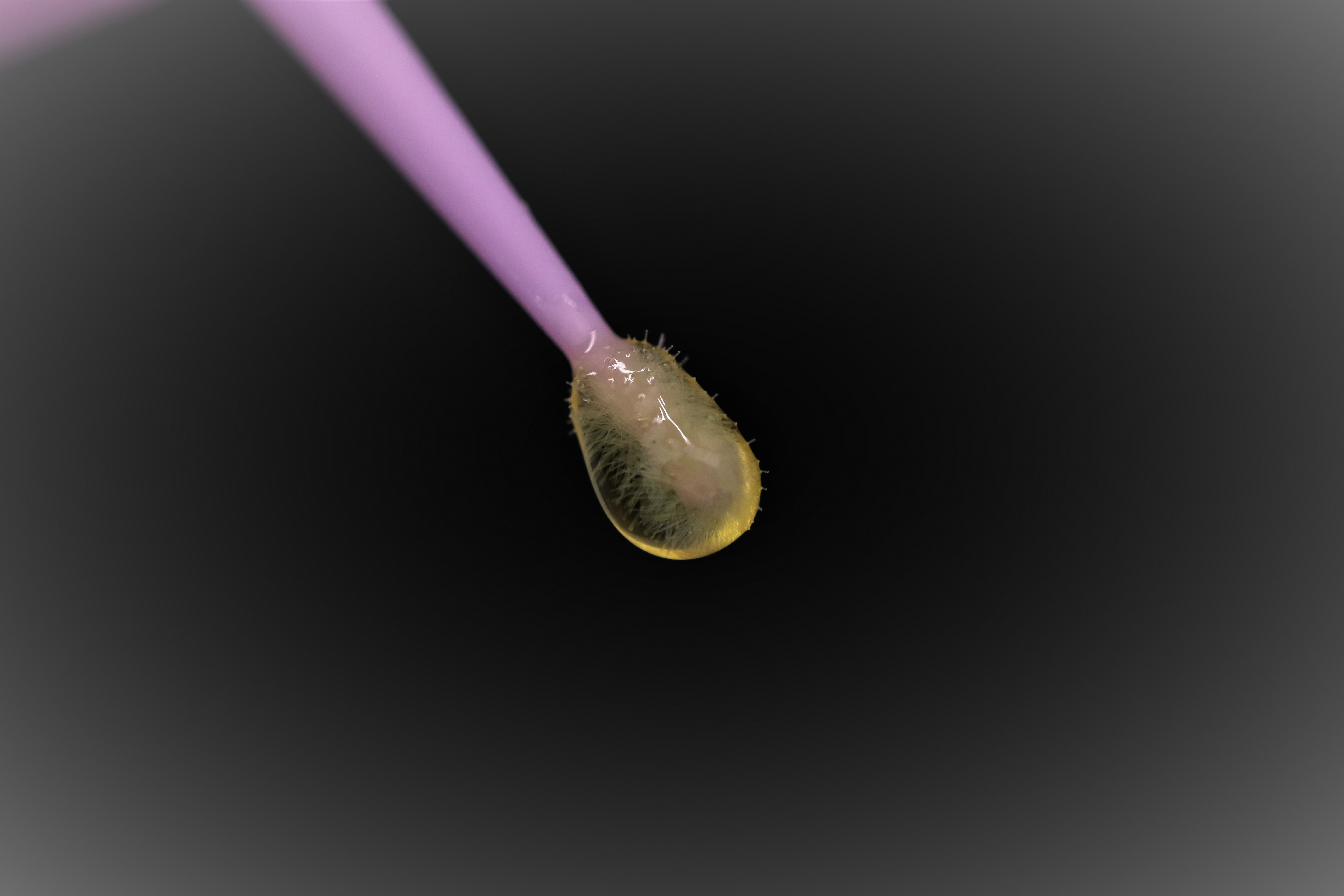
 Choosing the right adhesive system is essential for delivering durable and satisfying restorative work. Traditional adhesive systems, with their tried-and-true protocols, have long been a staple in dentistry, known for their reliability and well-defined applications. However, universal bonding agents have introduced new possibilities, offering versatility, simplified protocols, and potentially similar long-term effectiveness. Let’s compare the longevity, reliability, and overall patient satisfaction between universal bonding agents and traditional adhesives to help you determine which system may be best suited for your practice., ,Universal bonding agents were developed to simplify bonding protocols by offering a single product that can be used in total-etch, self-etch, or selective-etch modes. This allows dentists to choose the most appropriate bonding method based on the clinical scenario, potentially achieving similar bond strength with reduced time and fewer materials., , , ,Both universal and traditional adhesive systems offer valuable benefits, with universal bonding agents providing excellent bond strength, reduced post-operative sensitivity, and improved workflow efficiency. For those seeking a more adaptable, time-efficient solution that maintains high quality, universal bonding agents may be the better choice, delivering durable, patient-pleasing results with enhanced ease and flexibility.


