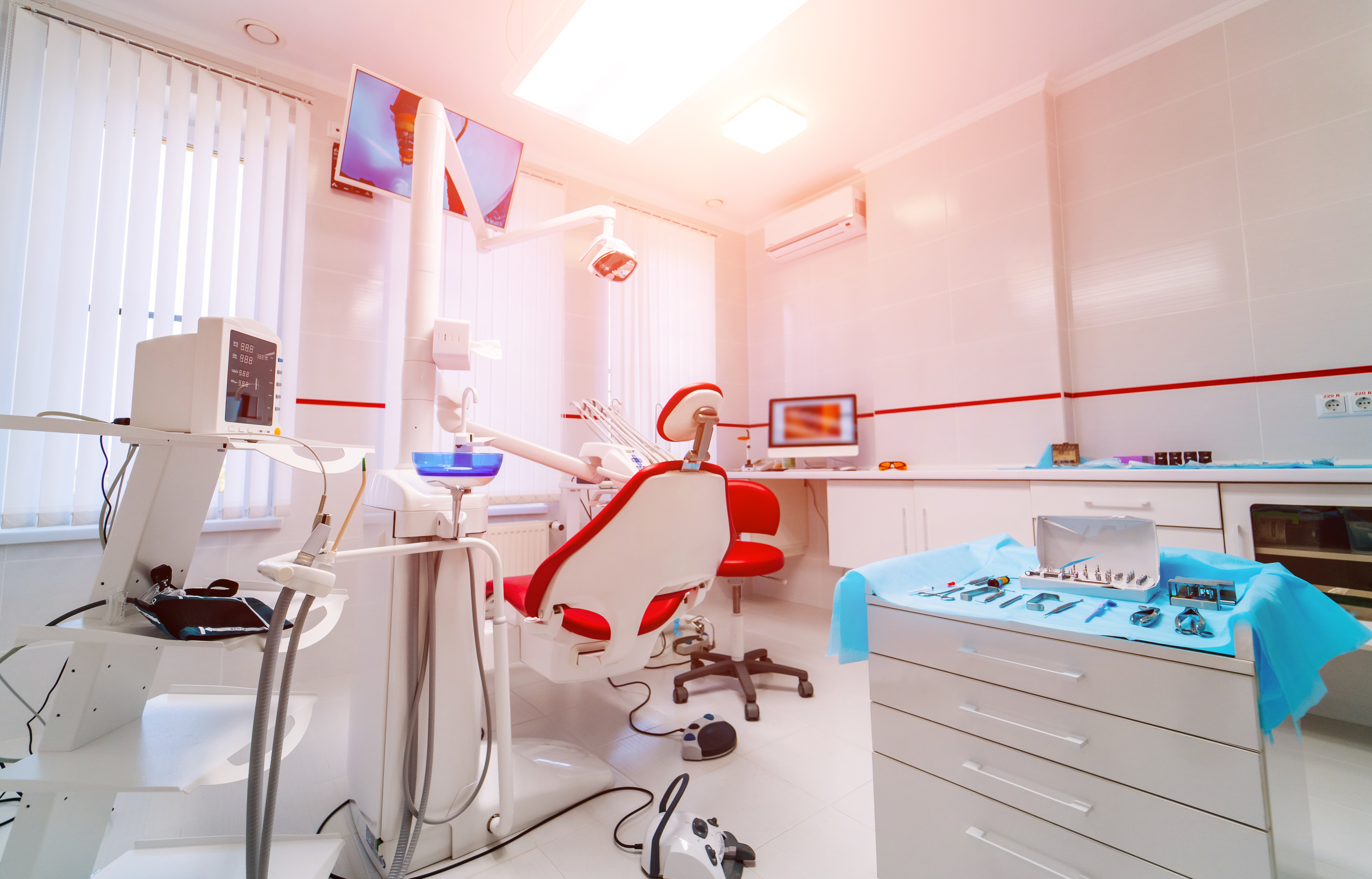
 Dental delivery units have come a long way since their introduction, evolving from basic setups to sophisticated systems that enhance the efficiency and comfort of both dental professionals and patients. In the early days of dentistry, practitioners relied on rudimentary tools and manually operated drills. Most treatments were performed using hand instruments with minimal assistance from equipment, often making procedures longer and more physically demanding for the dentist., ,The late 19th century marked a significant advancement with the introduction of the foot-powered dental drill, which became the foundation for future innovations in dental delivery systems. These early systems allowed dentists to work more efficiently but still required significant manual control and adjustment., ,As the dental profession advanced through the 20th century, so did the technology behind dental delivery units. The rise of electric-powered drills and the incorporation of compressed air tools brought more precision and ease to procedures. By the mid-20th century, dental delivery units began to include more integrated systems, featuring air and water syringes, high- and low-speed handpieces, and suction devices. This made procedures more streamlined and reduced the need for multiple separate tools, improving both workflow and patient care., ,Modern dental delivery units now offer a wide range of customizable options. With features like digital displays, ergonomic designs, and built-in storage for tools and materials, they support a more seamless and organized treatment environment. Units can also be tailored to the specific needs of a practice, whether for general dentistry, oral surgery, or orthodontics. The integration of digital technology, such as touchscreens and automated systems, has further enhanced the capabilities of dental delivery units, making them a vital part of contemporary dental practices., ,The evolution of dental delivery units reflects the ongoing progress in dental care, offering improved functionality and comfort for practitioners while enabling more effective patient treatment.


