


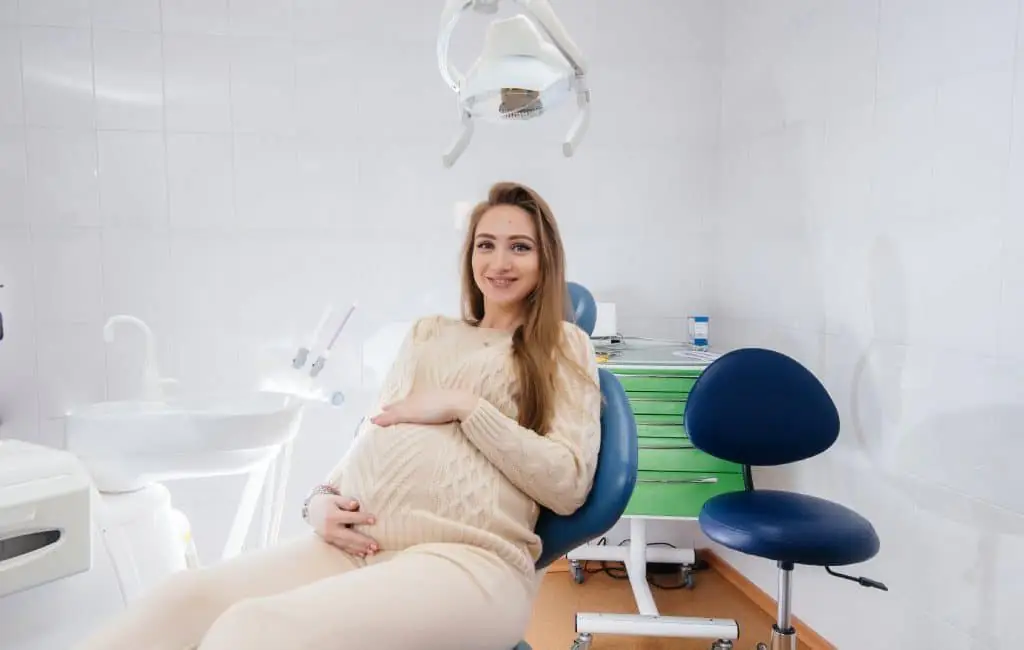
Many expectant mothers are surprised to find that while their teeth were perfectly healthy before pregnancy, they suddenly start experiencing frequent issues. This isn’t a coincidence—it’s the result of physiological shifts during pregnancy that can make your teeth more vulnerable:
Hormonal Fluctuations: Significant changes in hormone levels and immune function can increase susceptibility to oral infections like gingivitis, periodontitis, and pulpitis. Existing minor cavities or dormant inflammation can also flare up rapidly during pregnancy, causing severe pain.
Lifestyle & Dietary Changes: Cravings for sweets or acidic foods, combined with more frequent snacking, create the perfect breeding ground for bacteria if oral hygiene isn’t maintained. Furthermore, pregnancy-related nausea, vomiting, and fatigue can lead to inconsistent dental hygiene, further increasing the risk of decay.
Timing Is Everything: Ensuring Safety for You and Baby
Because fetal development stages vary, the approach to dental care must be adapted to keep both mother and baby safe.
1. First Trimester (1–3 Months): The “Caution Phase”
This is the critical period of fetal organogenesis. The goal here is symptom relief without intervention.
What you can do: For mild pain, stick to thorough but gentle cleaning and local cold compresses. For severe pain (like acute pulpitis), a dentist can perform an emergency procedure—such as “opening the pulp” to release pressure—which is non-medicated and safe for the baby.
What to avoid: Refrain from complex procedures like root canals or extractions. Avoid unnecessary medications or X-rays. If an X-ray is unavoidable, it must be performed with proper abdominal lead-shielding and at the lowest effective dose.
2. Second Trimester (4–6 Months): The “Golden Window”
With the pregnancy relatively stable, this is the safest time for most dental treatments.
What you can do: Routine procedures such as fillings, root canal therapy, and soothing treatments are generally safe. Dentists typically use lidocaine or articaine with adrenaline (which have low fetal exposure) and can prescribe safe antibiotics like penicillins or cephalosporins if needed. For pain management, acetaminophen is often the first-line choice (limit to 0.5g per dose, maximum 2g per day under medical supervision).
Important notes: Always disclose your exact gestational age to your dentist. They will adjust your chair position to avoid prolonged supine pressure. If you feel dizzy or palpitations, signal the dentist immediately to pause.
3. Third Trimester (7–9 Months): The “Emergency Only” Phase
As the fetus grows, the uterus becomes more sensitive, increasing the risk of contractions. The focus shifts to emergency stabilization until after delivery.
What you can do: Emergency relief (such as drainage and localized irrigation) to stop infection and pain.
What to avoid: Avoid prolonged or invasive procedures. Defer all non-essential restorative work until after the baby is born.
📋 The “Healthy Smile” Pregnancy Checklist
Use this guide to keep your oral health on track throughout your journey:
🗓️ Before Pregnancy (The Planning Phase)
[ ] Schedule a deep clean: Visit the dentist for a professional cleaning.
[ ] Address the “Hidden” issues: Get those small cavities filled now—they become much harder to treat once the morning sickness hits.
[ ] Wisdom tooth review: Ask your dentist if your wisdom teeth are likely to become problematic soon.
🤰 During Pregnancy (The Maintenance Phase)
[ ] The “Gentle” Routine: Use a soft-bristled toothbrush to protect sensitive, pregnancy-prone gums.
[ ] The Floss Factor: Don’t skip flossing! It is the only way to remove plaque from the “blind spots” between teeth.
[ ] Rinse after snacking: If you experience morning sickness or frequent snacking, rinse your mouth with water or a mild, non-alcoholic mouthwash to neutralize acid.
[ ] Nutrition check: Ensure you are getting enough Calcium (milk, yogurt, leafy greens) and Vitamin C (citrus, bell peppers) to support gum health.
❓ Frequently Asked Questions
How can I get rid of a toothache during pregnancy?
If you are experiencing tooth pain, do not attempt to “wait it out” or use home remedies (like alcohol or spicy herbs), as these can irritate your gums or cause systemic issues. Instead:
Identify the cause: Rinse your mouth gently with warm salt water to remove food debris that might be trapped.
Seek professional help: Contact your dentist immediately. They can provide safe, localized treatment to alleviate the pain.
Medication: Only take pain relievers (like acetaminophen) if recommended or prescribed by your healthcare provider.
Can tooth pain harm a baby during pregnancy?
While the pain itself is a symptom, the underlying cause (such as an untreated infection) is the real concern. Chronic pain and stress can be detrimental to your overall well-being, and severe, untreated dental infections can potentially lead to systemic complications if they spread. Treating the issue promptly is always safer for both you and the baby than leaving it to fester.
Is it bad to have a tooth infection while pregnant?
Yes. An untreated oral infection is a significant health risk during pregnancy. Infections can lead to inflammation and, in rare but severe cases, spread through the bloodstream. Furthermore, severe gum disease (periodontitis) has been linked in some studies to adverse pregnancy outcomes, such as preterm birth or low birth weight. Addressing an infection early is highly recommended.
Can I go to the hospital for tooth pain while pregnant?
Yes, you absolutely can. If you are experiencing severe pain, facial swelling, difficulty swallowing, or fever, these are signs of an acute infection that requires urgent attention. Do not hesitate to visit an emergency department or an emergency dental clinic. Be sure to inform the triage staff and treating physicians that you are pregnant and how many weeks along you are, so they can provide care that is safe for both you and your baby.
Final Note: A toothache during pregnancy is never just a “small matter.” By seeking timely, professional intervention and maintaining consistent care, you can ensure your comfort and protect your baby’s health. Wishing you a smooth pregnancy and a bright, healthy smile!