


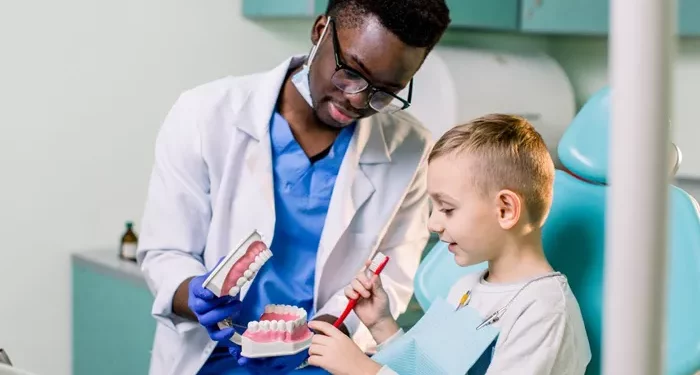
Dental hygienists in the Northwest Territories can now treat patients without dentist supervision, a move aimed at improving access to preventative oral care in the region.
The change, effective Monday, allows registered dental hygienists to perform services such as cleanings, fluoride treatments, and preventive care for small cavities independently.
The measure was first proposed in March 2023 by MLA Caitlin Cleveland through a private member’s bill, addressing long-standing gaps in dental care across the territory.
Hygienists can already operate independent practices in all Canadian provinces, according to the Canadian Dental Hygienists Association. Stacey Ridgely, who helped draft the N.W.T.’s new Dental Hygiene Profession Regulations, said the update aligns the territory with other jurisdictions and promotes mobility for dental professionals trained elsewhere.
“Separating dental providers to allow hygienists to work independently empowers them to secure contracts and provide preventive care in small, remote communities,” Cleveland told legislators.
However, Ridgely cautioned that independence alone may not automatically improve access to care. “It potentially could, but not necessarily,” she said. “It depends on whether hygienists are willing to expand their practices.”
Independent dental hygienists note the challenges of reaching remote communities. Collette Murray, who has run a mobile practice in Calgary for 13 years, said the model could work in the N.W.T. if local coordination ensures patients are available when hygienists arrive.
“The biggest struggle isn’t setting up practice, it’s having clients to work on,” Murray said. “Traveling by plane with equipment would require strategic planning.”
Meg Kreutziger, who operates a mobile and storefront practice in Grande Prairie, Alta., was less optimistic. She said transportation costs, travel risks, and patient no-shows could make fees unaffordable, limiting access despite the new independence.
Both Murray and Kreutziger emphasized that government support, such as contracts or logistical assistance, would make independent practice more viable in remote areas. “Oral care is health care,” Murray said. “Integration with local health services yields the best outcomes.”
Currently, the N.W.T. Department of Health and Social Services offers no financial support or contracts for independent dental hygienists, leaving providers to shoulder the risks and costs of mobile care themselves.