


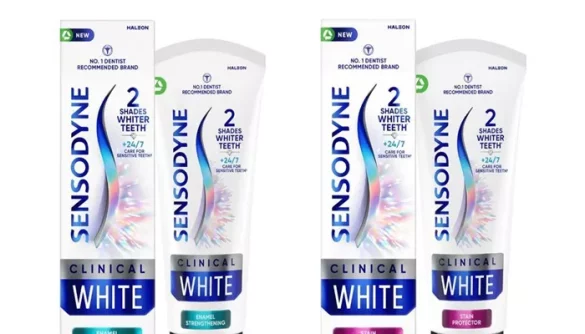
Sensodyne Whitening toothpaste is a popular product among people with sensitive teeth. It is designed to relieve tooth sensitivity while gently whitening teeth. This dual function makes it appealing to those who want both comfort and aesthetics. But many people ask: Is it safe for long-term use? Does it harm your enamel or gums?
Main Ingredients in Sensodyne Whitening Toothpaste
Potassium Nitrate
This is the key desensitizing agent. It calms the nerves inside the teeth and helps reduce sensitivity over time.
Sodium Fluoride
This is used to prevent cavities. It strengthens tooth enamel and helps repair early decay.
Mild Abrasives
These help remove surface stains without damaging enamel. Sensodyne uses calcium carbonate or hydrated silica as gentle polishing agents.
How Sensodyne Whitening Works
The whitening component in Sensodyne does not bleach teeth. Instead, it removes surface stains with mild abrasives. This is less aggressive than peroxide-based whiteners. The toothpaste also helps protect against cavities and relieves tooth sensitivity.
Is Sensodyne Whitening Toothpaste Safe for Tooth Enamel?
Low Abrasivity Formula
Sensodyne Whitening is formulated to be low in abrasiveness. This reduces the risk of enamel erosion. Most dentists agree it is safe for daily use.
Enamel Protection
With the addition of fluoride, this toothpaste helps strengthen and remineralize enamel. It protects teeth from decay and acid erosion over time.
Impact on Gum Health
Does It Cause Gum Inflammation?
Sensodyne Whitening is not known to cause gum inflammation. However, improper brushing techniques may irritate gums. Using a soft-bristled toothbrush is recommended.
Benefits for People with Gum Disease
People with gum disease often suffer from sensitive teeth due to receding gums. Sensodyne may help ease this discomfort. While it doesn’t treat gum disease, it supports comfort during treatment.
Who Should Use Sensodyne Whitening Toothpaste?
Individuals with Tooth Sensitivity
Those who feel pain from hot, cold, sweet, or acidic foods can benefit from this toothpaste. The formula targets exposed dentin and calms the nerve endings.
People Seeking Mild Whitening
If you want a gentle whitening effect without harsh chemicals, Sensodyne Whitening is suitable. It is not for dramatic whitening but improves brightness over time.
Can Sensodyne Whitening Cause Any Harm?
Rare Side Effects
Some users report irritation or allergic reactions to ingredients. These are uncommon. If you experience mouth sores, stop using the product and consult a dentist.
No Evidence of Long-Term Damage
Studies and clinical use show that Sensodyne Whitening does not erode enamel or damage gums when used as directed. It is considered safe by dental professionals.
Comparison With Other Whitening Toothpastes
Abrasiveness Levels
Many whitening toothpastes are highly abrasive. They can wear down enamel with frequent use. Sensodyne is designed to be gentle and enamel-safe.
Use of Peroxide
Unlike many whitening products, Sensodyne Whitening does not contain peroxide. This avoids sensitivity flare-ups in many users.
Effectiveness of Sensodyne Whitening
How Quickly Does It Work?
Whitening results are gradual. Users may see an improvement in brightness after a few weeks. Sensitivity relief often starts within a week.
Limitations of Whitening
This toothpaste cannot change the natural shade of your teeth. It removes surface stains only. For deep discoloration, professional whitening may be necessary.
Tips for Safe Use of Whitening Toothpaste
Brush Gently
Use a soft-bristled toothbrush and gentle pressure. Brushing too hard can cause gum inflammation and enamel wear, even with a gentle formula.
Use As Directed
Follow instructions on the packaging. Avoid using whitening toothpaste more often than recommended. Twice-daily use is sufficient.
Maintain Overall Oral Hygiene
Combine the toothpaste with flossing, mouthwash, and regular dental visits. This helps prevent gum disease and keeps teeth healthy.
Expert Opinions and Clinical Evidence
ADA Recommendations
The American Dental Association (ADA) has approved certain Sensodyne products. This means they meet safety and effectiveness standards for daily use.
Research Studies
Clinical studies confirm that Sensodyne Whitening reduces sensitivity and maintains enamel integrity. Its mild abrasives are less damaging than traditional whitening pastes.
When to Consult a Dentist
Persistent Sensitivity
If sensitivity continues after two weeks of use, see your dentist. There may be an underlying issue like a cavity or gum disease.
Signs of Irritation
If you experience swelling, soreness, or bleeding gums, consult a dental professional. The issue may not be caused by the toothpaste but needs evaluation.
Alternative Whitening Options
Professional Whitening
For stronger whitening results, dental professionals offer safe and effective treatments. These include in-office bleaching and custom whitening trays.
Natural Remedies
Brushing with baking soda or oil pulling may help remove stains. However, these are less effective and not always safe for sensitive teeth.
Conclusion
Sensodyne Whitening toothpaste is not bad for your teeth. It is a safe, dentist-recommended product for people with sensitivity. The formula protects enamel, helps reduce gum inflammation, and supports oral hygiene. It does not cause gum disease or enamel erosion when used correctly. For those seeking gentle whitening and relief from sensitivity, Sensodyne Whitening is a smart choice.