


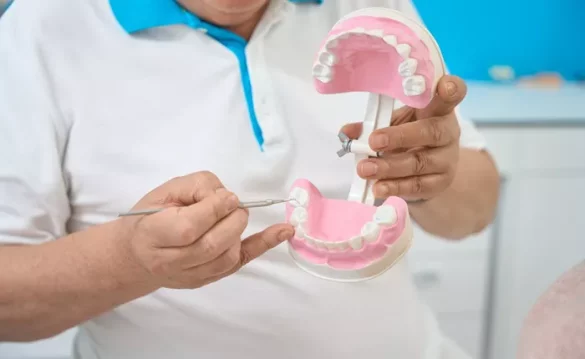
Denture sores are painful spots or ulcers that develop in the mouth due to the use of dentures. These sores can make eating, talking, and daily life difficult. Improper denture fit, poor oral hygiene, or prolonged use of dentures without breaks are common causes. It’s important to address these issues early to avoid infections or complications such as gum disease and irritation of sensitive teeth.
10 Best Treatment for Denture Sores
1. Rinse with Warm Salt Water
A warm saltwater rinse is one of the simplest and most effective remedies. Salt has natural antibacterial properties and can help reduce inflammation and cleanse sore areas. Mix one teaspoon of salt in a cup of warm water and rinse your mouth gently two to three times daily.
Why It Works
This method reduces bacteria in the mouth, calms irritated tissues, and promotes healing without irritating sensitive teeth.
2. Remove Dentures at Night
Wearing dentures 24/7 puts constant pressure on the gums, which can lead to denture sores. Taking them out at night gives your oral tissues time to recover.
Dental Expert Advice
Dentists recommend at least 6 to 8 hours of denture-free time daily. This reduces the risk of gum disease and allows natural healing processes to work more efficiently.
3. Use Denture Cushions or Liners
Denture cushions or liners provide a soft barrier between your gums and the denture base. They reduce pressure points and improve comfort.
Best for Pain Relief
These products can be temporary solutions until your dentures are professionally adjusted. They’re also useful for individuals with sensitive teeth or fragile oral tissues.
4. Maintain Proper Denture Hygiene
Cleaning dentures daily helps prevent bacterial buildup that can cause infections and worsen sores. Use a soft denture brush and non-abrasive cleanser.
Preventing Oral Infections
Regular cleaning helps reduce the risk of thrush, a fungal infection common among denture wearers. Avoiding infections also protects against worsening gum disease.
5. Apply Over-the-Counter Oral Gels
Gels with benzocaine or other numbing agents can provide quick relief for sore areas. These are available at most drugstores and can temporarily numb the pain.
Safe Use Guidelines
Apply a small amount to the affected area using clean hands. Do not exceed recommended usage to avoid irritation of the sensitive teeth or mucosa.
6. Adjust or Reline Your Dentures
Poorly fitting dentures are a leading cause of mouth sores. Dentists can reline or remake your dentures to ensure a better fit and relieve pressure spots.
Professional Intervention
If your dentures rock, pinch, or cause discomfort, visit your dentist promptly. An ill-fitting denture can damage the gums and worsen gum disease symptoms.
7. Eat a Soft Diet During Flare-Ups
Hard or crunchy foods can aggravate sore spots. Stick to soft foods like yogurt, mashed potatoes, and soup until the sores heal.
Protecting Oral Tissues
This strategy reduces mechanical irritation and supports faster recovery, especially important for people with sensitive teeth or oral ulcers.
8. Use Aloe Vera Gel
Aloe vera is known for its soothing and healing properties. It can reduce inflammation and support tissue repair when applied directly to the sore area.
Natural Healing Option
Make sure to use food-grade aloe vera gel. Apply a thin layer two to three times a day to help ease pain and inflammation naturally.
9. Stay Hydrated and Avoid Irritants
Dry mouth can worsen denture sores. Drink plenty of water and avoid alcohol, tobacco, and spicy foods, which can irritate oral tissues further.
Improving Oral Health
Proper hydration supports saliva production, which protects against gum disease and discomfort. Avoiding irritants also helps protect sensitive teeth.
10. Visit a Dental Professional
If denture sores persist for more than a week, consult your dentist. There could be underlying issues like a fungal infection or serious gum disease that require professional treatment.
When to Seek Help
Signs like pus, severe pain, or bleeding require immediate dental care. Early treatment helps prevent complications and ensures the long-term health of your mouth.
Additional Tips to Prevent Denture Sores
Practice Good Oral Hygiene
Even if you wear full dentures, it’s essential to brush your gums, tongue, and roof of your mouth daily. This reduces bacteria and helps prevent inflammation.
Use Products for Sensitive Teeth
For people with partial dentures, using toothpaste for sensitive teeth can prevent discomfort from exposed roots or natural teeth adjacent to the denture.
Watch for Signs of Gum Disease
Redness, bleeding, and persistent bad breath may indicate gum disease. Routine dental checkups can help catch and treat these signs early.
Conclusion
Denture sores are common but manageable with the right strategies. From home remedies like saltwater rinses and aloe vera gel to professional interventions like denture adjustments, there are many effective treatments. Staying on top of oral hygiene, watching for signs of gum disease, and caring for sensitive teeth are essential for a pain-free and healthy denture experience.