


Coconut Oil Teeth Whitening: What You Need to Know First
Coconut oil teeth whitening has become a viral trend across social media. Many people now search for natural ways to improve their smiles. As a result, oil pulling with coconut oil has gained massive attention.
However, not all trends deliver real results. Some methods work slowly. Others offer little visible change. Therefore, it is important to understand how coconut oil teeth whitening actually works before trying it.
In simple terms, this method involves swishing coconut oil in your mouth. People usually do this for 10 to 20 minutes. After that, they spit it out and rinse.
Supporters claim it removes toxins and bacteria. They also believe it can whiten teeth naturally. But does science support these claims? Let’s explore further.
What Is Coconut Oil Teeth Whitening?
Coconut oil teeth whitening is based on an ancient practice called oil pulling. This method started in traditional Ayurvedic medicine. Today, it has become popular again due to natural health trends.
Here is how it works:
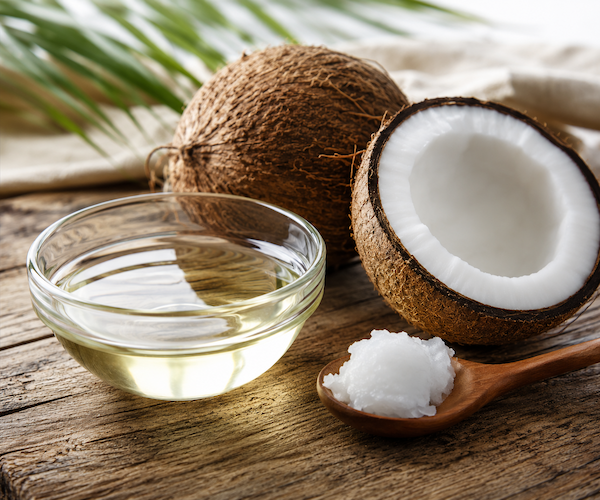
- You take one tablespoon of coconut oil
- Then, you swish it in your mouth
- After 10–20 minutes, you spit it out
- Finally, you rinse and brush your teeth
Many people prefer coconut oil because it tastes mild. Also, it contains lauric acid, which has antibacterial properties.
However, whitening teeth requires removing stains or changing enamel color. So, the key question remains: can coconut oil actually do that?
Benefits of Coconut Oil for Oral Health
Even if whitening is limited, coconut oil still offers benefits. That is why many people continue using it.
Here are some key advantages:
1. Reduces Harmful Bacteria
Coconut oil contains lauric acid. This compound helps fight bacteria in the mouth.
2. Supports Gum Health
Regular oil pulling may reduce inflammation. As a result, gums can look healthier.
3. Improves Breath
Bad breath often comes from bacteria. Therefore, reducing bacteria helps improve freshness.
4. Natural and Chemical-Free
Many people prefer natural solutions. Coconut oil provides a simple alternative to chemical products.
However, these benefits relate more to hygiene than whitening.
Risks and Limitations You Should Know
Although coconut oil is generally safe, it has limitations. Therefore, users should stay cautious.
Here are some important points:
- It does not replace brushing or flossing
- It cannot remove deep stains from coffee or smoking
- Results take time and vary between users
Additionally, excessive oil pulling may cause jaw fatigue. Some people also feel discomfort during long sessions.
So, while it is safe, it should be used as a supplement, not a primary whitening method.
Coconut Oil vs Other Whitening Methods
Now let’s compare coconut oil with other popular methods. This helps you choose the best option.
Coconut Oil
- Natural and gentle
- Low cost
- Minimal whitening effect
Whitening Toothpaste
- Easy to use
- Removes surface stains
- Mild results
Whitening Strips
- Contains peroxide
- Noticeable results
- May cause sensitivity
Professional Whitening
- Fast and effective
- Strong results
- Higher cost
Clearly, coconut oil ranks lowest in whitening strength. However, it remains useful for maintenance.
How to Use Coconut Oil Safely
If you want to try coconut oil teeth whitening, follow these tips:
- Start with 5–10 minutes, then increase gradually
- Use high-quality organic coconut oil
- Do not swallow the oil
- Always brush after oil pulling
Consistency also matters. Results may take weeks to appear.
However, do not expect dramatic changes. Think of it as part of a broader oral care routine.
Who Should Try Coconut Oil Teeth Whitening?
This method works best for certain people.
You may benefit if:
- You prefer natural remedies
- You have sensitive teeth
- You want better oral hygiene
However, it may not suit you if:
- You want fast whitening results
- You have deep stains
- You expect professional-level outcomes
Therefore, understanding your goals is essential before choosing this method.
FAQ About Coconut Oil Teeth Whitening
How long does it take for coconut oil to whiten teeth?
Results usually take several weeks. However, changes are often minimal. It mainly improves cleanliness rather than color.
Why do dentists hate oil pulling?
Dentists do not necessarily hate it. However, they prefer proven methods. Oil pulling lacks strong scientific evidence for whitening.
What is the fastest home remedy to whiten your teeth?
Whitening strips or gels work faster. They contain peroxide, which removes stains more effectively.
Final Thoughts on Coconut Oil Teeth Whitening
Coconut oil teeth whitening continues to trend online. It offers a natural and simple approach to oral care. However, it does not deliver dramatic whitening results.
Instead, it works best as a supportive routine. It can improve oral hygiene and freshness. But for visible whitening, stronger methods are more effective.
Therefore, if you want a brighter smile, consider combining approaches. Use coconut oil for maintenance. Then, choose proven whitening treatments for real results.
In the end, coconut oil teeth whitening is helpful—but not a miracle solution.