


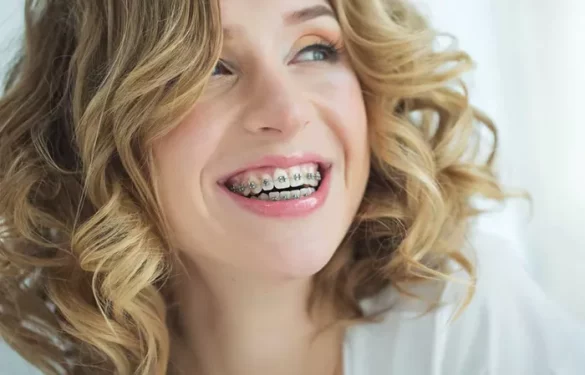
Orthodontic treatment is no longer just for teens. Adults today increasingly seek braces to fix crooked teeth, close gaps, or adjust bite problems. But adult orthodontic care comes with unique concerns. These may include sensitive teeth, gum disease, and a higher demand for aesthetics and comfort. Choosing the right type of braces depends on your oral health, lifestyle, and budget.
Why Adults Choose Braces
Adults seek orthodontic care for many reasons. Some never had braces in their youth. Others notice teeth shifting over time. Braces improve oral function, prevent jaw strain, and enhance appearance. Straighter teeth are easier to clean, reducing the risk of gum disease and tooth decay. Also, proper alignment can help manage issues like temporomandibular joint (TMJ) disorders and headaches.
Common Dental Issues in Adults
Before choosing braces, adults should consider underlying dental conditions. Gum disease is common after the age of 30 and can affect the success of orthodontic treatment. Periodontal therapy may be needed first. Sensitive teeth can make some brace types uncomfortable. Additionally, past dental work like crowns, implants, or bridges may limit treatment options. Always consult an orthodontist and general dentist for a full assessment.
Types of Braces Available for Adults
1. Metal Braces
Metal braces are the traditional option. They involve stainless steel brackets and wires. These braces are highly effective for complex alignment problems. They are durable and usually more affordable than other types. However, they are the most visible and may not appeal to adults concerned with aesthetics. For patients with sensitive teeth, the pressure from metal brackets can cause some discomfort initially.
2. Ceramic Braces
Ceramic braces work like metal braces but use clear or tooth-colored brackets. This makes them less noticeable. They are a good balance between performance and appearance. However, ceramic brackets are more brittle and may stain if not cleaned properly. They may also be slightly bulkier, which can be an issue for those with gum disease or tight oral spaces.
3. Lingual Braces
Lingual braces attach behind the teeth, making them completely invisible from the front. They are ideal for professionals who prioritize discretion. However, they can be difficult to clean and cause more initial discomfort. Lingual braces may not suit patients with sensitive teeth or small dental arches. They are also often more expensive due to customization and complex fitting.
4. Clear Aligners (e.g., Invisalign)
Clear aligners are removable trays made of smooth plastic. Brands like Invisalign are popular among adults. They are almost invisible and allow for easy brushing and flossing. This is ideal for adults prone to gum disease and plaque buildup. Aligners are comfortable and a top choice for those with sensitive teeth. However, they require discipline. You must wear them for 20–22 hours daily. They may not be suitable for severe bite issues.
Comparing Braces: Key Considerations
Effectiveness
Metal braces remain the most effective for complex orthodontic problems. Ceramic and lingual braces are also strong, but clear aligners work best for mild to moderate cases. Adults should choose based on their specific dental needs and orthodontist’s recommendation.
Comfort
Clear aligners win in comfort. They have no wires or brackets, which reduces irritation. Metal and ceramic braces can cause some soreness, especially after adjustments. Lingual braces may cause speech issues or tongue irritation initially.
Aesthetics
If visibility is a concern, clear aligners and lingual braces are best. Ceramic braces offer a subtle appearance but are not fully invisible. Metal braces are the most noticeable, which may not appeal to working professionals or socially active adults.
Oral Hygiene
Adults with gum disease or dental restorations must maintain excellent hygiene. Clear aligners are removable, making oral care easier. Traditional braces can trap food, increasing the risk of decay and gingivitis. Lingual braces are hardest to clean due to their placement.
Cost
- Metal braces: $3,000 – $7,000
- Ceramic braces: $4,000 – $8,000
- Lingual braces: $8,000 – $10,000+
- Clear aligners: $3,000 – $8,000
Prices vary by region and case complexity. Many orthodontists offer payment plans or financing options.
How Gum Disease Affects Your Braces Choice
Gum disease is a leading cause of adult tooth loss. Orthodontic treatment should never begin if active gum disease is present. Inflammation, bone loss, and tissue recession can worsen during treatment if not managed. Once the gums are healthy, braces can actually help reduce the risk of gum problems by straightening teeth and making them easier to clean.
Managing Sensitive Teeth During Braces
Sensitive teeth can result from enamel wear, receding gums, or exposed dentin. Braces may temporarily increase sensitivity due to pressure. Using sensitive toothpaste, avoiding extreme temperatures, and maintaining good oral hygiene can help. Clear aligners are usually the most comfortable option for adults with sensitive teeth.
Best Braces by Lifestyle and Occupation
If you have a customer-facing job or do public speaking, invisible options like clear aligners or lingual braces are ideal. If you’re mostly at home or in informal settings, metal or ceramic braces can be cost-effective. Athletes may benefit from aligners because they are less likely to cause mouth injury.
Which Braces Are Right for You?
There is no one-size-fits-all answer. Each adult has different dental, financial, and lifestyle needs. Here is a quick guide:
- Metal Braces: Best for complex cases, tight budgets.
- Ceramic Braces: Good for moderate issues and better aesthetics.
- Lingual Braces: Great for invisible treatment, but higher cost.
- Clear Aligners: Ideal for mild to moderate issues, comfort, and appearance.
Conclusion
Choosing the best braces as an adult requires a thoughtful approach. Consider your oral health conditions like gum disease or sensitive teeth. Think about how visible you want the braces to be, and what your budget allows. Consult with an experienced orthodontist to find the solution that aligns with your needs.