


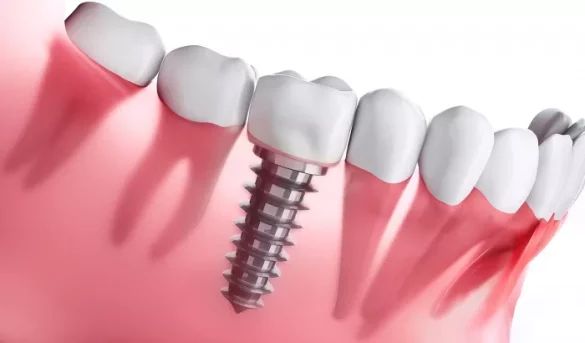
Keystone Dental is a leading oral health care company headquartered in Burlington, Massachusetts, with manufacturing and distribution facilities in Irvine, California. Founded in 1965, it has grown to become the largest independent dental implant company in North America. The company specializes in delivering advanced, easy-to-use dental implants, biomaterials, and digital planning software designed to help dental professionals achieve the most functional and aesthetically pleasing outcomes for patients. Keystone Dental’s mission centers on improving patient treatment and quality of life through breakthrough products that simplify clinical workflows without overengineering. Their commitment extends beyond product sales to include excellent training, service, and collaboration with clinicians worldwide.
Why Choose Keystone Dental?
Choosing Keystone Dental implants means opting for a company that combines decades of experience with cutting-edge innovation. Keystone Dental focuses on simplifying the dental professional’s workload while maintaining the highest standards of care. Their smaller size compared to industry giants allows for greater responsiveness to clinical needs and more entrepreneurial agility. Keystone’s products are backed by extensive research and development, ensuring reliability and clinical excellence. Additionally, the company offers comprehensive training and support, fostering strong partnerships with dental professionals. Their implant systems are designed to be user-friendly, versatile, and adaptable to various clinical situations, making Keystone Dental a trusted choice for implantology.
Types of Keystone Dental Implants and Their Applications
Keystone Dental offers a broad portfolio of implant systems tailored to meet diverse clinical requirements:
GENESIS ACTIVE™ Implant System: Launched after over a decade of research, this system features a single connection, multiple restorative platforms, and three emergence profiles designed to simplify restorative procedures while maintaining clinical efficacy. It represents a significant innovation in implantology aimed at improving efficiency and patient outcomes.
PrimaConnex® and Prima Plus™ Implant Systems: These systems provide reliable solutions for both bone-level and tissue-level implant placements, suitable for various bone anatomies and clinical scenarios.
TILOBEMAXX™: A biomaterial designed to support bone regeneration in conjunction with implant placement, enhancing osseointegration and long-term success.
Mini Dental Implants: Keystone also offers mini implants, which are smaller in diameter and ideal for narrow spaces or for stabilizing full dentures. Mini implants often require less invasive placement techniques and shorter healing times, making them suitable for patients with limited bone volume or those seeking quicker restoration.
Applications of Keystone Dental implants range from single-tooth replacements to full-arch restorations, including support for crowns, bridges, and dentures. Their implants are designed to integrate well with bone tissue, providing stable and long-lasting solutions for missing teeth.
How Much Do Keystone Dental Implants Cost?
The cost of Keystone Dental implants varies depending on several factors:
- Number of teeth being replaced
- Type of implant system used
- Need for additional procedures such as bone grafting or sinus lifts
- Geographic location and provider fees
Generally, dental implants, including those from Keystone Dental, have a higher initial cost compared to traditional tooth replacement methods like bridges or dentures. However, implants often prove more cost-effective over time due to their durability and lower maintenance needs. The total cost is best determined after a thorough examination and consultation with a dental specialist who can tailor the treatment plan to the patient’s specific needs.
Material of Keystone Dental Implants
Keystone Dental implants are primarily made from titanium, a biocompatible metal widely regarded as the gold standard for dental implants. Titanium’s excellent integration with human bone (osseointegration) and its resistance to corrosion make it ideal for long-term implant success. Some Keystone implant systems may also incorporate advanced surface treatments and biomimetic designs to enhance bone healing and implant stability.
Who is a Candidate for Keystone Dental Implants?
Candidates for Keystone Dental implants generally include individuals who:
- Have one or more missing teeth
- Possess adequate jawbone density and volume to support the implant
- Have healthy gums free from periodontal disease
- Are in good overall health without conditions that impair bone healing (e.g., uncontrolled diabetes, certain autoimmune diseases)
- Are non-smokers or willing to quit smoking to improve implant success rates
Patients with insufficient bone may still qualify after bone grafting procedures. Mini implants offer an alternative for patients with narrow spaces or limited bone volume. A comprehensive dental and medical evaluation is essential to determine candidacy and develop a personalized treatment plan.
Clinical Benefits of Keystone Dental Implants
Keystone Dental implants provide numerous clinical advantages:
High Success Rates: Titanium implants have proven biocompatibility and osseointegration, leading to long-term stability and function.
Versatility: Multiple implant designs and sizes accommodate a wide range of clinical scenarios, from single-tooth replacements to full-arch rehabilitations.
Aesthetic Outcomes: Implant systems like GENESIS ACTIVE™ are designed to support natural-looking restorations with optimal emergence profiles, enhancing patient satisfaction.
Simplified Procedures: Keystone’s implant designs and digital planning tools help streamline surgical and restorative workflows, reducing chair time and improving predictability.
Bone Preservation: Implants help maintain jawbone integrity, preventing the bone resorption commonly associated with missing teeth or traditional dentures.
Patient Comfort: Mini implants offer less invasive placement options with quicker recovery, suitable for patients with specific anatomical challenges.
FAQs about Keystone Dental Implants
How long does the implant process take?
The entire process typically spans 3 to 6 months, including implant placement, healing (osseointegration), and final restoration.
Are Keystone Dental implants suitable for all patients?
Most patients who have adequate bone and healthy gums are candidates. Mini implants provide options for those with narrow spaces or limited bone.
How do Keystone implants compare to other brands?
Keystone Dental is known for its innovation, ease of use, and comprehensive product portfolio, making it a competitive choice in implantology.
Is the cost of Keystone implants covered by insurance?
Dental implant procedures are often not fully covered by insurance; coverage varies by plan and provider.
Conclusion
Keystone Dental stands out as a pioneering company in the dental implant industry, offering a wide range of advanced, easy-to-use implant systems and biomaterials designed to improve patient outcomes and simplify clinical workflows. Their commitment to innovation, quality, and responsive service makes Keystone Dental implants a reliable choice for dental professionals seeking versatile and effective solutions. Whether for single-tooth replacement, full-arch rehabilitation, or specialized cases requiring mini implants, Keystone Dental provides products backed by decades of expertise and scientific research. Patients considering dental implants can expect durable, natural-looking results that enhance oral health and quality of life.