


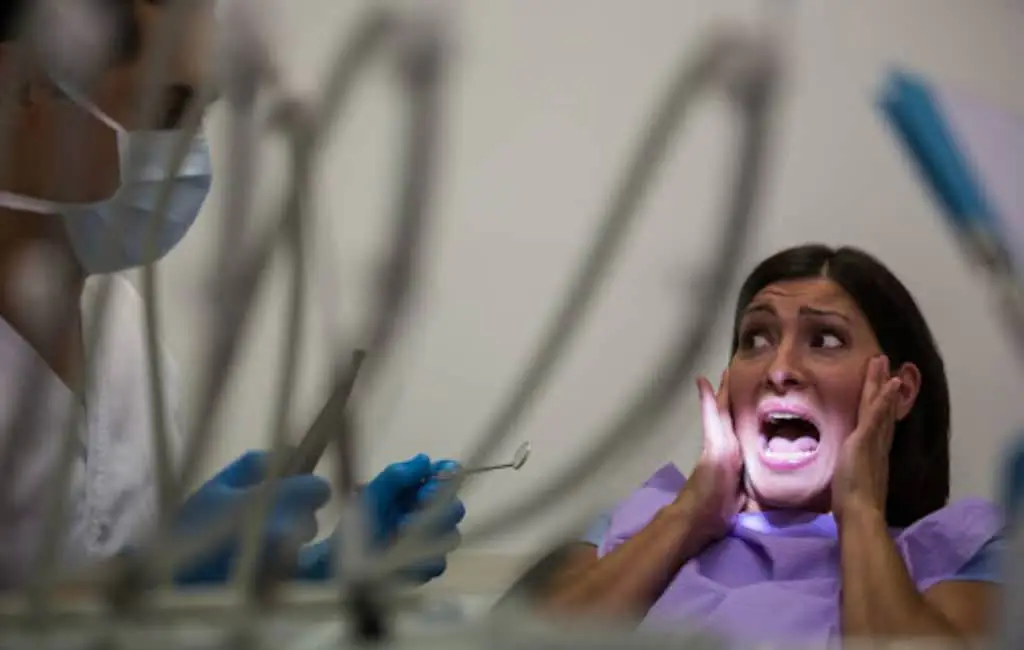
If the thought of a dental visit makes your heart race, you’re not alone. Millions of Americans experience dental anxiety, and this common fear of the dentist can make even a routine checkup feel overwhelming. Unfortunately, avoiding the dentist often leads to poor oral health, worsening pain, and the need for more complex and expensive treatments down the road.
The good news is that you don’t have to let anxiety control your health. In this guide, we’ll explore why dental fear is so common and share practical, dentist-approved strategies to help you feel more comfortable and confident in the dental chair. With the right approach, you can take back control of your oral health.
Why Do So Many People Fear the Dentist?
The fear of going to the dentist often stems from a combination of psychological, physical, and sensory triggers. Understanding the root cause is the first step toward managing it. For many, these feelings can be traced back to:
- Past Negative Experiences: A painful or uncomfortable dental procedure, especially during childhood, can leave a lasting negative impression.
- Fear of Needles or Drills: The sight and sound of dental instruments, particularly needles for anesthesia or the high-pitched whine of a drill, are common sources of anxiety.
- Feelings of Helplessness: Lying back in a dental chair can make you feel vulnerable and not in control of the situation. Embarrassment or shame about the condition of your teeth can also contribute to this feeling.
- Sensory Overload: The clinical smell of a dental office, the bright overhead lights, and the unfamiliar sounds can be overwhelming for people with sensory sensitivities.
These fears are more common than you might think. Studies show that up to 36% of people experience moderate dental anxiety, with a smaller percentage facing a more severe phobia. Recognizing what triggers your fear is a crucial step toward overcoming it.
Signs You Might Have Dental Anxiety
Dental fear manifests in different ways for different people. You might have dental anxiety if you experience any of the following:
- Trouble sleeping the night before a dental appointment.
- A tendency to cancel or skip cleanings and checkups.
- Feeling nervous or tense at the mere thought of dental sounds or smells.
- Physical symptoms like a racing heart, sweating, or feeling faint while at the dentist’s office.
Acknowledging these signs is not a weakness—it’s an act of self-awareness. Once you identify that you have dental anxiety, you can begin to explore effective strategies to manage it.
How Dental Fear Affects Your Health
Putting off dental visits does more than just prolong your anxiety; it has real consequences for your oral and overall health. When you avoid routine care, minor issues can quickly escalate.
Delaying treatment can lead to:
- Progressive tooth decay (cavities)
- Gum disease (gingivitis and periodontitis)
- Painful toothaches and abscesses
- Higher costs for more invasive treatments like root canals or extractions
The impact isn’t just physical. Many people feel a sense of guilt or shame about the state of their oral health, which only reinforces their desire to avoid the dentist. Furthermore, untreated oral infections can have systemic effects, with research linking severe gum disease to conditions affecting heart health.
Expert Tips to Overcome Fear of the Dentist
You can conquer your dental anxiety with a few practical steps. Here’s how to overcome fear of the dentist with a structured, manageable approach.
1. Share Your Fears with Your Dentist
Open communication is your most powerful tool. A compassionate dentist wants to know about your anxieties so they can adjust their approach. Inform the scheduling team when you book your appointment, and remind the dental staff when you arrive. They can explain procedures step-by-step, take breaks when needed, and make your comfort a priority.
2. Bring Distractions
Shifting your focus away from the procedure can work wonders. Bring headphones to listen to calming music, a captivating podcast, or an audiobook. The goal is to block out triggering sounds like the drill and create a more relaxing mental space for yourself.
3. Visit the Office Beforehand
The unknown can be a major source of anxiety. Call the office and ask if you can stop by for a quick tour before your appointment. Familiarizing yourself with the environment—the waiting room, the staff, and even the treatment room—can make the space feel less intimidating on the day of your visit.
4. Practice Relaxation Techniques
Simple mindfulness exercises can significantly lower your body’s stress response. Before and during your appointment, practice deep breathing: inhale slowly through your nose for four counts, hold for four, and exhale slowly through your mouth for six. This technique helps calm your nervous system and gives you a sense of control.
5. Consider Sedation Dentistry
For patients with moderate to severe anxiety, sedation dentistry offers a safe and effective solution. Options range from mild nitrous oxide (“laughing gas”) to oral sedatives that help you feel deeply relaxed. These methods allow you to get the care you need without the stress and fear.
6. Start with Simple Visits
You don’t have to jump into a complex procedure on your first visit back. Start small to rebuild your confidence. Schedule a simple consultation, cleaning, or checkup. Positive experiences, no matter how minor, help retrain your brain to associate the dentist with safety and comfort.
7. Choose a Dentist Who Specializes in Anxiety Care
Look for a dental practice that actively promotes a calm and gentle environment. At Restore Dental, our team is trained to work with anxious patients, ensuring every visit is as comfortable and stress-free as possible.
How Dentists Help Anxious Patients
Modern dentistry has evolved to prioritize patient comfort. At Restore Dental, we’ve helped hundreds of patients overcome their fear of going to the dentist with compassionate, judgment-free care. Here’s how we do it:
- Gentle Communication: We explain every step of the process before we begin and check in with you frequently.
- Comfort Aids: We offer blankets, pillows, and topical numbing gels to make your experience more pleasant.
- Sedation Options: We provide nitrous oxide and oral sedation to help you relax completely.
Our goal is to create a partnership built on trust, where you feel heard, respected, and safe. You can read here more about tips to overcome dental anxiety.
Your Path to a Healthier Smile
Dental fear is common, but it doesn’t have to control your oral health. By taking small, manageable steps and finding a dental team that understands your needs, you can overcome your anxiety and get the care you deserve.
If you’re looking for a gentle, understanding dentist in Kansas City, contact Restore Dental. We specialize in helping patients overcome their fear of the dentist with a calm, comfortable experience and offer personalized sedation dentistry options. Let us help you smile with confidence again.
Frequently Asked Questions
Why do people have a fear of the dentist?
Fear of the dentist often originates from past negative experiences, a fear of pain or needles, feelings of helplessness, or sensory sensitivities to the sights and sounds of a dental office.
How can I overcome fear of going to the dentist?
Start by communicating your fears to your dentist, bringing distractions like music, practicing relaxation techniques, and choosing a dental practice that specializes in anxiety care. Beginning with simple visits like a cleaning can also help build confidence.
Is sedation dentistry safe for anxious patients?
Yes, when administered by a trained professional, sedation dentistry is a safe and effective way for anxious patients to receive dental care. Options like nitrous oxide and oral sedation are commonly used to ensure comfort and relaxation.
What’s the best way to prepare for a dental visit if I’m nervous?
Prepare by practicing deep breathing exercises, arranging to have a friend or family member accompany you, and bringing headphones for a distraction. Visiting the office beforehand can also reduce anxiety.
Can my fear of the dentist get better over time?
Absolutely. With positive experiences and the right coping strategies, many people find their dental anxiety significantly decreases over time. Consistent, comfortable visits help build trust and retrain your brain to view the dentist as a safe place.