


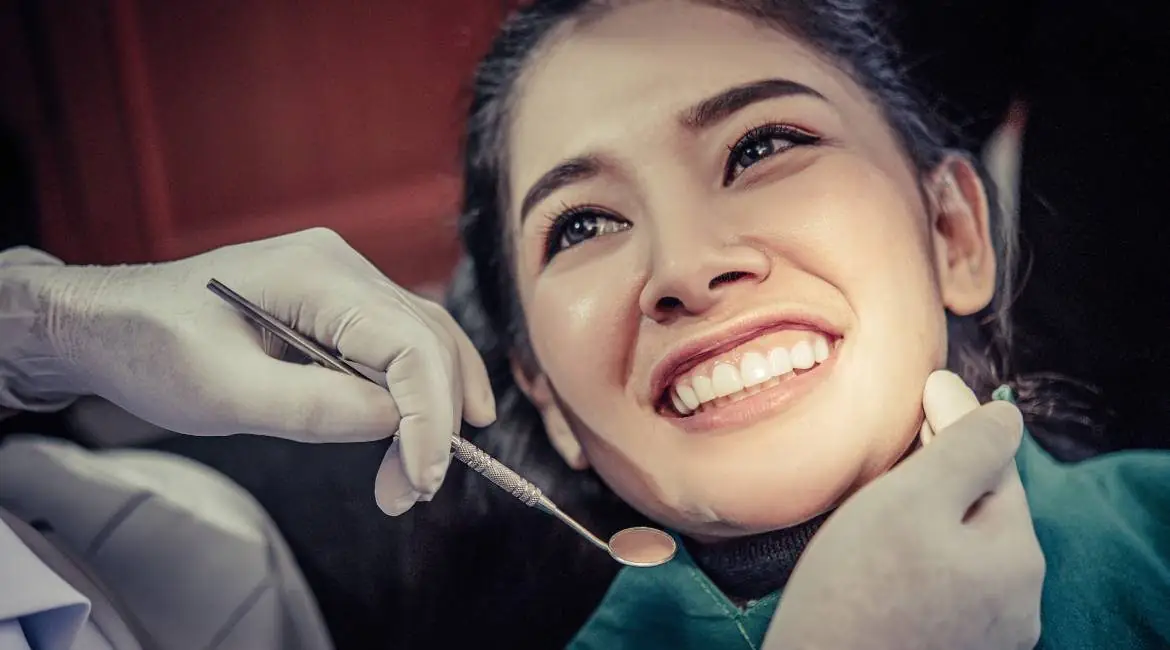
Accidents happen, and when they involve your teeth, they can be both painful and frightening. It’s crucial to know what constitutes a dental emergency and how to handle such situations to minimize damage and discomfort. In this blog post, we’ll explore the different types of dental emergencies, how to respond, and what preventive measures you can take to protect your oral health.
Understanding Dental Emergencies
Dental emergencies can range from severe pain to trauma that affects the teeth and gums. They often require immediate attention to alleviate pain, prevent infection, and save the tooth or teeth involved.
These emergencies should not be ignored, as delaying treatment can result in more severe complications. Knowing what counts as a dental emergency can help you make the right decision quickly.
Common Types of Dental Emergencies
Dental emergencies come in various forms, each requiring specific actions to mitigate further damage. Being aware of the most common types allows you to respond appropriately when they occur.
Severe Tooth Pain
Severe tooth pain is a common dental emergency that can be caused by various issues such as tooth decay, an abscess, or a cracked tooth. Pain can range from a dull ache to sharp, excruciating pain that disrupts daily activities.
When experiencing severe tooth pain, it’s essential to consult your dentist immediately to determine the cause and receive appropriate treatment. Ignoring the pain can lead to more significant problems like infection or tooth loss.
Knocked-Out Tooth
A knocked-out tooth is a true dental emergency that requires immediate action to save the tooth. Time is of the essence; the sooner you act, the better the chances of saving the tooth.
If you or someone else gets a tooth knocked out, pick it up by the crown (the part that’s visible in your mouth) and avoid touching the root. Rinse it gently with water if it’s dirty but don’t scrub it. Try to place the tooth back into the socket if possible, holding it in place with a clean cloth. If you can’t reinsert it, place the tooth in a container of milk or saline solution and get to the dentist immediately.
Broken or Chipped Teeth
Broken or chipped teeth are common during accidents or eating hard foods. Even if breaking a tooth doesn’t cause pain, it’s still important to see a dentist. The sharp edges can cut your mouth, and bacteria can enter the tooth, leading to decay or infection.
Rinse your mouth with warm water and apply a cold compress to reduce swelling. If you can find the broken piece of the tooth, save it and bring it with you to the dentist.
Lost Dental Fillings or Crowns
Losing a filling or crown can be startling and sometimes painful. These components protect the vulnerable parts of your teeth, and their absence can lead to sensitivity or infection.
Keep the affected area clean and avoid chewing on that side of your mouth. Over-the-counter dental cement can offer temporary protection until you can see your dentist.
Uncontrollable Bleeding
Uncontrollable bleeding in the mouth can result from trauma or a dental procedure. If the bleeding doesn’t stop after applying pressure with a clean cloth or gauze for 15 minutes, it’s critical to seek emergency care.
Continued bleeding can indicate a severe injury or medical condition that requires immediate attention to prevent significant blood loss and complications.
Swelling and Abscesses
Swelling in your gums or face can be a sign of an abscess, a severe infection that can spread to other parts of your body if left untreated. Symptoms often include a painful, swollen bump on your gums, fever, and a bad taste in your mouth.
Rinse your mouth with mild salt water and see your dentist as soon as possible. Antibiotics may be necessary to treat the infection and prevent it from spreading.
Non-Emergency Dental Issues
Not all dental issues require immediate attention. Understanding what constitutes a non-emergency can help you manage minor problems at home and avoid unnecessary trips to the dentist.
Minor Toothaches
Minor toothaches can be annoying but are often not emergencies. These can result from food stuck between teeth, mild gum irritation, or sinus pressure.
Rinse your mouth with warm water, floss gently, and use over-the-counter pain relief if needed. If the pain persists or worsens, contact your dentist for an evaluation.
Slight Sensitivity
Sensitivity to hot or cold foods and drinks can be uncomfortable but isn’t usually an emergency. It often results from enamel erosion, gum recession, or recent dental work.
Using toothpaste designed for sensitive teeth and avoiding extreme temperatures in your food and drink can help manage sensitivity. Consult your dentist if the problem continues or intensifies.
Cosmetic Issues
Cosmetic issues, such as slight chips, cracks, or discoloration, usually don’t require immediate attention. These can typically be addressed during a regular dental appointment.
Maintain good oral hygiene and schedule a visit with your dentist to discuss cosmetic treatments and options to enhance your smile.
What to Do in a Dental Emergency?
Knowing how to respond during a dental emergency can make a significant difference in the outcome. Here’s what you should do:
Immediate Steps to Take
Stay calm and assess the situation. Rinse your mouth with warm water, apply a cold compress for swelling, and avoid using the injured area.
If you’re dealing with a knocked-out tooth, broken tooth, or severe pain, contact your dentist immediately. Follow any instructions provided by your dentist or the emergency service.
When to Contact Your Dentist?
Contact your dentist immediately if you experience severe pain, a knocked-out tooth, uncontrollable bleeding, or swelling. Early intervention is key to preventing further damage and complications.
Even if you’re unsure whether your situation is an emergency, it’s better to err on the side of caution and seek professional advice.
Emergency Dental Kit
Having an emergency dental kit at home can be beneficial. Include items such as gauze, a small container with a lid, pain relievers, dental cement, and saline solution.
This kit can help you manage the situation until you can get professional care. Keep it in a readily accessible location and ensure family members know where it is.
Preventing Dental Emergencies
While accidents can’t always be avoided, taking preventive measures can reduce the risk of dental emergencies.
Routine Dental Care
Regular dental check-ups and cleanings are essential for maintaining oral health. Your dentist can identify potential issues before they become emergencies.
Good oral hygiene practices, such as brushing twice a day, flossing daily, and using mouthwash, are also crucial in preventing dental problems.
Protective Measures
Using mouth guards during sports activities and avoiding hard or sticky foods can prevent many dental emergencies. If you grind your teeth at night, consider a night guard to protect your teeth.
Being cautious with your teeth and maintaining good habits can go a long way in keeping them healthy.
Conclusion
Understanding what constitutes a dental emergency and knowing how to respond can make a significant difference in outcomes. Prompt action can save a tooth, alleviate pain, and prevent infections.
Remember to stay calm and follow the steps outlined in this guide. Regular dental check-ups and preventive care can help minimize the risk of emergencies. Should you find yourself in a critical situation, don’t hesitate to contact your dentist in Leawood immediately. For more tips and advice on dental health, feel free to explore our resources or book a consultation with us today.
Frequently Asked Questions
- What should I do if I have a toothache?
If you have a minor toothache, rinse your mouth with warm water, floss gently to remove any trapped food, and use over-the-counter pain relief. If the pain persists, contact your dentist.
- Can I treat a knocked-out tooth at home?
If you knock out a tooth, pick it up by the crown, rinse it gently, and try to reinsert it into the socket. If you can’t, place it in milk or saline solution and seek immediate dental care.
- How can I prevent dental emergencies?
Regular dental check-ups, good oral hygiene practices, and using protective gear during activities can help prevent dental emergencies. Avoid hard or sticky foods to minimize the risk of damage.