


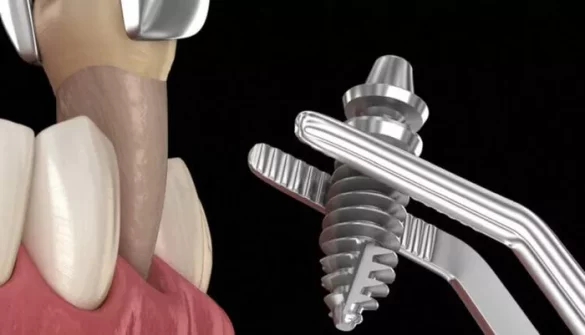
DTI (Dental Technologies Inc.) is a respected dental implant company founded in 2009 in Turkey. Over the years, it has grown to become a recognized name in dental implantology, specializing in innovative implant designs and oral tissue regeneration solutions. Rooted in a collaborative effort among scientists, doctors, and engineers globally, DTI focuses on blending biological principles with modern technology to improve implant success and patient outcomes. The company emphasizes simplicity, predictability, and esthetic results, appealing to clinicians seeking reliable implant systems that can adapt to long-term oral health needs.
Why Choose DTI?
DTI stands out among dental implant brands for several reasons:
Advanced Surface Technology: DTI implants feature a specialized microrough surface designed to support bone-inducing cells and promote faster osseointegration, which ensures a secure and stable bond between the implant and the jawbone.
Innovative Design: Their implants incorporate features like angled neck designs and micro-thread patterns to enhance initial implant stability and maximize bone support.
Wide Range of Options: DTI offers various implant sizes, shapes, and connection types, enabling dentists to customize treatments to individual patient needs.
Affordability: Compared to European and American brands, DTI implants come at a relatively more affordable price without compromising quality.
Quality Manufacturing: The implants are produced with high-end CNC machining and hold international certifications like CE and FDA approvals, ensuring safety and performance.
Strong Clinical Support: DTI provides comprehensive surgical kits, training, and customer assistance, facilitating better clinical outcomes.
For dentists and patients looking for a balance between cutting-edge implant technology and cost-effectiveness, DTI offers an excellent choice.
Types of DTI Implants and Their Applications
DTI’s product portfolio addresses diverse clinical scenarios:
DTI-1 Implant: A bone-level implant featuring an internal hexagon connection with Morse taper for stable prosthetic attachment. This standard implant is suitable for many cases requiring strong osseointegration and reliable function.
Ultra Mini Implants: These are smaller diameter implants that offer solutions for cases with narrow bone availability or for stabilizing dentures, especially beneficial for patients with bone loss due to gum disease.
Angled Neck Implants: Designed to better adapt to cortical bone support, these implants provide enhanced stability and esthetic positioning.
Immediate Loading Implants: Suitable for use in protocols where implants are restored quickly after placement, reducing treatment time and improving patient comfort.
Applications include single-tooth replacement, multiple teeth, and implant-supported dentures. These implants are ideal for patients suffering from missing teeth due to decay, trauma, or gum disease. Additionally, DTI implants help maintain bone quality and facial structure by preventing bone loss after tooth extraction.
How Much Do DTI Dental Implants Cost?
DTI dental implants are generally more affordable than their European or American counterparts. Costs vary depending on factors like geographic location, number of implants, the complexity of the procedure, and additional treatments such as bone grafts. On average, implants from DTI offer a high-quality yet cost-effective solution. Patients should consult with their dental professionals for precise pricing, as fees will include surgery, implant components, and restoration.
It is also important to note that insurance coverage typically does not depend on the implant brand but rather on the procedure itself and the patient’s dental plan.
Material of DTI Dental Implants
DTI dental implants are primarily made of medical-grade titanium, the gold standard material in implantology due to its exceptional biocompatibility, strength, and osseointegration capabilities. Titanium implants allow bone cells to adhere and grow directly on their surfaces, ensuring long-term stability.
The implant surface is further enhanced with specialized microroughness tailored to optimize cell response and bone quality. This biologically driven surface design encourages faster healing and stronger integration with jawbone tissue. Such innovation reduces the risk of implant failure and supports better outcomes for patients, including those with sensitive teeth or compromised oral health.
Who is a Candidate for DTI Dental Implants?
Ideal candidates for DTI dental implants include:
Individuals with missing teeth caused by decay, trauma, or gum disease.
Patients seeking a permanent, stable solution instead of removable dentures.
Those with healthy gums and sufficient jawbone density to support implant placement.
People suffering from unstable or uncomfortable dentures who want implant-supported prosthetics.
Patients aiming to prevent bone loss that often follows tooth loss.
Individuals desiring a natural-looking and functional smile with improved chewing efficiency.
Patients with sensitive teeth often benefit from implants since implants do not involve nerves like natural teeth, eliminating tooth sensitivity in the replaced area. However, those with uncontrolled gum disease or inadequate bone may require treatment before implant eligibility is determined.
Clinical Benefits of DTI Implants
DTI implants provide multiple clinical advantages:
High success rates: Over 95% success in osseointegration when proper protocols and care are followed.
Bone preservation: The implant’s design stimulates the jawbone, preventing resorption and maintaining facial structure.
Improved esthetics: Customizable implants blend naturally with existing teeth, enhancing patients’ smiles.
Stability and durability: Advanced connection types and implant surface design ensure long-term function and resistance to occlusal forces.
Reduced treatment time: Options for immediate loading enable faster restoration in suitable cases.
Comfort: Implant-supported dentures from DTI provide improved stability, reducing gum irritation and discomfort common with traditional dentures.
Versatility: Suitable for a broad range of dental situations, from single tooth replacement to complex restorations.
FAQs
Are DTI implants suitable for patients with gum disease?
Patients must have controlled gum disease before implant placement. DTI implants can then be used to restore missing teeth and improve oral health.
How long do DTI dental implants last?
With good oral hygiene and regular dental visits, DTI implants can last decades, often a lifetime.
Is the implant procedure painful?
Implant placement is a minor surgical procedure often performed under local anesthesia with minimal discomfort.
Conclusion
DTI dental implants represent a modern, biologically focused, and cost-effective solution for tooth replacement. With advanced surface technology, innovative design, and a broad product range, DTI provides effective treatment options for patients with missing teeth, unstable dentures, or who seek to prevent bone loss caused by gum disease. Their titanium implants ensure strength, long-term stability, and natural esthetics, addressing both functional and cosmetic concerns.
Patients with healthy gums and adequate bone density who desire a permanent solution to tooth loss are excellent candidates. Supported by a growing global reputation and strong clinical backing, DTI implants offer dentists and patients a reliable option for achieving lasting oral health and restoring confident smiles. For more information or personalized advice, consulting a dental professional experienced with DTI systems is highly recommended.