


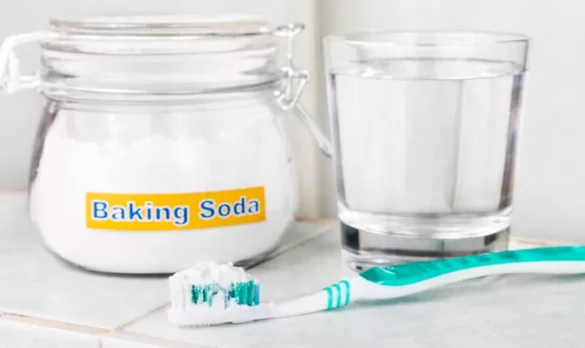
Dental cavities remain one of the most common oral health issues worldwide. People often seek easy and affordable remedies to prevent or even reverse cavities at home. Baking soda, a common household ingredient, is frequently mentioned as a potential natural treatment for cavities. But the question remains: can baking soda get rid of cavities? This article explores the scientific facts about baking soda’s effect on cavities, gum disease, sensitive teeth, and overall oral health.
What Are Cavities?
Cavities, also called dental caries or tooth decay, are areas of permanent damage on the tooth surface caused by acids produced by bacteria in the mouth. These acids dissolve the hard enamel that protects teeth, leading to holes or cavities. Untreated cavities can cause pain, infection, and even tooth loss. Cavities often develop due to poor oral hygiene, frequent sugar consumption, and dry mouth.
How Does Baking Soda Work in Oral Care?
Baking soda, or sodium bicarbonate, is mildly alkaline. When used in the mouth, it can neutralize acids produced by harmful bacteria. This neutralization helps reduce the acidity that causes enamel erosion and cavities. Baking soda also has mild abrasive properties that can help remove surface stains on teeth.
Because of these properties, baking soda is often included in toothpaste formulas or used as a home remedy for oral care. It is affordable, easy to find, and generally safe to use when applied properly.
Can Baking Soda Actually Get Rid of Cavities?
The short answer is: no, baking soda cannot get rid of cavities once they have formed. Cavities are physical holes or decay in the tooth structure that require professional dental treatment to repair. Baking soda can help in the early stages of tooth decay by neutralizing acids and slowing down enamel erosion, but it cannot reverse or heal established cavities.
In other words, baking soda can help prevent cavities by maintaining a less acidic environment in the mouth but cannot restore lost tooth enamel or fill cavities. Professional dental treatments like fillings, crowns, or sealants are needed to fix cavities.
Baking Soda and Gum Disease
Gum disease, or periodontal disease, is an infection and inflammation of the gums caused by plaque buildup. Baking soda can benefit gum health because of its mild antibacterial properties and ability to neutralize acids. Using baking soda toothpaste or rinses may help reduce plaque, soothe gum inflammation, and prevent bad breath.
However, baking soda alone is not enough to treat gum disease. Advanced gum disease requires professional cleaning and treatment. Still, baking soda can be a useful addition to daily oral hygiene to support healthy gums.
Baking Soda and Sensitive Teeth
Sensitive teeth often result from enamel erosion or gum recession, exposing the inner dentin layer. Baking soda’s gentle abrasiveness can help remove stains, but overuse or aggressive brushing with baking soda can actually worsen tooth sensitivity by wearing down enamel further.
Therefore, people with sensitive teeth should use baking soda carefully, ideally mixed with toothpaste or recommended by a dentist, to avoid damaging enamel or irritating gums.
Scientific Studies on Baking Soda and Oral Health
Several studies support the benefits of baking soda in oral care. For example, baking soda toothpaste has been shown to reduce plaque and gingivitis more effectively than some regular toothpastes. Its acid-neutralizing effect helps maintain oral pH balance, creating an environment less favorable for harmful bacteria.
However, no scientific evidence proves that baking soda alone can heal or get rid of cavities. Its preventive properties are valuable, but once tooth decay progresses to a cavity, dental intervention is essential.
How to Use Baking Soda Safely for Oral Care
Mix with toothpaste: Use a small amount of baking soda combined with fluoride toothpaste to balance safety and effectiveness.
Limit frequency: Do not use baking soda more than 2-3 times per week to avoid enamel abrasion.
Avoid vigorous brushing: Gentle brushing prevents enamel wear, especially for sensitive teeth.
Consult your dentist: Before starting any home remedy, ask a dental professional about your specific oral health needs.
Other Effective Ways to Prevent and Manage Cavities
Baking soda can help maintain oral pH, but good dental habits are crucial to prevent cavities:
Brush twice daily with fluoride toothpaste.
Floss daily to remove plaque between teeth.
Limit sugary and acidic foods that promote decay.
Visit your dentist regularly for check-ups and cleanings.
Consider dental sealants to protect vulnerable tooth surfaces.
Use fluoride treatments when recommended.
When to See a Dentist
If you notice symptoms like tooth pain, sensitivity, visible holes, or gum bleeding, baking soda alone will not solve the problem. You should see a dentist promptly. Early cavities may be treated with fluoride or other preventive care, but established decay often needs fillings or other restorations.
Conclusion
Baking soda is a helpful tool in oral hygiene for its acid-neutralizing and mild abrasive effects. It can support prevention of cavities and improve gum health when used properly. However, baking soda cannot get rid of cavities once they have formed. Professional dental treatment is required to repair tooth decay.
To maintain a healthy smile, combine proper brushing, flossing, professional care, and a balanced diet. If you have sensitive teeth or gum disease, discuss safe use of baking soda and other products with your dentist.