


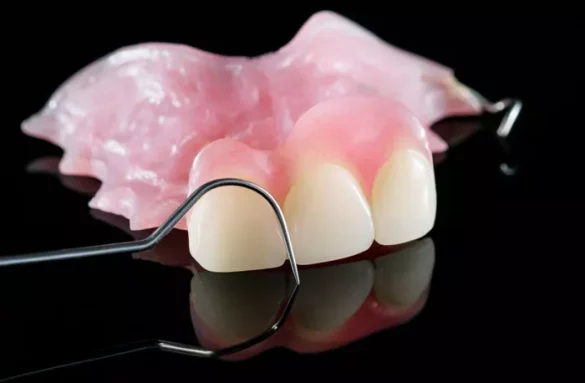
Partial dentures are custom-made dental appliances designed to replace missing teeth. They restore both functionality and aesthetics. Unlike full dentures, which replace an entire arch, partial dentures are suitable when some natural teeth remain. They are essential for maintaining oral structure and preventing shifting of remaining teeth.
People turn to partial dentures for many reasons, including injury, gum disease, or age-related tooth loss. The type of partial denture that’s best depends on several factors such as budget, oral health, sensitivity, and personal preferences.
Main Goals of Partial Dentures
- Replace missing teeth
- Improve chewing and speech
- Prevent shifting of remaining teeth
- Restore natural facial appearance
- Support oral health and reduce gum stress
Types of Partial Dentures
1. Cast Metal Partial Dentures
Cast metal partial dentures are one of the most common and durable options available. These dentures use a metal framework made of cobalt-chromium alloy. The false teeth are attached to the framework with acrylic or resin.
Pros:
- Highly durable and long-lasting
- Less bulky and more comfortable
- Firm grip on natural teeth
Cons:
- More expensive than acrylic dentures
- Visible metal clasps may affect aesthetics
Cast metal partials are excellent for patients with good oral hygiene and no active gum disease. They also reduce the pressure on gums, which helps if you have sensitive teeth.
2. Acrylic Partial Dentures
These are made of pink acrylic that mimics the gums and supports artificial teeth. Acrylic partials are often a temporary solution.
Pros:
- Affordable
- Easy to adjust and repair
- Good as an interim denture
Cons:
- Bulkier and less comfortable
- Less durable
- Can stress surrounding teeth and gums
Acrylic dentures are better for patients who are still undergoing treatment for gum disease or waiting for implants. Because they may cause irritation, they’re not ideal for patients with sensitive teeth.
3. Flexible Partial Dentures
Flexible dentures are made from thermoplastic nylon. They are lightweight and bend easily, which makes them more comfortable than rigid dentures.
Pros:
- More aesthetic (no metal)
- Flexible and comfortable
- Suitable for people allergic to metal
Cons:
- More prone to breakage over time
- Harder to repair
- May not provide a tight fit over time
Flexible partials are ideal for patients with sensitive teeth and for those who prioritize comfort. However, they may not be suitable for people with active gum disease.
4. Implant-Supported Partial Dentures
These are advanced partial dentures supported by dental implants. The dentures snap onto implants placed in the jawbone.
Pros:
- Highly stable and secure
- Preserve jawbone health
- Most natural feel and function
Cons:
- Very costly
- Require surgical procedures
- Not suitable for all patients
Implant-supported dentures are best for people with sufficient bone density and no active gum disease. They are not recommended for those with sensitive teeth who are not good surgical candidates.
5. Precision Attachment Partial Dentures
This type uses attachments hidden inside crowns on natural teeth, providing a very aesthetic and snug fit.
Pros:
- Excellent aesthetics (no visible clasps)
- Very secure fit
Cons:
- Costly and complex
- Require alteration of existing teeth
This option is good for individuals concerned about appearance and comfort, but may not be advisable for those with gum disease or sensitive teeth unless those conditions are managed first.
How to Choose the Best Partial Denture
The best partial denture depends on your specific oral health situation. Here are a few key considerations:
Gum Disease: If you have active periodontitis, you may need a temporary solution like acrylic dentures until it’s treated.
Sensitive Teeth: Flexible dentures are a better choice since they are less abrasive.
Budget: Acrylic and flexible dentures are more affordable, while implants and metal frameworks are costly but durable.
Aesthetics: Flexible and precision attachment dentures offer superior appearance without visible clasps.
Durability: Cast metal dentures and implant-supported partials offer long-term reliability.
Advantages of Using Partial Dentures
- Restore natural smile and facial structure
- Improve speech clarity and chewing function
- Prevent the shifting of natural teeth
- Cost-effective alternative to full dentures and implants
- Can help relieve pressure on sensitive teeth
Risks and Maintenance Tips
Without proper care, partial dentures can lead to further dental issues.
Risks:
- Oral sores due to improper fit
- Increased risk of gum disease if not cleaned properly
- Tooth decay in remaining teeth
Maintenance Tips:
- Clean dentures daily with a denture brush and non-abrasive cleaner
- Rinse after meals
- Soak overnight in a denture solution
- Visit your dentist regularly for adjustments
When to Replace or Upgrade Your Dentures
Dentures don’t last forever. Most partials need to be replaced every 5 to 10 years, depending on the material and how well you maintain them. Signs you may need a replacement include:
- Pain or irritation in the mouth
- Loose or unstable fit
- Broken clasps or worn teeth
Consulting with Your Dentist
Your dentist will evaluate your oral health, bone density, and dental goals. A comprehensive examination ensures the chosen partial denture supports your overall dental wellness. It’s especially important to address any gum disease or sensitive teeth before finalizing your denture choice.
Conclusion
There is no one-size-fits-all answer for the best type of partial denture. Each type—metal, acrylic, flexible, implant-supported, and precision attachment—has its pros and cons. Your unique dental condition, especially if you suffer from gum disease or sensitive teeth, will guide the final decision.
By working closely with your dentist and understanding your own needs, you can choose a partial denture that enhances your smile, supports your health, and restores your confidence.