


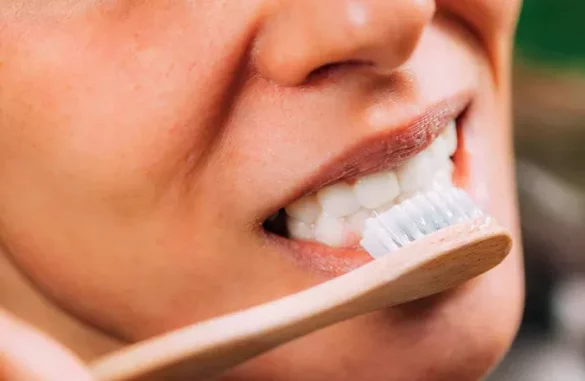
Many people want a bright, white smile. Teeth whitening is one of the most popular cosmetic dental treatments. But a common question is whether it is better to whiten teeth at home or through a dentist. Both methods have advantages and disadvantages. Understanding these differences helps you choose the safest and most effective option. This article discusses the key points of home whitening and professional dental whitening. It also explains important dental health terms such as gum disease and sensitive teeth.
What Is Teeth Whitening?
Teeth whitening is a process that lightens the color of your teeth. It removes stains caused by food, drink, smoking, or aging. Whitening can be done using bleaching agents like hydrogen peroxide or carbamide peroxide. These agents break down stains and make teeth look brighter. Teeth whitening is mainly cosmetic but can boost confidence and improve appearance.
Types of Teeth Whitening
Professional Whitening by a Dentist
Professional whitening is done in a dental office by a trained dentist or dental hygienist. It often uses stronger bleaching agents than home kits. Dentists may use light or laser to speed up the whitening process. The procedure usually takes one or two sessions, each lasting about 30 to 60 minutes.
At-Home Whitening
At-home whitening includes over-the-counter (OTC) products and dentist-provided kits for home use. OTC products include whitening toothpaste, strips, gels, and rinses. Dentist-provided kits may include custom-fitted trays and bleaching gels to use over days or weeks. At-home whitening generally uses lower concentrations of bleaching agents than professional treatment.
Effectiveness of Home Whitening vs. Dentist Whitening
Results from Professional Whitening
Professional whitening usually delivers faster and more dramatic results. The higher concentration of bleaching agents and controlled application help whiten teeth more evenly and effectively. Dentists can adjust treatment to your needs and monitor any side effects such as sensitive teeth. In-office whitening may lighten teeth by several shades in a single visit.
Results from Home Whitening
Home whitening can be effective but usually requires longer treatment time. Results are often less dramatic than professional treatment. Over-the-counter products may only lighten teeth by one or two shades. Custom trays from your dentist offer better results than OTC kits but still take days or weeks to show significant change. Consistency and following instructions are key for success.
Safety Considerations
Professional Whitening Safety
Whitening done by a dentist is generally very safe. Dentists evaluate your oral health before treatment. They check for issues like gum disease or tooth decay that could worsen with whitening. They also protect your gums and soft tissues from bleaching agents. Dentists monitor sensitivity and stop treatment if needed.
Safety of Home Whitening
Home whitening products are usually safe if used as directed. However, misuse or overuse can cause damage. Whitening too often or using strong agents without professional guidance can lead to sensitive teeth, gum irritation, or uneven whitening. Some OTC products may not fit properly and allow bleach to touch gums, increasing risk of irritation.
Cost Comparison
Professional Whitening Costs
Professional whitening is more expensive. Costs can range from $300 to $1,000 depending on the method and location. The higher price reflects the stronger agents used, professional care, and faster results.
Home Whitening Costs
Home whitening is much cheaper. OTC kits can cost between $20 and $100. Dentist-provided home kits usually cost more but still less than in-office treatment. Though cheaper, home whitening may require repeated purchases for maintenance.
Convenience and Time
Professional Whitening Convenience
In-office whitening requires visiting the dentist. The procedure takes about one or two hours but achieves quick results. It is ideal for people with busy schedules who want fast whitening.
Home Whitening Convenience
Home whitening allows you to whiten at your own pace and time. It fits well into daily routines but requires discipline. Treatment may last from several days to a few weeks.
Who Should Avoid Teeth Whitening?
Not everyone is a good candidate for teeth whitening. People with active gum disease, tooth decay, worn enamel, or dental restorations should consult a dentist first. Whitening does not work on crowns, fillings, or veneers. Pregnant or breastfeeding women should also avoid whitening treatments until advised by a professional. If you have sensitive teeth, professional whitening with protective measures is safer than home bleaching.
Potential Side Effects
Sensitive Teeth
One common side effect of whitening is increased tooth sensitivity. This happens because bleaching agents penetrate enamel and irritate the nerves inside teeth. Sensitivity is usually temporary but can be uncomfortable. Professional treatments include desensitizing agents to reduce this effect.
Gum Irritation
If bleaching agents contact gums, they can cause redness and soreness. Professional whitening uses barriers to protect gums. Improper use of home kits increases risk of gum irritation.
Maintaining Whitened Teeth
Whitening is not permanent. Teeth can become stained again from coffee, tea, tobacco, and some foods. Good oral hygiene, regular dental checkups, and avoiding stain-causing habits help maintain results. Using whitening toothpaste or occasional touch-up kits at home can prolong whitening effects.
Which Is Better, Home or Dentist Whitening?
Both home and professional whitening have pros and cons. Dentist whitening is faster, safer for sensitive teeth, and more effective. It is best for people who want quick and dramatic results or have oral health concerns. Home whitening is cheaper and convenient but slower and less predictable. It suits people with minor stains, good oral health, and patience.
Before deciding, it is important to consult a dental professional. They can evaluate your oral health, discuss your goals, and recommend the best whitening method for you. Remember to consider the risks of gum disease and sensitive teeth when choosing a whitening option.
Additional Tips for Safe Teeth Whitening
- Always follow product instructions carefully.
- Do not overuse whitening products to avoid enamel damage.
- Use toothpaste for sensitive teeth if you experience discomfort.
- Keep regular dental visits to monitor oral health.
- Avoid acidic or highly pigmented foods soon after whitening.
Conclusion
Teeth whitening can enhance your smile and confidence. Whether you choose home whitening or professional treatment depends on your needs, budget, and oral health. Professional whitening by a dentist offers safety, speed, and effectiveness.
Home whitening offers affordability and convenience. Consulting a dental care professional before starting whitening is the best way to protect your teeth and gums from harm while achieving a brighter smile.