


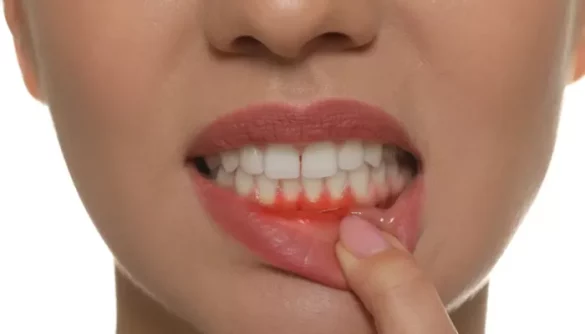
Red inflamed gums are a common dental concern that many people face. They often indicate an underlying oral health problem. This condition can cause discomfort, sensitivity, and sometimes bleeding. Understanding what causes red inflamed gums is crucial to maintaining healthy teeth and gums. This article will explain the main causes and how they relate to dental health issues such as gum disease and sensitive teeth.
What Are Red Inflamed Gums?
Red inflamed gums appear swollen, tender, and often bleed easily. This redness results from increased blood flow to the gum tissues due to irritation or infection. Healthy gums are typically pale pink and firm. When gums become inflamed, they change in color and texture, signaling a problem. This inflammation is usually a protective response by the body to harmful stimuli.
Primary Causes of Red Inflamed Gums
1. Gingivitis: The Earliest Stage of Gum Disease
Gingivitis is the most common cause of red inflamed gums. It is the first stage of gum disease. Gingivitis occurs when plaque, a sticky film of bacteria, builds up on teeth near the gum line. If plaque is not removed by proper brushing and flossing, it causes irritation and inflammation of the gums.
Common symptoms of gingivitis include:
- Red and swollen gums
- Bleeding while brushing or flossing
- Bad breath
At this stage, gingivitis is reversible with good oral hygiene and professional dental cleaning.
2. Periodontitis: Advanced Gum Disease
If gingivitis is left untreated, it can progress into periodontitis. This is a more serious form of gum disease that affects the bone and tissues supporting the teeth. Periodontitis causes persistent inflammation, which can lead to gum recession, loose teeth, and even tooth loss.
Signs of periodontitis include:
- Red, inflamed, and tender gums
- Gums that pull away from teeth (gum recession)
- Formation of deep pockets between gums and teeth
- Persistent bad breath or bad taste in the mouth
Treatment for periodontitis may involve deep cleaning, medication, and sometimes surgery.
3. Poor Oral Hygiene
Inadequate brushing and flossing habits allow plaque and bacteria to accumulate on the teeth and gums. This causes irritation and inflammation, leading to red gums. Even people with sensitive teeth must maintain careful cleaning to prevent gum problems.
Effective oral hygiene includes:
- Brushing twice daily with fluoride toothpaste
- Flossing daily to remove plaque between teeth
- Using an antiseptic mouthwash if recommended
- Regular dental checkups and cleanings
4. Dental Plaque and Tartar Buildup
Dental plaque is the soft, sticky film that constantly forms on teeth. When plaque hardens, it turns into tartar (calculus), which can only be removed by a dentist. Both plaque and tartar harbor bacteria that irritate gums, causing redness and inflammation.
Removing tartar requires professional cleaning to prevent or treat gum inflammation and reduce the risk of gum disease.
5. Hormonal Changes
Hormonal fluctuations during puberty, pregnancy, menstruation, and menopause can increase gum sensitivity. These changes make gums more prone to inflammation and bleeding, even with normal plaque levels.
Pregnancy gingivitis is a common example, where gums appear red and swollen due to increased hormone levels.
6. Smoking and Tobacco Use
Smoking affects the immune system and reduces blood flow to the gums. This impairs healing and increases the risk of gum disease. Although smokers may have less visible gum redness due to restricted blood flow, their gums are often more inflamed and damaged underneath.
7. Nutritional Deficiencies
Deficiencies in vitamins such as vitamin C and vitamin D can impair gum health. Vitamin C is important for collagen formation and tissue repair, while vitamin D helps with immune response. A lack of these nutrients can make gums weaker and more prone to inflammation and bleeding.
8. Ill-fitting Dental Appliances
Braces, dentures, or crowns that do not fit well can irritate the gums. Constant rubbing or pressure may cause localized redness and swelling. Proper fitting and adjustment by a dental professional can prevent gum irritation.
9. Allergic Reactions
Some people may develop allergic reactions to dental materials, toothpaste ingredients, or mouth rinses. These reactions can cause redness, swelling, and discomfort in the gums.
10. Medical Conditions and Medications
Certain diseases like diabetes and immune disorders can affect gum health. Diabetes reduces the body’s ability to fight infections, increasing the risk of gum disease. Medications such as anticonvulsants, immunosuppressants, and calcium channel blockers may also cause gum swelling and redness as side effects.
Relationship Between Red Inflamed Gums and Sensitive Teeth
Red inflamed gums often expose more of the tooth root or create gum recession. This can lead to increased tooth sensitivity. Exposed dentin, the layer beneath the enamel, reacts to hot, cold, sweet, or acidic stimuli. Managing gum inflammation is important to reduce sensitivity and improve overall dental comfort.
How to Prevent Red Inflamed Gums
Prevention focuses on maintaining excellent oral hygiene and regular dental care. Key tips include:
- Brush teeth gently but thoroughly twice daily
- Floss daily to remove plaque between teeth
- Visit your dentist regularly for professional cleanings
- Avoid tobacco products
- Eat a balanced diet rich in vitamins
- Use dental products suited for sensitive teeth if needed
Treatment Options for Red Inflamed Gums
Treatment depends on the cause and severity of the inflammation:
Mild Gingivitis: Improved oral hygiene and professional cleaning
Advanced Gum Disease: Scaling and root planing (deep cleaning), antibiotics, and possibly surgery
Sensitivity Management: Desensitizing toothpaste and treatments for exposed roots
Medical Causes: Managing underlying conditions and reviewing medications with your doctor
When to See a Dentist
If you notice persistent redness, swelling, or bleeding in your gums, it is important to seek dental advice. Early diagnosis and treatment can prevent serious damage. Immediate dental care is especially needed if you experience:
- Severe pain
- Loose teeth
- Pus or bad odor from gums
- Gum recession or changes in bite
Conclusion
Red inflamed gums are a sign that your oral health needs attention. The most common cause is gum disease, but other factors like hormonal changes, poor oral hygiene, smoking, and nutritional deficiencies can also contribute. Maintaining good dental care habits and regular dental visits are key to preventing and managing gum inflammation. Addressing red inflamed gums early helps protect your teeth and reduces the risk of sensitive teeth and other complications.