


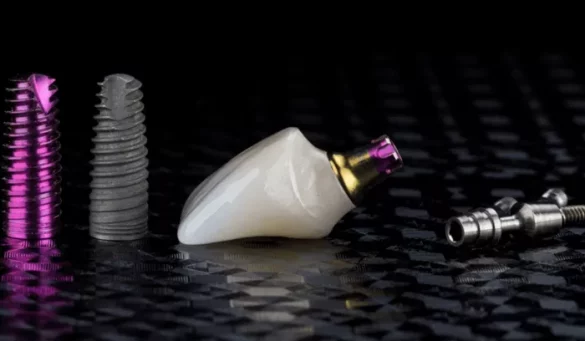
INICELL represents an innovative leap in dental implant technology, specifically designed to enhance osseointegration and clinical outcomes. Developed by Thommen Medical, the INICELL implant surface is not just a brand but a comprehensive solution for tooth replacement, even in challenging cases such as gum disease or sensitive teeth.
INICELL is recognized for its hydrophilic (water-attracting) properties, which are intended to accelerate the initial healing process by promoting bone cell attachment. This can lead to faster osseointegration, essential for the long-term stability of dental implants. Whether you are missing a single tooth, several teeth, or require a full-mouth restoration, INICELL implants are designed to meet a variety of clinical needs.
Why Choose INICELL?
There are several compelling reasons both dental professionals and patients might select INICELL for their dental implant needs:
Superior Osseointegration: The INICELL surface undergoes a process that increases hydrophilicity, boosting blood and protein adherence, essential for bone healing and stability.
Predictable Clinical Outcomes: Studies consistently show high survival rates for INICELL implants, even in patients with risk factors such as gum disease or poor bone quality.
Reduced Healing Time: Thanks to its unique surface treatment, INICELL often allows for reduced healing times and even earlier loading (placing the prosthesis on the implant).
Minimized Risk of Implant Failure: The properties of the INICELL surface help combat factors that often lead to implant failure, such as peri-implantitis (inflammatory reactions around the implant).
Versatility: INICELL supports a range of implant designs and sizes, making it suitable for nearly all restoration requirements.
For patients with sensitive teeth, especially those seeking a tooth replacement that closely mimics the natural tooth structure, INICELL offers a less invasive and more adaptive approach, minimizing discomfort during and after the procedure.
Types of INICELL Implants and Their Applications
INICELL is not a single implant model but a family of implants featuring the advanced surface technology. Below are the major types commonly found in the Thommen Medical portfolio with INICELL surface treatment:
| INICELL Implant Type | Description | Best Application |
| Element INICELL | Cylindrical and tapered options with platform switching | Single or multiple tooth replacement; ideal for most bone types |
| Short INICELL | Reduced length for areas with limited vertical bone | Posterior (back) regions, especially in patients with bone loss |
| Narrow INICELL | Smaller diameter for narrow ridge situations | Replacement of lower front teeth, narrow gaps, or where preserving bone is critical |
| Wide Platform INICELL | Larger diameter for high-load bearing or esthetic zones | Molar replacements, full-arch restorations |
Each implant design benefits from the INICELL surface, making them adaptable to complex scenarios such as cases involving previous gum disease, bone grafts, or immediate placement after tooth extraction.
How Much Do INICELL Dental Implants Cost?
The cost of INICELL dental implants varies depending on several factors:
Geographic Region: Costs may differ between clinics and countries due to market pricing and regulations.
Extent of Treatment Needed: A single implant is less expensive than full-arch or “All-on-4” restorations.
Additional Procedures: Bone grafting, sinus lifts, and gum treatments can increase the total fee.
Prosthetic Components: The final restoration (crown, bridge, or denture) contributes to the total price.
As of 2024, the average price per INICELL dental implant (including implant surgery, abutment, and crown) generally ranges from $3,000 to $6,000 per tooth in the US and Europe. Complex, multi-implant cases or those requiring advanced bone or soft tissue grafting can cost considerably more per site. However, these figures are estimates, and it’s vital to consult your dental specialist for an individualized quote.
Investing in INICELL implants often results in significant long-term savings, as they reduce the likelihood of complications caused by gum disease or poor integration, which could require costly revisions.
Material of INICELL Dental Implants
INICELL dental implants are manufactured from high-purity medical-grade titanium, one of the most biocompatible materials used in dental medicine. Titanium’s physical and chemical properties—strength, lightness, and resistance to corrosion—make it the optimal choice for long-term dental restorations.
The key differentiator with INICELL is the specialized surface treatment applied to the titanium, which creates a nano-rough, highly hydrophilic surface. This modification is not about adding any coating but about activating the implant immediately before insertion, thus maximizing wetting and protein absorption. This promotes more rapid bone healing and reduces the risks associated with traditional implant surfaces, which can sometimes harbor biofilm and bacteria, leading to sensitive teeth or peri-implantitis.
Patients with titanium allergies are rare, but alternative materials such as zirconia may be discussed with a specialist if needed.
Who Is a Candidate for INICELL Dental Implants?
Most adults who have lost one or more teeth due to trauma, decay, or gum disease can be considered candidates for INICELL dental implants. Here are common inclusion and exclusion criteria:
Good Candidates:
Adults with fully developed jawbones.
Patients with adequate bone quantity or willing to undergo grafting.
Individuals with controlled gum disease or a history of periodontal therapy.
Patients seeking fixed, long-lasting tooth replacements over removable dentures.
People with sensitive teeth who want natural-like function.
Potential Contraindications:
Active, uncontrolled gum disease or untreated peri-implantitis.
Uncontrolled diabetes, immune disorders, or medications impacting bone healing.
Heavy smokers (increased risk of complications).
Inadequate bone volume and unwillingness for grafting.
Severe bruxism (teeth grinding) without management.
The hydrophilic surface of INICELL makes it particularly effective for those with risk factors—such as reduced bone density or previous failed implants—since it supports faster and more reliable integration.
Clinical Benefits of INICELL Implants
Accelerated Osseointegration: The INICELL surface leads to faster bone-to-implant contact, which can reduce the healing time before loading and enhance primary stability.
High Survival Rates: Clinical studies report survival rates well above 96% several years after placement, including in patients at higher risk due to gum disease or bone loss.
Reduced Peri-implantitis Risk: The clean, activated, and hydrophilic surface partially resists bacterial contamination, a major concern in implantology, especially when treating patients with a history of gum disease.
Lower Inflammation and Improved Healing: Clinical reports indicate less post-surgical inflammation and reduced discomfort, which is critical for patients with sensitive teeth or soft tissue.
Flexibility Across Complex Cases: The broad range offered by the INICELL portfolio allows for placement in situations involving bone grafts, immediate implantations, and regions with poor bone quality where traditional implants may not work as well.
Long-Term Function and Esthetics: Not only are INICELL implants designed for function and longevity, but their high stability often supports better esthetic outcomes, especially in visible areas.
FAQs
Are there any risks of allergic reactions to INICELL implants?
Allergic reactions to titanium implants are extremely rare. If you have known metal sensitivities, discuss alternative materials with your clinician.
Can people with sensitive teeth benefit from INICELL implants?
Yes, INICELL implants often reduce post-surgery sensitivity, with a surface that encourages gentle tissue adaptation.
Does gum disease always prevent implant placement?
Active gum disease must be treated before implant surgery, but INICELL’s technology offers better outcomes even for those with a history of periodontal issues.
How long do INICELL dental implants last?
With good oral hygiene and routine dental visits, INICELL implants can last many decades.
Conclusion
INICELL dental implants by Thommen Medical offer a state-of-the-art solution for both straightforward and complex tooth replacement needs. With their hydrophilic, nano-roughened titanium surface, INICELL implants accelerate healing, foster primary stability, and allow for predictable, long-lasting results—even in patients with a background of gum disease or sensitive teeth.
If you are considering dental implants, consulting with a specialist about INICELL could be the key to restoring your smile, function, and oral health for the long term. Their versatility, advanced material science, and excellent clinical track record make them a trusted choice among dental professionals worldwide.