


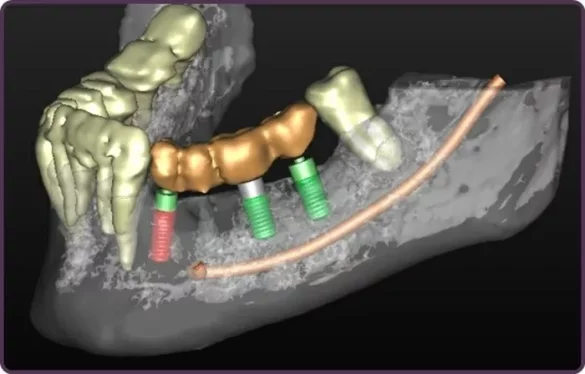
Dental implants have become the gold standard in tooth replacement. Among the various systems available, Simplant stands out as a highly advanced, computer-guided implant planning and placement system. Created by Dentsply Sirona, Simplant is not just a dental implant brand—it is a complete solution that uses digital imaging, software precision, and pre-planned surgery to ensure accurate results.
Simplant technology enables clinicians to visualize the anatomy of the jaw in 3D. It also helps in placing implants with minimal guesswork, even in complex cases. With over 25 years of clinical development, Simplant has grown into one of the most trusted systems in the implant dentistry industry.
In this article, we will explore the features, benefits, applications, and costs of Simplant dental implants. You will also learn whether you are a candidate and how these implants can improve your oral health—especially if you have issues like gum disease or sensitive teeth.
Why Choose Simplant?
1. Precision and Predictability
Simplant uses digital planning tools and CBCT scans to offer unparalleled accuracy. Dentists can plan the implant’s angle, position, and depth before the actual surgery. This pre-planning reduces risks and increases success rates.
2. Minimally Invasive Surgery
Because of its digital precision, Simplant allows for flapless or minimally invasive implant placement. This means less pain, reduced swelling, and faster healing, especially beneficial for patients with sensitive teeth or underlying conditions.
3. Customized for Every Patient
Each Simplant guide is custom-made based on your jaw anatomy. It offers a tailored solution for both single-tooth and full-arch restorations.
4. Reduced Chair Time
Patients benefit from shorter treatment times. Appointments are streamlined due to comprehensive digital planning.
Types of Simplant Implants and Their Applications
While Simplant is often misunderstood as just an implant brand, it’s more accurate to describe it as a surgical planning system that works with various implant brands and components. That said, Simplant does offer its own guided surgery kits compatible with popular implant systems such as Ankylos, Astra Tech, and Xive—all from Dentsply Sirona.
1. Simplant for Single-Tooth Implants
Ideal for patients missing just one tooth, Simplant offers digital mapping to ensure the replacement is in line with the natural dentition. The precise positioning also helps avoid sinus or nerve complications.
2. Simplant for Full-Arch Reconstructions
For edentulous (toothless) patients, Simplant supports All-on-4 or All-on-6 implant techniques. These are great for patients with previous gum disease who have lost multiple teeth.
3. Simplant for Immediate Implants
With its high-resolution 3D imaging, Simplant allows clinicians to plan and place implants immediately after extraction. This is known as immediate loading, which saves time and improves esthetics.
4. Simplant for Complex Cases
Patients with bone loss, crooked teeth, or compromised oral health benefit from Simplant’s detailed diagnostics. The software helps dentists avoid vital anatomical structures and achieve optimal outcomes.
How Much Do Simplant Dental Implants Cost?
The cost of Simplant dental implants varies based on several factors:
| Service Component | Estimated Cost (USD) |
| Diagnostic Imaging (CBCT, X-ray) | $200 – $500 |
| Simplant Surgical Guide | $300 – $800 |
| Implant Fixture (Per Tooth) | $1,000 – $2,500 |
| Abutment and Crown | $1,000 – $2,000 |
| Full-Arch Reconstruction (All-on-4/6) | $15,000 – $30,000 per arch |
On average, a single Simplant-guided implant procedure may cost between $3,000 and $5,000, depending on location and complexity. Full-mouth treatments are significantly higher due to the number of implants and surgical steps involved.
While Simplant procedures may cost slightly more upfront, their long-term success, fewer complications, and reduced recovery time make them more cost-effective in the long run.
Material of Simplant Dental Implants
Simplant’s role is in guiding the surgery, but the actual implants used (such as Astra Tech or Ankylos) are made from titanium or titanium alloys. These materials are:
Biocompatible: Safe for integration with jawbone.
Durable: Long-lasting and resistant to fractures.
Corrosion-Resistant: Especially important for patients with acidic saliva or periodontal disease.
Lightweight: Reduces jaw stress and discomfort.
Some systems compatible with Simplant also offer zirconia implants for patients seeking a metal-free solution, especially those with metal allergies or high esthetic needs in the front of the mouth.
Who Is A Candidate for Simplant Dental Implants?
Simplant implants are suitable for most adult patients, but certain conditions make you an ideal candidate:
Ideal Candidates:
- Missing one or more teeth
- Good oral hygiene and healthy gums
- Sufficient jawbone density
- Non-smoker or willing to quit during healing
- No uncontrolled chronic illnesses (e.g., diabetes)
Cautionary Conditions:
Active gum disease: Needs treatment before implant placement.
Sensitive teeth and gums: Simplant’s precision helps minimize trauma, making it suitable for sensitive patients.
Bone loss: May require bone grafting before placement.
Your dentist will conduct a full clinical examination, including digital imaging, to determine your eligibility.
Clinical Benefits of Simplant Implants
Simplant implants offer numerous clinical advantages that make them superior to many conventional implant techniques.
1. Higher Accuracy and Safety
With 3D-guided placement, the margin of error is significantly reduced. This is critical in avoiding sinus cavities, nerves, and blood vessels.
2. Lower Risk of Infection
Due to minimal surgical exposure and reduced tissue trauma, the chance of post-operative infection is lower. This is particularly important for people recovering from periodontal disease.
3. Faster Recovery
Flapless surgery allows for reduced bleeding, swelling, and faster healing—perfect for those with sensitive teeth or low pain tolerance.
4. Long-Term Success
Implants placed with Simplant have higher integration rates and lower failure incidents compared to freehand methods.
5. Better Esthetic Outcomes
The pre-planning ensures the final crown or bridge is aligned with natural teeth in both color and position.
FAQs
Are Simplant implants safe?
Yes. The digital planning improves precision and reduces complications. Combined with proper oral hygiene, they are very safe.
Can patients with gum disease get Simplant implants?
Yes, but only after the gum disease is treated and stabilized. Simplant’s precision is especially beneficial in such cases.
How long do Simplant implants last?
With good oral hygiene and regular check-ups, Simplant-assisted implants can last 15 years or more, often a lifetime.
Does insurance cover Simplant dental implants?
Some dental insurance plans partially cover implant procedures, including diagnostics and surgery. However, coverage varies greatly.
Conclusion
Simplant dental implants represent a revolution in the world of implantology. Their computer-guided precision, minimal invasiveness, and customization make them a preferred choice for both patients and dental professionals. Whether you’re replacing one tooth or an entire arch, Simplant offers a clinically reliable and esthetically pleasing solution.
With Simplant, you reduce risks and enhance long-term success—particularly if you have sensitive teeth, gum disease, or have previously experienced implant failure.