


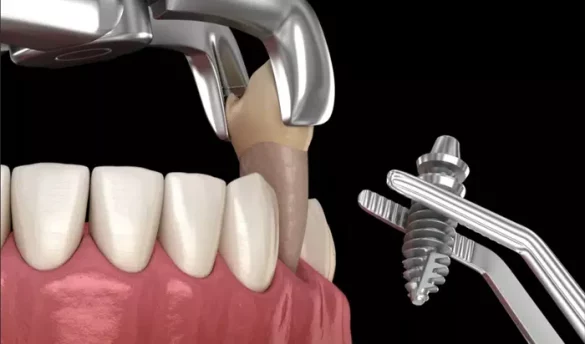
Dental implants offer a reliable, long-term solution for missing teeth. However, the journey from tooth extraction to implant placement involves several crucial stages. The time required varies depending on individual health, gum disease presence, and whether additional procedures like bone grafting are needed.
Why Timing Matters After a Tooth Extraction
After a tooth is extracted, the surrounding bone and gum tissue begin to remodel. If an implant is placed too early, it may fail to integrate. Waiting too long could lead to bone loss, which might require grafting. Balancing these factors is key to long-term implant success.
Immediate Implant Placement
In some cases, an implant can be placed immediately after extraction. This is only possible if:
- The extracted site is infection-free
- The bone is healthy and dense
- The patient does not suffer from advanced gum disease
Immediate placement can save time but is not suitable for everyone.
Early Implant Placement: 4–8 Weeks Post-Extraction
If immediate placement is not feasible, many dentists opt for early placement. This typically occurs 4–8 weeks after extraction, once the gum tissue has healed. This allows inflammation to subside and ensures a more stable environment for implant success.
Delayed Implant Placement: 3–6 Months or More
When the extraction site has infection or bone loss, delayed placement is recommended. This timeline can extend up to 6 months or longer, especially if bone grafting is necessary. Healing must be complete before moving forward.
Factors That Affect Implant Timing
1. Presence of Gum Disease
Gum disease can delay healing and compromise implant stability. Patients with periodontal disease need treatment before an implant is considered. This may include scaling, root planing, or gum surgery. After treatment, healing should be reassessed before proceeding.
2. Bone Quality and Quantity
To support an implant, the jawbone must have adequate height and density. If significant bone has been lost after extraction, bone grafting is often necessary. This adds 3–6 months to the timeline before implant placement.
3. Smoking and Systemic Health Conditions
Smoking, diabetes, or autoimmune diseases can slow down healing. These conditions may necessitate additional waiting time and increase the risk of implant failure. Consultation with a healthcare provider is essential to determine suitability.
Bone Grafting: Extending the Implant Timeline
Bone grafting is a surgical procedure used to rebuild bone in areas where it is insufficient. Common grafting materials include autografts (your own bone), allografts (donor bone), and synthetic options. Healing after bone grafting takes approximately 3–6 months before an implant can be placed.
The Healing Phase After Implant Placement
Once the implant is placed, it must integrate with the bone—a process called osseointegration. This usually takes 3–6 months. During this phase, patients must avoid putting pressure on the implant to ensure successful fusion.
Signs of Successful Healing
- No signs of infection or inflammation
- Stable implant without mobility
- Healthy gum tissue around the implant
Dealing with Sensitive Teeth During the Process
Teeth adjacent to the extraction site may become sensitive during healing. This sensitivity is usually temporary and can be managed with desensitizing toothpaste or fluoride treatments. However, persistent pain should be evaluated by a dentist.
Restoration Phase: Crown Placement
After successful osseointegration, the final crown can be placed on the implant. This step typically occurs 3–6 months post-implant placement. The crown restores aesthetics and function, completing the tooth replacement process.
Summary Timeline: Tooth Extraction to Implant
- Day of extraction – Healing begins
- Immediate placement – Only if conditions allow
- 4–8 weeks – Early implant placement for routine cases
- 3–6 months – Delayed placement with prior complications
- +3–6 months – If bone grafting is needed
- +3–6 months – Osseointegration period after implant
In total, the full process may take anywhere from 3 months to over a year depending on individual circumstances.
What Happens If You Delay Getting an Implant?
Delaying an implant for too long can lead to jawbone deterioration. Without stimulation from a tooth root or implant, the bone begins to shrink—a process known as resorption. This can complicate future implant placement and may require more extensive grafting procedures.
Maintaining Oral Health During the Waiting Period
It is crucial to maintain excellent oral hygiene between extraction and implant placement. Brushing twice a day, flossing, and using mouth rinses help prevent infection. Addressing sensitive teeth early and avoiding smoking can further support healing.
Conclusion
The time it takes from tooth extraction to implant varies from patient to patient. Whether you’re a candidate for immediate placement or require a phased approach, working closely with your dental provider ensures the best possible outcome.
Addressing issues like gum disease, sensitive teeth, and bone loss early in the process leads to a more successful and lasting restoration.