


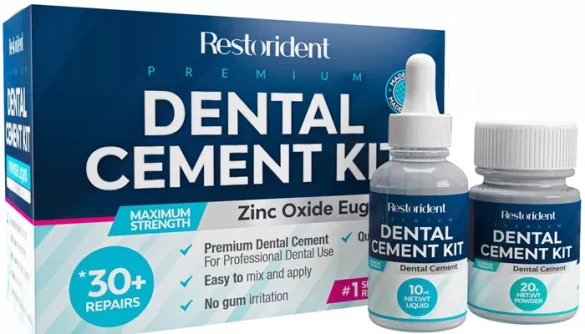
Tooth fillings are among the most common dental treatments worldwide. They help restore teeth after cavities, fractures, or wear. Dentists use different types of cement to fill and protect the tooth structure. Choosing the right cement is important for durability, comfort, and long-term oral health. In 2025, dental science continues to evolve, offering safer and more effective filling materials. This article reviews the seven best cement for tooth fillings in 2025, explaining their unique properties, uses, and benefits. The content is designed to guide both dental professionals and patients in understanding modern filling options.
Why Dental Cement Matters
Dental cement plays a crucial role in restorative dentistry. It bonds filling material to the tooth, seals the cavity, and prevents bacterial invasion. A reliable cement can reduce risks of gum inflammation, sensitivity, and recurrent decay. Poorly selected cement, on the other hand, may lead to secondary cavities, discomfort, or even the need for tooth extractions.
Thus, selecting the right cement is not just a technical choice for dentists but also a key factor in patient comfort and long-term oral health.
Factors to Consider When Choosing Filling Cement
Biocompatibility
Biocompatibility ensures that the cement does not irritate the pulp or cause gum inflammation. Patients with sensitive gums benefit from materials designed for minimal irritation.
Strength and Durability
Fillings should last for many years. Cement strength is critical for withstanding chewing forces, especially in molars where pressure is high.
Ease of Application
Dentists need cement that is easy to manipulate and set quickly without compromising results. User-friendly cement can reduce procedure time and improve patient experience.
Aesthetic Appearance
In visible teeth, appearance matters. Tooth-colored cement helps create a natural look and supports patient confidence in their smile.
Resistance to Decay
Some modern cements release fluoride or other agents that help prevent cavities from forming around the filling.
The 7 Best Cement for Tooth Fillings in 2025
1. Glass Ionomer Cement (GIC)
Glass Ionomer Cement remains a top choice in 2025. It bonds chemically to the tooth structure and releases fluoride, which helps prevent recurrent decay. Dentists often use GIC for fillings in primary teeth and non-load-bearing areas. It is especially useful in patients prone to cavities or with a history of gum inflammation.
2. Resin-Modified Glass Ionomer Cement (RMGIC)
RMGIC combines the benefits of glass ionomer with added resin components. This improves strength and wear resistance, making it suitable for a wider range of fillings. Its dual advantages of fluoride release and enhanced durability make it one of the most reliable options for long-term results.
3. Composite Resin Cement
Composite resin cement offers excellent aesthetics. It blends naturally with surrounding tooth color, making it ideal for visible areas like front teeth. Modern composites in 2025 are stronger and more resistant to staining. Patients often prefer this option when appearance is a priority after tooth extractions or cosmetic procedures.
4. Zinc Oxide Eugenol Cement (ZOE)
Zinc Oxide Eugenol cement has a long history in dentistry. It is commonly used for temporary fillings due to its soothing effect on the pulp. Dentists may use ZOE after tooth extractions or in cases of gum inflammation to allow tissues to heal before placing a permanent filling. However, it is not suitable for long-term restorations.
5. Zinc Phosphate Cement
Zinc Phosphate cement is one of the oldest but still reliable dental cements. It offers high compressive strength, making it suitable for supporting crowns and bridges as well as certain fillings. Though it lacks fluoride release, its durability ensures a long-lasting bond in posterior teeth.
6. Polycarboxylate Cement
Polycarboxylate cement is known for its biocompatibility and reduced irritation to dental pulp. This makes it a good choice for patients with sensitive teeth or gum inflammation. Although not as strong as resin-based cements, it serves well for intermediate fillings and situations where comfort is prioritized.
7. Bioactive Cement (Calcium Silicate-Based)
Bioactive cements are among the most innovative materials in 2025. These calcium silicate-based cements promote remineralization of the tooth structure. They release calcium and phosphate ions, encouraging natural healing and strengthening. Bioactive cements are particularly useful in deep cavities and near the pulp, reducing the risk of future tooth extractions.
Comparison of the 7 Best Cements
Each cement has unique strengths. For example, GIC and RMGIC are best for fluoride release, while composite resin excels in aesthetics. ZOE is ideal for temporary fillings, and bioactive cement supports natural healing. Dentists often select a material based on the patient’s needs, location of the filling, and long-term goals. The choice also depends on whether the filling follows tooth extractions, cavity treatment, or trauma repair.
How Cement Impacts Gum Health
Improperly placed fillings or poor-quality cement may cause gum inflammation. Food particles can get trapped near fillings if the bond is weak. This increases the risk of infection and discomfort. By using the best dental cements, dentists reduce these risks and improve gum health. Many modern cements also release ions that help control bacterial growth around the filling margins.
Role of Cement in Preventing Tooth Extractions
When cavities or fractures are treated promptly with proper cement, tooth extractions can often be avoided. Strong and biocompatible cements protect the pulp and prevent recurrent decay. Bioactive and fluoride-releasing cements are particularly effective in extending the lifespan of natural teeth. Patients benefit not only in oral health but also in reduced dental costs and preserved smile aesthetics.
Future Trends in Dental Cement
The future of dental cement lies in bioactivity, nanotechnology, and improved bonding strength. Research is focusing on self-healing materials and cements that interact with oral tissues to promote regeneration. In 2025, many dental manufacturers are developing smart cements that adapt to the oral environment, further reducing the chances of gum inflammation and repeated tooth extractions.
Tips for Patients After Getting a Tooth Filling
Maintain Good Oral Hygiene
Brushing and flossing regularly helps protect fillings and prevent gum inflammation. Patients should also schedule regular check-ups to monitor the condition of their fillings.
Avoid Hard Foods Initially
Some cements require time to reach full strength. Avoiding hard or sticky foods right after treatment prevents damage and ensures proper bonding.
Report Any Discomfort
If pain, sensitivity, or gum inflammation occurs after a filling, patients should contact their dentist. Early intervention can prevent complications and possible tooth extractions.
Conclusion
The best cement for tooth fillings in 2025 depends on the patient’s dental condition and treatment goals. Glass ionomer and resin-modified glass ionomer provide reliable fluoride release. Composite resin ensures natural aesthetics. Zinc oxide eugenol offers comfort in temporary cases, while bioactive cement promotes natural healing. By selecting the appropriate cement, dentists can restore function, maintain gum health, and prevent tooth extractions. Modern advancements make dental fillings safer and more durable than ever before, ensuring healthier smiles for patients worldwide.