


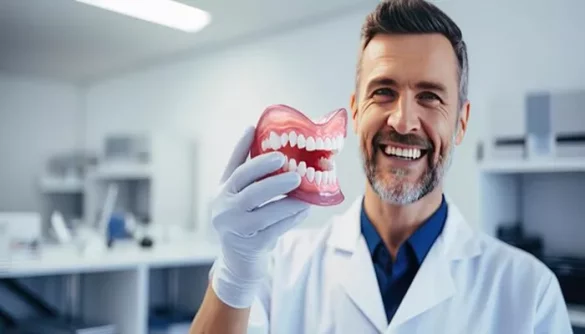
Dentures are one of the most common restorative dental solutions for patients who have lost teeth due to decay, injury, or gum disease. They are designed to restore both function and appearance by replacing missing teeth with removable prosthetics. While dentures can be life-changing for many individuals, they are not suitable for everyone. Certain oral health conditions, lifestyle factors, and medical considerations can make some people poor candidates for traditional dentures. Understanding these limitations is important for making informed decisions about tooth replacement options.
This article explores who is not a good candidate for dentures, the reasons behind these limitations, and possible alternatives to consider.
Understanding the Purpose of Dentures
Dentures are prosthetic devices that rest on the gums and jawbone to replace missing teeth. They can be complete dentures, which replace all teeth, or partial dentures, which replace a smaller number of missing teeth while fitting around the remaining natural teeth. Their purpose is to restore chewing ability, improve speech, and enhance facial aesthetics.
However, the success of dentures depends on several factors, including gum health, bone density, and the patient’s ability to adapt to the prosthetics. Because dentures rely on the underlying gums and bone structure for support, not every patient is a good match for them.
1. Patients with Advanced Gum Disease
One of the main reasons why some individuals are not suitable for dentures is gum disease, also known as periodontal disease. Healthy gums are essential for supporting dentures because they form the foundation on which the prosthetic rests. When gum disease is present, it can lead to inflammation, recession, and deterioration of the tissues that are needed to hold dentures in place.
How Gum Disease Impacts Denture Stability
Gum disease weakens the attachment of gums to the bone and causes tissue breakdown. If dentures are placed on inflamed gums, the patient may experience pain, irritation, and frequent sore spots. In addition, periodontal disease often causes ongoing bone loss, which makes it difficult for dentures to stay secure over time.
Managing Gum Disease Before Dentures
Patients with gum disease are typically advised to undergo periodontal treatment before being considered for dentures.
This may include deep cleanings, scaling and root planing, and in advanced cases, surgical interventions. Without addressing gum disease first, dentures will likely fail to function properly and cause discomfort.
2. Individuals with Significant Bone Loss
Dentures rely on the underlying jawbone to provide support and stability. When a patient has experienced significant bone resorption, dentures may not fit properly. Bone loss often occurs as a natural consequence of tooth loss, and it becomes more pronounced over time if untreated.
Why Bone Density Matters
A strong jawbone gives dentures a firm base to rest on. Without enough bone, dentures may slip, wobble, or fail to stay in place. This can lead to sore gums, difficulty eating, and frustration with daily use. Severe bone loss can also change the facial profile, creating a sunken appearance that makes dentures look unnatural.
Bone Grafting and Alternatives
Patients with severe bone loss may be poor candidates for traditional dentures but could benefit from bone grafting procedures to restore jaw support. Another alternative is implant-supported dentures, which use dental implants anchored in the bone to provide superior stability compared to conventional removable dentures.
3. Patients with Sensitive Teeth and Oral Tissues
Some individuals experience highly sensitive teeth or gums that cannot tolerate the pressure and friction of dentures. Sensitivity can arise from enamel erosion, exposed dentin, or underlying medical conditions that cause oral discomfort.
Challenges with Oral Sensitivity
For these patients, dentures can cause persistent irritation, burning sensations, or even pain when chewing. In such cases, wearing dentures may become intolerable, leading to reduced quality of life and limited use of the prosthetics.
Alternative Solutions for Sensitive Patients
Instead of traditional dentures, individuals with sensitive teeth and gums may benefit from less invasive restorative treatments, such as dental bridges or partial implants, which place less stress on oral tissues. Custom-fitted soft liners can also sometimes help, but they may not provide a long-term solution.
4. Patients with Poor Oral Hygiene Habits
Maintaining dentures requires strict oral hygiene practices, including daily cleaning and regular dental checkups. Patients who already struggle with oral hygiene may find it difficult to keep dentures free from bacteria and plaque. This neglect can lead to gum infections, bad breath, and accelerated bone loss.
The Importance of Hygiene for Dentures
Poor oral hygiene contributes to gum disease and fungal infections such as oral thrush, which thrive in moist, unclean denture environments. For this reason, patients unwilling or unable to commit to regular denture care may not be good candidates.
5. Patients with Strong Gag Reflex
A strong gag reflex can make it difficult for some individuals to tolerate dentures, particularly upper dentures that cover the roof of the mouth. The sensation of the denture base may trigger gagging, nausea, or even vomiting.
Adapting to a Gag Reflex
Some patients can overcome this issue with gradual adaptation, relaxation techniques, or adjustments to denture design. However, for those with severe gag reflexes, dentures may not be practical. Alternatives such as implant-supported overdentures can minimize palatal coverage and improve comfort.
6. Patients with Certain Medical Conditions
Systemic medical conditions can influence whether a patient is a good candidate for dentures. For example, individuals with uncontrolled diabetes, Sjögren’s syndrome, or severe osteoporosis may face challenges with denture use.
Diabetes and Denture Use
Diabetic patients often experience delayed healing, higher infection risk, and dry mouth. Ill-fitting dentures can exacerbate these problems, leading to painful ulcers and poor adaptation.
Sjögren’s Syndrome and Dry Mouth
Patients with Sjögren’s syndrome produce insufficient saliva, making it difficult for dentures to stay lubricated and comfortable. Dry mouth also increases the risk of fungal infections and denture sores.
Osteoporosis and Jawbone Weakness
Severe osteoporosis weakens the jawbone, making it less capable of supporting dentures. Patients with this condition may be better suited for implant-retained dentures combined with bone-strengthening therapies.
7. Individuals with Unrealistic Expectations
Some patients may expect dentures to function exactly like natural teeth. While modern dentures provide a high degree of function and aesthetics, they do not perfectly replicate the feel or strength of natural teeth. Individuals unwilling to adapt to the learning curve of speaking, chewing, and cleaning with dentures may not be satisfied.
Setting Realistic Goals
Dental professionals play an important role in educating patients about what dentures can and cannot achieve. Those who are open to adaptation and realistic expectations typically have greater long-term success with dentures.
Psychological Factors and Denture Use
Adjusting to dentures requires patience and perseverance. Some patients may feel embarrassed or self-conscious about wearing removable prosthetics, which can affect their confidence and willingness to use them. For these individuals, other treatment options may be more suitable.
Overcoming Psychological Barriers
Counseling, support, and clear communication can help some patients adapt emotionally. Others may prefer fixed restorations such as dental implants that more closely resemble natural teeth in function and permanence.
Alternative Tooth Replacement Options
For patients who are not good candidates for traditional dentures, modern dentistry provides several alternatives that may be more suitable:
Dental Implants: Provide permanent and stable tooth replacement anchored in the jawbone.
Implant-Supported Dentures: Combine the affordability of dentures with the stability of implants.
Dental Bridges: Replace one or more missing teeth by anchoring to adjacent teeth.
Partial Dentures with Precision Attachments: Offer more comfort and stability than traditional partials.
Conclusion
Dentures are an effective solution for many patients, but they are not suitable for everyone. People with untreated gum disease, severe bone loss, oral sensitivity, poor hygiene habits, strong gag reflexes, or certain medical conditions may struggle with traditional dentures. Psychological readiness and realistic expectations also play a critical role in denture success. Fortunately, advances in dental technology offer alternatives such as implants and bridges, ensuring that patients have options tailored to their unique oral health needs.