


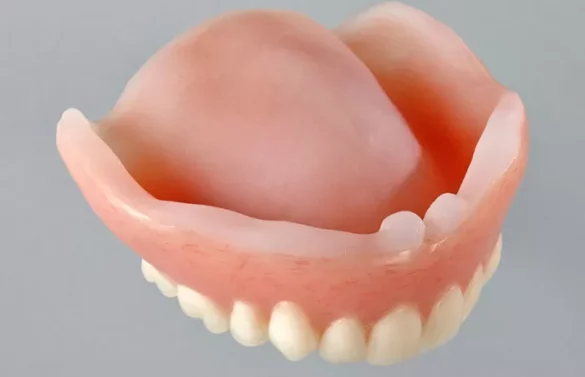
A soft denture reline is a common dental procedure used to improve the comfort and fit of dentures. Dentures often lose their snug fit over time as the mouth, gums, and bone structure change. When a denture feels loose, causes sore spots, or irritates sensitive teeth and gums, dentists often recommend a reline. A soft reline uses pliable, cushioning material to line the inside of the denture, making it more comfortable for patients with gum disease, thin gum tissue, or tender oral surfaces. The key question patients ask is: how long does a soft denture reline last?
Understanding What a Soft Denture Reline Is
A soft denture reline involves placing a layer of soft polymer or silicone-based material inside the denture base. This layer acts as a cushion between the denture and the gums. Unlike a hard reline, which uses acrylic material, a soft reline remains more flexible. This flexibility helps reduce pressure points and irritation, particularly for people with sensitive teeth, gum disease, or sore oral tissues. The purpose is to improve fit and comfort without requiring a new set of dentures.
Why Soft Denture Relines Are Needed
Several changes in the mouth can make dentures feel uncomfortable or unstable over time. These include bone resorption, gum shrinkage, and changes due to medical conditions. Patients with gum disease or those who have experienced significant bone loss often benefit most from soft relines. This type of adjustment provides relief from pain, reduces the risk of sores, and enhances the overall function of dentures.
Average Lifespan of a Soft Denture Reline
On average, a soft denture reline lasts six months to one year. However, the exact duration depends on the patient’s oral condition, hygiene routine, and type of reline material used. Some soft liners may begin to lose their cushioning effect within a few months, especially if exposed to heavy chewing forces or poor cleaning practices. Dentists usually recommend replacing or redoing a soft reline once it begins to harden, deteriorate, or harbor bacteria.
Factors That Affect Longevity
1. Oral Hygiene Habits
Patients who clean their dentures daily and maintain proper oral hygiene tend to extend the life of their soft reline. Plaque buildup, food debris, and bacteria can break down the liner faster. Neglecting hygiene can also lead to infections and worsen gum disease.
2. Type of Reline Material
Different soft liner materials vary in durability. Silicone-based liners usually last longer than acrylic-based liners. A high-quality soft liner can withstand daily use better than a budget-friendly alternative.
3. Patient’s Oral Condition
Patients with severe gum disease or very thin gum tissue often wear out soft relines faster due to uneven pressure points. Similarly, heavy clenching or grinding (bruxism) can reduce the reline’s lifespan significantly.
4. Denture Usage
Patients who wear dentures all day and night may notice that their soft relines deteriorate faster. Removing dentures at night allows the material to rest and reduces wear.
5. Dental Visits and Adjustments
Regular dental check-ups ensure the reline remains effective. Dentists can smooth rough spots, repair worn areas, or advise when it is time for a new reline. Without monitoring, a liner may break down unnoticed, causing irritation or infection.
Signs That a Soft Denture Reline Needs Replacement
Even with proper care, a soft denture reline eventually requires replacement. Common warning signs include:
- Persistent sore spots or gum irritation
- Increased denture looseness
- Unpleasant odors or stains in the liner
- Hardening or cracking of the material
- Difficulty chewing or speaking comfortably
If any of these issues appear, patients should consult their dentist promptly. Continuing to wear a worn liner can lead to infection, worsening gum disease, or further irritation of sensitive teeth and gums.
Comparison of Soft vs. Hard Denture Relines
While soft relines provide comfort, they are less durable than hard relines. A hard reline, made of acrylic, can last several years but may not be as comfortable for patients with gum disease or thin tissues. Soft relines usually last less than a year but offer better cushioning. Many patients alternate between the two, depending on their oral health needs.
Impact of Gum Disease and Sensitive Teeth
Gum disease and sensitive teeth directly influence how long a soft reline lasts. Inflammation, bleeding gums, or receding tissues make dentures harder to fit securely. A soft reline helps cushion these areas, but the disease process can cause constant tissue changes, requiring more frequent relines. Patients with gum disease should see their dentist regularly to manage both the disease and the fit of their dentures.
How to Extend the Lifespan of a Soft Denture Reline
1. Maintain Excellent Oral Hygiene
Cleaning dentures daily with non-abrasive cleaners helps prevent bacterial buildup. Rinsing after meals and soaking dentures overnight in approved solutions are also essential.
2. Remove Dentures at Night
Allowing gums to rest overnight reduces pressure and extends the lifespan of the soft liner. Sleeping without dentures also reduces the risk of fungal infections.
3. Avoid Harsh Cleaning Products
Abrasive toothpaste, strong chemicals, and hot water can damage soft liners. Patients should use only dentist-approved cleansers.
4. Schedule Regular Dental Check-ups
Dentists can identify early signs of liner deterioration and provide timely adjustments. Routine check-ups also allow for oral health monitoring, especially in patients with gum disease.
5. Manage Underlying Conditions
Treating gum disease, bruxism, or dry mouth helps improve denture fit and prevents early liner failure. A healthy oral environment allows the reline material to function longer.
Professional vs. At-Home Relines
Some over-the-counter soft reline kits are available for temporary relief. However, these should not replace professional care. At-home relines may contain low-quality materials that break down within weeks, increase the risk of infection, and damage dentures. Professional relines use stronger, biocompatible materials that last longer and are safer for sensitive teeth and gums.
Cost and Insurance Considerations
The cost of a soft denture reline varies depending on the dental clinic and materials used. On average, it ranges between $200 and $500. Many dental insurance plans cover relines, especially if medically necessary. Since relines often need to be redone every year, patients should discuss ongoing costs with their dentist.
When to Consider a New Denture Instead of a Reline
Soft relines are temporary solutions. If dentures are more than 5–7 years old, severely worn, or broken, a new set may be the best option. Relining only works if the denture base is still in good condition. Dentists often recommend new dentures when relines no longer provide comfort or when gum disease and bone loss have significantly altered the mouth’s shape.
Conclusion
A soft denture reline typically lasts between six months and one year, though the exact duration depends on hygiene, material type, oral health, and lifestyle factors. Patients with gum disease or sensitive teeth may need more frequent relines to maintain comfort. Regular dental check-ups, proper cleaning, and good oral care habits are essential to extending the lifespan of a reline. While relines offer comfort and improved fit, they are not permanent solutions, and eventually, dentures will need replacement. For patients seeking relief from sore gums and loose dentures, a soft reline remains a valuable option.