


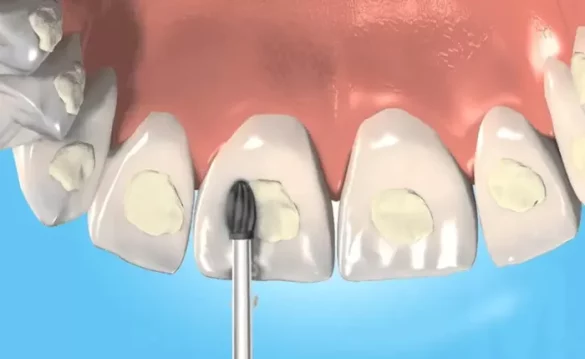
Braces are an effective orthodontic treatment to align teeth, improve bite, and enhance oral function. However, when braces are removed, remnants of dental adhesive or orthodontic cement often remain on the teeth. This leftover cement may cause rough surfaces, plaque retention, or discomfort if not properly addressed. Removing cement from teeth after braces requires precision, professional care, and patient awareness. This article explains the reasons cement remains, safe removal methods, professional treatments, risks of improper techniques, and post-removal care. The content also highlights the importance of gum health, sensitive teeth management, and long-term oral hygiene.
Why Cement Remains After Braces
Orthodontic brackets are bonded to the teeth using a strong dental adhesive called resin cement. This adhesive is designed to withstand chewing forces, brushing, and daily wear for months or years. When braces are removed, the brackets are carefully debonded, but traces of cement may stay attached to the enamel. These remnants are usually small, but they can affect texture, appearance, and oral hygiene.
Key reasons cement may remain
- The adhesive bond is intentionally strong to prevent bracket loss during treatment.
- Orthodontic cement penetrates microscopic enamel pores for stability.
- Enamel surfaces are irregular, making complete removal difficult.
- Brackets may detach unevenly, leaving thin layers of cement behind.
Why Removing Cement Is Important
Some patients may consider ignoring small cement deposits. However, leaving adhesive behind can create oral health challenges. The following are key reasons to remove cement after braces:
1. Prevents plaque accumulation
Cement surfaces are rougher than natural enamel. This roughness allows bacteria and plaque to accumulate, increasing the risk of gum disease and tooth decay.
2. Protects gum health
Cement near the gumline irritates soft tissues, causing redness, swelling, or gingivitis. Long-term irritation can advance to periodontal disease if untreated.
3. Reduces tooth sensitivity
Cement residues can make teeth harder to clean and expose areas of enamel. Patients may experience sensitive teeth when eating hot, cold, or sweet foods.
4. Improves aesthetics
White or chalky cement patches may create uneven tooth surfaces, affecting smile appearance. Proper removal restores a smooth, glossy finish.
Professional Methods for Removing Cement
The safest and most reliable way to remove cement from teeth is through professional dental care. Dentists and orthodontists use specialized tools and techniques to minimize enamel damage and ensure comfort.
Dental polishing burs
Small rotary burs gently shave off cement. They are designed to be less abrasive to enamel while removing adhesive efficiently. This method is common in orthodontic offices after braces removal.
Ultrasonic scalers
Ultrasonic devices produce vibrations that break down cement. The scaler tip targets cement residues without harming enamel. This method also cleans plaque and tartar, promoting gum health.
Hand instruments
Orthodontic pliers or scalers may be used manually for precision. Dentists often use these for cement near gumlines or in tight spaces.
Polishing and fluoride treatment
After cement removal, polishing restores enamel smoothness. Fluoride varnishes are often applied to strengthen enamel and reduce sensitivity.
Can Cement Be Removed at Home?
Many patients wonder if they can remove cement without visiting a dentist. While home methods exist, they carry significant risks.
Risks of home removal
- Using sharp tools may scratch enamel or injure gums.
- Abrasive methods, such as nail files or sandpaper, cause permanent enamel loss.
- Unprofessional attempts increase tooth sensitivity and decay risk.
- Hidden cement deposits may remain unnoticed, leading to gum disease.
When to avoid home methods
Patients with sensitive teeth, gum disease, or weak enamel should never attempt cement removal at home. Professional care is always safer and more effective.
Safe At-Home Supportive Care
Although cement should not be mechanically removed at home, patients can adopt supportive measures to maintain oral health until they see a dentist.
Brushing with fluoride toothpaste
Using fluoride toothpaste helps remineralize enamel and reduce irritation around cement deposits. Soft-bristled brushes prevent gum trauma.
Rinsing with antimicrobial mouthwash
Mouthwash reduces bacterial buildup on cement surfaces, lowering the risk of gingivitis and bad breath.
Using desensitizing toothpaste
If teeth feel sensitive, toothpaste designed for sensitive teeth can reduce discomfort caused by exposed enamel near cement residues.
Flossing carefully
Flossing around cement deposits prevents food impaction and bacterial growth, especially near gumlines.
Managing Sensitive Teeth After Cement Removal
Tooth sensitivity is a common complaint after braces are removed. Cement removal may expose enamel areas that feel tender. Proper care reduces discomfort.
Professional fluoride treatment
Dentists often apply fluoride varnish or gel to protect enamel and reduce nerve sensitivity.
Desensitizing products
Potassium nitrate toothpaste can block nerve signals in sensitive teeth, providing long-term relief.
Avoiding triggers
Limiting acidic foods, very hot drinks, or cold beverages helps reduce pain while enamel stabilizes.
Link Between Cement Residues and Gum Disease
Cement remnants create rough areas that encourage plaque accumulation. If not properly removed, these areas trap bacteria and food particles, leading to inflammation.
Stages of gum irritation
- Gingivitis: Early stage with red, swollen gums and mild bleeding.
- Periodontitis: Advanced infection with gum recession, bone loss, and loose teeth.
Patients with cement residues should seek timely professional removal to protect long-term gum health.
Long-Term Oral Care After Braces
Once cement is removed, maintaining oral health is essential to prevent relapse, sensitivity, and disease. A strong post-braces care routine ensures lasting results.
Daily brushing and flossing
Consistent hygiene prevents plaque buildup and keeps enamel smooth.
Routine dental visits
Regular checkups allow dentists to detect early signs of enamel wear, gum disease, or orthodontic relapse.
Whitening and cosmetic options
Professional whitening may improve tooth appearance after cement removal. Dentists may also recommend polishing or bonding for minor enamel irregularities.
Conclusion
Removing cement from teeth after braces is a crucial step in orthodontic care. Professional removal ensures safety, prevents gum disease, reduces sensitivity, and restores aesthetics. While patients may be tempted to attempt removal at home, doing so risks enamel damage and long-term oral problems. With proper dental guidance, supportive hygiene practices, and regular checkups, patients can enjoy healthy, smooth, and beautiful teeth after their orthodontic journey.