


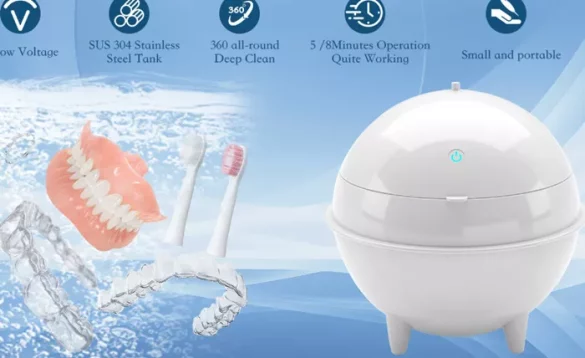
Keeping dentures clean is essential for oral health. Dentures collect food debris, plaque, and bacteria. Without proper care, they can cause gum disease, bad breath, and irritation for people with sensitive teeth. Traditional cleaning methods, like brushing or soaking, are helpful but may not remove all deposits. An ultrasonic cleaner provides a more advanced and efficient way to maintain dentures. This guide will explain how ultrasonic cleaning works, its benefits, and a step-by-step method to clean dentures safely at home.
Understanding the Role of Dentures
Dentures replace missing teeth and restore function and appearance. They help with chewing, speaking, and maintaining facial structure. Since dentures sit directly on gums, poor cleaning can increase the risk of infections, gum disease, and inflammation. Unlike natural teeth, dentures are made of acrylic or metal, which need special care to avoid scratching or damage. Cleaning dentures properly not only extends their lifespan but also protects oral tissues and prevents discomfort for those with sensitive teeth.
What is an Ultrasonic Cleaner?
An ultrasonic cleaner is a device that uses high-frequency sound waves to clean objects. When used for dental appliances, it works by creating microscopic bubbles in water or cleaning solution. These bubbles collapse quickly, generating energy that loosens and removes plaque, stains, and debris from denture surfaces. The process is called cavitation. It is gentle, effective, and reaches areas that a toothbrush cannot. Many dental clinics use ultrasonic cleaners, but compact models are available for home use.
How Ultrasonic Cleaning Differs from Traditional Methods
Traditional cleaning involves soaking dentures in cleansing tablets or brushing with a soft brush. While effective for surface cleaning, these methods may not eliminate all bacteria or stains. Ultrasonic cleaners, on the other hand, provide deep cleaning without abrasive scrubbing. This helps reduce the risk of scratching denture surfaces, which can harbor more bacteria. For people with sensitive teeth and gums, ultrasonic cleaning provides a safe, non-invasive solution.
Why Use an Ultrasonic Cleaner for Dentures?
Ultrasonic cleaning offers multiple benefits compared to manual methods:
- Removes plaque and biofilm that brushing may miss.
- Prevents gum disease by reducing bacterial buildup.
- Minimizes wear and tear on denture surfaces.
- Safe for individuals with sensitive teeth and gums.
- Convenient and time-saving, requiring minimal effort.
- Effective in removing coffee, tea, and tobacco stains.
Improving Oral Health
Using an ultrasonic cleaner supports better oral hygiene. Clean dentures lower the risk of infections and oral irritation. For elderly individuals or those with limited hand mobility, ultrasonic devices provide an easier way to maintain dental appliances. Keeping dentures free from harmful microorganisms also helps protect overall health, as bacteria from the mouth can affect the heart and other organs.
Step-by-Step Guide: How to Clean Dentures with an Ultrasonic Cleaner
Step 1: Gather Your Supplies
To begin, you will need:
- An ultrasonic cleaner (home-use model or dental-grade device).
- A cleaning solution (commercial denture cleaning liquid or mild dish soap).
- Clean water for rinsing.
- A soft denture brush for additional surface cleaning if needed.
- A clean towel to dry dentures after cleaning.
Step 2: Prepare the Ultrasonic Cleaner
Fill the tank of the ultrasonic cleaner with clean, lukewarm water. Some devices allow the addition of cleaning tablets or specialized denture solutions. Follow the manufacturer’s instructions carefully to avoid damaging the device or dentures. Never use harsh chemicals like bleach or boiling water, as they can warp or weaken denture material.
Step 3: Place the Dentures in the Cleaner
Carefully place your dentures into the cleaner’s basket. Ensure that both upper and lower dentures are fully submerged. The cavitation process works best when the denture surfaces are in full contact with the cleaning solution.
Step 4: Start the Cleaning Cycle
Switch on the ultrasonic cleaner and select the recommended cycle time, usually 5 to 10 minutes. During this time, high-frequency sound waves generate bubbles that clean all surfaces, including hard-to-reach areas such as clasps and grooves.
Step 5: Rinse Thoroughly
Once the cycle ends, remove the dentures and rinse them under running water. This step removes any leftover cleaning solution and loosened debris. For added cleanliness, use a soft denture brush to gently scrub the surface, especially around metal parts or stains.
Step 6: Dry and Store Safely
Pat the dentures dry with a clean towel. Store them in a denture container filled with fresh water or a soaking solution when not in use. Never let dentures dry out completely, as this can cause them to lose shape.
Tips for Effective Denture Cleaning with Ultrasonic Cleaners
- Clean dentures daily to prevent plaque buildup and gum disease.
- Use only solutions recommended for denture cleaning.
- Avoid strong chemicals that may damage acrylic or metal parts.
- Always rinse dentures before placing them back in your mouth.
- Combine ultrasonic cleaning with regular dental checkups.
- Replace worn-out dentures as advised by your dentist.
Precautions When Using Ultrasonic Cleaners
While ultrasonic cleaners are safe, consider these precautions:
- Do not run the device without water.
- Follow cleaning cycles as recommended; overuse may damage dentures.
- Do not use ultrasonic cleaners as a substitute for dental visits.
- Check for cracks or damage in dentures before and after cleaning.
- If you have dental implants or partial dentures, confirm with your dentist before ultrasonic use.
Ultrasonic Cleaning vs. Other Denture Cleaning Methods
Brushing Dentures
Brushing with a soft denture brush and mild soap removes surface stains and food debris. However, it requires manual effort and may not remove deep-seated bacteria. For people with sensitive teeth or limited dexterity, brushing alone can be difficult.
Soaking Dentures
Soaking dentures in cleansing tablets overnight is a common method. While effective against stains, soaking does not remove all plaque and may leave residue if not rinsed properly. Ultrasonic cleaning enhances the effectiveness of soaking solutions.
Professional Dental Cleaning
Dental professionals use advanced ultrasonic systems combined with disinfectants for deep cleaning. While highly effective, professional cleaning may not be practical for daily use. Home ultrasonic cleaners provide a convenient in-between solution.
Maintaining Oral Health Alongside Denture Cleaning
Cleaning dentures is only part of oral hygiene. The health of gums and remaining natural teeth must also be preserved. Rinse your mouth with water after meals, brush natural teeth gently with fluoride toothpaste, and use mouthwash as advised by your dentist. For people with gum disease or sensitive teeth, maintaining good oral hygiene reduces discomfort and prevents worsening conditions.
Preventing Gum Disease
Dentures that are not cleaned properly harbor bacteria that irritate gums. This can lead to inflammation, bleeding, and gum disease. Ultrasonic cleaning removes bacteria from denture surfaces, reducing the risk of infection. Pairing ultrasonic cleaning with proper oral care routines enhances overall oral health.
Caring for Sensitive Teeth and Gums
Many denture wearers also have sensitive teeth or gums. Rough brushing or harsh chemicals can worsen sensitivity. Ultrasonic cleaning is gentle and reduces physical scrubbing, making it suitable for individuals with delicate oral tissues.
Common Mistakes to Avoid When Cleaning Dentures
Using boiling water that warps denture material.
Scrubbing too hard with stiff brushes, leading to scratches.
Skipping daily cleaning, allowing plaque and bacteria to build up.
Using bleach, which weakens dentures and irritates gums.
Forgetting to rinse dentures after soaking or ultrasonic cleaning.
When to Seek Professional Help
If you notice persistent stains, foul odors, cracks, or discomfort when wearing dentures, consult your dentist. Professional cleaning and adjustments ensure dentures fit correctly and function properly. Ignoring problems can lead to gum disease, infections, or difficulties in chewing and speaking.
leaners are becoming smaller, quieter, and more affordable. Some devices include UV light for extra disinfection. These innovations help patients maintain oral hygiene and protect against gum disease more effectively. As technology develops, denture cleaning will become easier and more reliable.
Conclusion
Ultrasonic cleaners provide a modern, effective way to clean dentures. They remove plaque, bacteria, and stains more thoroughly than brushing or soaking alone. For individuals with gum disease, sensitive teeth, or limited hand strength, ultrasonic cleaning offers a safe and practical solution. By following the step-by-step guide outlined here, denture wearers can maintain fresh, clean appliances and protect long-term oral health. Pairing ultrasonic cleaning with regular dental visits ensures a healthy mouth and a confident smile.