


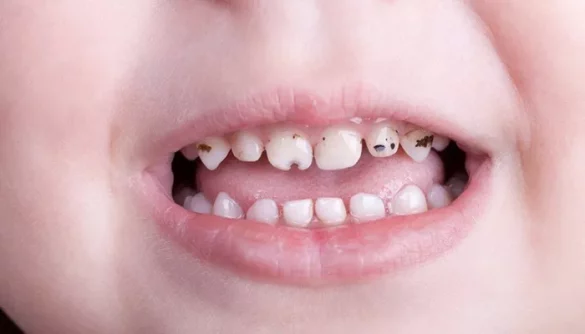
Tooth decay in infants is a common but preventable condition. It affects primary teeth and can lead to complications such as gum disease and sensitive teeth if left untreated. Understanding the causes is essential for parents and caregivers to implement preventive care early. This article explores the main factors contributing to tooth decay in infants, how it develops, and practical steps to maintain oral health.
Understanding Tooth Decay in Infants
Tooth decay, also known as dental caries, occurs when acids produced by bacteria erode the enamel and dentin of a tooth. In infants, this condition is often referred to as early childhood caries (ECC). The process begins when sugar-containing liquids or foods come in contact with the teeth. Bacteria in the mouth break down these sugars and produce acid, which gradually destroys tooth structure.
The Role of Primary Teeth
Primary teeth, commonly known as baby teeth, are crucial for chewing, speech development, and guiding permanent teeth into place. Tooth decay in these teeth can cause pain, infection, and early tooth loss, affecting overall oral health. Maintaining healthy primary teeth also reduces the risk of sensitive teeth and gum disease later in life.
Major Causes of Tooth Decay in Infants
Poor Oral Hygiene
One of the leading causes of tooth decay in infants is poor oral hygiene. Bacteria accumulate on the teeth and gums when cleaning is insufficient. Even before teeth erupt, bacteria can colonize the mouth, especially on the gums and tongue. Once teeth appear, failing to brush them gently with a soft-bristled toothbrush and age-appropriate toothpaste allows plaque buildup and increases the risk of gum disease and decay.
Frequent Sugar Intake
High-frequency sugar consumption is a significant contributor to infant tooth decay. Sugary drinks like juice, formula with added sugars, and even natural sugars in milk can feed harmful bacteria in the mouth. Frequent snacking on sweets or prolonged exposure to sugar through bottles or pacifiers increases acid production and accelerates enamel erosion. This can lead to sensitive teeth and the development of cavities.
Nighttime Bottles and Breastfeeding
Allowing infants to sleep with bottles containing milk, formula, or juice is a well-known cause of early childhood caries. During sleep, saliva production decreases, reducing the mouth’s natural ability to neutralize acids. Prolonged exposure of teeth to sugars in the liquid increases the risk of decay, particularly on the upper front teeth. Even breastfeeding at night can contribute if teeth are not cleaned afterward.
Bacterial Transmission from Caregivers
Tooth decay in infants can also result from bacterial transmission. Caregivers with untreated cavities or poor oral hygiene may pass bacteria such as Streptococcus mutans to the infant through sharing utensils, kissing, or cleaning pacifiers with their mouth. Early colonization of these bacteria increases the risk of developing gum disease and sensitive teeth in infants.
Dry Mouth and Low Saliva Production
Saliva plays a crucial role in protecting teeth by neutralizing acids and washing away food particles. Infants with low saliva production or chronic dry mouth are more susceptible to decay. Conditions such as dehydration, certain medications, or health issues can reduce saliva flow, allowing bacteria to thrive and increase the likelihood of cavities and sensitive teeth.
Dietary Deficiencies
Infants who lack essential nutrients like calcium, vitamin D, and phosphorus may have weaker tooth enamel. Weak enamel is more prone to acid attack and decay. Ensuring a balanced diet with adequate vitamins and minerals supports strong teeth and helps prevent early childhood cavities and gum disease.
Risk Factors That Exacerbate Tooth Decay
Genetics
Genetics can influence the susceptibility of infants to tooth decay. Some infants naturally have softer enamel or higher bacterial colonization, making them more prone to cavities. While genetics cannot be changed, parents can take preventive measures such as proper oral hygiene and limiting sugar intake.
Medical Conditions
Certain medical conditions increase the risk of tooth decay in infants. Conditions such as acid reflux, diabetes, and certain congenital disorders can affect oral health. Acid reflux exposes teeth to stomach acids, eroding enamel. Chronic illnesses can also reduce saliva flow or make oral hygiene more challenging, increasing the risk of gum disease and sensitive teeth.
Premature Birth
Premature infants often have delayed tooth eruption and underdeveloped enamel. This makes teeth more vulnerable to decay when they do erupt. Premature birth can also affect salivary gland development, leading to dry mouth and an increased risk of cavities and gum disease.
Use of Pacifiers and Bottles
Prolonged use of pacifiers and bottles can contribute to tooth decay. Pacifiers dipped in sugary substances and bottles used for extended periods expose teeth to constant sugar contact. Over time, this can result in early cavities, sensitive teeth, and even alignment problems if the habit continues as teeth erupt.
Early Signs of Tooth Decay in Infants
White or Brown Spots on Teeth
One of the earliest signs of decay is the appearance of white or brown spots on the tooth surface. These spots indicate demineralization of the enamel. Parents should monitor infants’ teeth regularly to catch decay early and prevent further damage.
Increased Irritability During Feeding
Infants with tooth decay may show discomfort or irritability while feeding. Pain from cavities or gum inflammation can make sucking or chewing painful. Addressing decay promptly helps relieve discomfort and prevent further complications like sensitive teeth and gum disease.
Bad Breath
Persistent bad breath in infants can be a sign of bacterial activity in the mouth. Bacteria involved in decay produce sulfur compounds that contribute to halitosis. Early dental care can control bacterial growth and prevent progression to gum disease or tooth sensitivity.
Preventive Measures for Infant Tooth Decay
Proper Oral Hygiene
Starting oral hygiene early is crucial. Even before teeth erupt, parents should clean the infant’s gums with a soft, damp cloth. After teeth appear, brushing twice daily with a soft-bristled toothbrush and a rice-sized amount of fluoride toothpaste is recommended. Establishing a consistent routine prevents plaque buildup, gum disease, and sensitive teeth.
Limiting Sugary Foods and Drinks
Reducing sugar exposure is essential for preventing decay. Avoid giving infants sugary drinks, sweetened milk, or juice in bottles. If juice is given, it should be diluted and offered during meals. Encouraging water consumption between feedings helps rinse the mouth and reduce acid attack.
Regular Dental Checkups
Infants should have their first dental visit by their first birthday. Dentists can identify early signs of decay, recommend fluoride treatments, and provide guidance for maintaining oral health. Regular checkups help prevent cavities, gum disease, and sensitive teeth from developing.
Fluoride Use
Fluoride strengthens enamel and protects against acid attack. Infants can receive fluoride through toothpaste, fluoridated water, or professional dental treatments. Proper use of fluoride reduces the risk of early childhood cavities and improves long-term oral health.
Healthy Feeding Practices
Feeding practices play a significant role in preventing decay. Avoid putting infants to bed with bottles, and clean teeth after night feedings. Encourage healthy snacks like soft fruits and vegetables instead of sugary treats. Healthy feeding routines support strong teeth and reduce the risk of sensitive teeth and gum disease.
Conclusion
Tooth decay in infants is caused by multiple factors, including poor oral hygiene, frequent sugar intake, nighttime bottles, bacterial transmission, and certain medical conditions. Early detection and preventive care, such as proper brushing, limiting sugar, fluoride use, and regular dental visits, are essential to protect primary teeth. Maintaining oral health in infants reduces the risk of sensitive teeth, gum disease, and long-term dental problems. Parents and caregivers play a vital role in creating a healthy foundation for a lifetime of strong, healthy teeth.