


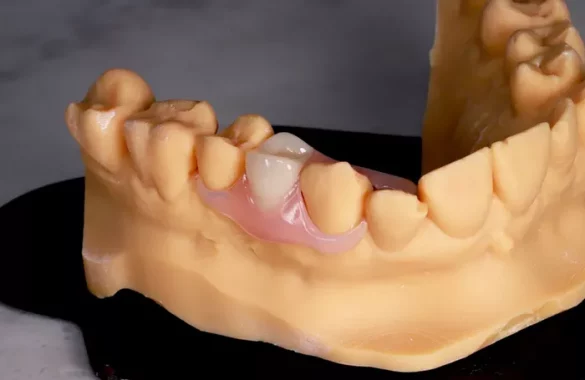
Flexible dentures are a modern alternative to traditional acrylic dentures. They are made from a soft, flexible material that adapts to the contours of the mouth. Unlike rigid dentures, flexible dentures offer improved comfort and a natural fit. Many patients with sensitive teeth or gum disease find them easier to wear for extended periods.
How Dentures Interact with the Roof of the Mouth
The roof of the mouth, or palate, is a sensitive area that contributes to taste and speech. Traditional dentures often cover the entire palate to create suction for stability. This can cause discomfort and affect taste perception. Flexible dentures, however, are designed to minimize coverage while still providing secure support.
Do Flexible Dentures Cover The Roof of the Mouth?
Partial vs. Full Coverage
Flexible dentures may either cover part of the palate or leave it exposed. Partial dentures usually fit around remaining natural teeth and do not cover the entire roof. Full dentures, especially for patients with complete tooth loss, may extend slightly over the palate to maintain stability. The degree of coverage depends on oral anatomy and individual dental needs.
Advantages of Minimal Palate Coverage
Flexible dentures that cover less of the roof of the mouth have several benefits. They allow for a more natural sense of taste and reduce irritation. Minimal coverage is particularly useful for patients with sensitive teeth, as it reduces pressure on tender areas. It also promotes better oral hygiene by allowing easier cleaning of the palate.
Material of Flexible Dentures
Flexible dentures are commonly made from nylon-based or thermoplastic materials. These materials are lightweight and bendable, making them comfortable for long-term wear. Unlike acrylic dentures, they do not require a rigid palate plate, which means less contact with sensitive tissue.
Softness and Comfort
The soft material adapts to the gums and palate, reducing friction and soreness. Patients with gum disease benefit from flexible dentures because the gentle pressure helps avoid further irritation. Sensitive teeth are less likely to experience discomfort, as the flexible base absorbs some of the biting force.
Durability and Adaptation
Despite being soft, flexible dentures are highly durable. The material resists cracking and can adjust slightly as the mouth changes over time. This adaptability ensures that the dentures maintain a comfortable fit without covering more of the palate than necessary.
Design Considerations for Palate Coverage
When designing flexible dentures, dentists carefully consider the amount of palate coverage. Key factors include remaining teeth, ridge shape, and patient comfort. Advanced techniques, such as digital scanning, help create dentures that fit snugly without excessive roof coverage.
Custom Fitting Process
The fitting process begins with impressions of the mouth. Dentists capture the precise shape of the gums and palate.
Flexible dentures are then molded to match this anatomy, ensuring that only necessary areas of the roof are covered. Adjustments are made to avoid pressure points and to accommodate sensitive teeth.
Impact on Speech and Taste
Covering the roof of the mouth can affect speech clarity and taste perception. Flexible dentures with minimal palate coverage allow the tongue to make better contact with the palate, improving pronunciation. Taste buds are less obstructed, which enhances the overall eating experience.
Benefits of Flexible Dentures Covering the Palate
While minimal coverage is preferred for comfort, some coverage of the palate provides functional benefits. It aids in suction, stabilizes the denture, and evenly distributes chewing forces. Proper design ensures these benefits without compromising comfort or causing irritation.
Protection Against Gum Disease
Flexible dentures that fit properly can help protect the gums. Poorly fitting dentures may rub against the gum tissue, increasing the risk of gum disease. A well-designed flexible denture distributes pressure evenly and avoids trauma to sensitive areas.
Support for Sensitive Teeth
Patients with sensitive teeth often struggle with traditional dentures. Flexible dentures provide cushioning that reduces pressure on remaining teeth. Minimal coverage of the palate means that biting and chewing do not trigger discomfort.
Maintenance of Flexible Dentures
Proper care is essential for flexible dentures. Cleaning routines should focus on both the denture and the palate to prevent infections and gum disease. Gentle brushing and soaking in denture-cleaning solutions are recommended. Unlike rigid dentures, flexible dentures are less likely to crack during cleaning, but they still require careful handling.
Daily Cleaning Tips
Remove dentures at night to allow the gums to rest. Brush with a soft-bristled brush using a mild detergent or denture cleaner. Avoid hot water, which can warp the flexible material. Rinse thoroughly to remove all residues that could irritate the palate or sensitive teeth.
Regular Dental Checkups
Regular visits to the dentist ensure that flexible dentures remain properly fitted. Dentists can adjust the dentures to accommodate changes in the gums and palate. Checkups also help monitor for gum disease, decay on remaining teeth, and oral health overall.
Potential Challenges
Flexible dentures are highly effective, but some challenges exist. Patients may experience initial adaptation difficulties.
Slight movements may occur while speaking or chewing. Proper fitting and patient education are key to overcoming these challenges.
Adaptation Period
Most patients need a few days to a couple of weeks to adapt to flexible dentures. During this period, slight palate discomfort may occur, but it usually resolves as the mouth adjusts. Exercises in speaking and eating can accelerate adaptation.
Risk of Wear and Staining
Flexible dentures may stain more easily than rigid acrylic dentures due to the material’s porosity. Avoiding foods that stain heavily and regular cleaning can prevent discoloration. Although highly durable, flexible dentures can wear over time and may need replacement every few years.
Comparison with Traditional Dentures
Traditional acrylic dentures cover more of the palate to create suction. While effective, they can be uncomfortable and reduce taste sensitivity. Flexible dentures, on the other hand, achieve stability through their snug fit and minimal palate coverage. This reduces irritation, particularly for patients with gum disease or sensitive teeth.
Comfort and Function
Flexible dentures offer superior comfort due to their soft material and minimal coverage. They adapt to minor changes in the mouth and reduce pressure points. Patients often report improved chewing and speaking capabilities compared to traditional dentures.
Oral Health Benefits
By reducing palate coverage, flexible dentures allow for better saliva circulation, which helps prevent bacterial buildup. This can lower the risk of gum disease and infections. Maintaining oral hygiene is simpler, especially for patients with sensitive teeth or inflamed gums.
Patient Considerations
Not all patients are ideal candidates for flexible dentures. Those with significant bone loss, severe gum disease, or complex oral anatomy may require traditional dentures or implants. Dentists evaluate each case to determine the best approach, balancing comfort, function, and oral health.
Consultation and Evaluation
A comprehensive dental exam is essential. X-rays and impressions help determine if flexible dentures can be effectively fitted. The dentist assesses gum health, the presence of sensitive teeth, and any history of gum disease before recommending the optimal design.
Conclusion
Flexible dentures provide an innovative solution for patients seeking comfort, minimal palate coverage, and improved oral health. They are particularly advantageous for those with sensitive teeth or a history of gum disease. By covering only the necessary areas of the roof of the mouth, flexible dentures protect sensitive tissue, enhance taste and speech, and simplify oral hygiene. Regular dental checkups and proper care are key to maximizing the benefits of flexible dentures.