


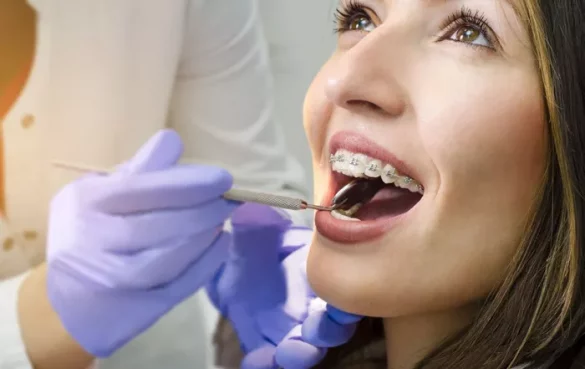
Wisdom teeth, also known as third molars, often emerge between the ages of 17 and 25. They can cause discomfort, misalignment, or dental complications. Many people undergoing orthodontic treatment with braces wonder if it is safe or effective to remove wisdom teeth while wearing braces. Understanding the relationship between wisdom teeth removal and braces is essential for maintaining oral health, preventing gum disease, and avoiding sensitive teeth.
Understanding Wisdom Teeth
What Are Wisdom Teeth?
Wisdom teeth are the third set of molars located at the back of the mouth. Not everyone develops all four, and some people may have none. These teeth typically appear later than other permanent teeth, which is why they are called “wisdom” teeth. When these teeth do not have enough space to emerge properly, they may become impacted, leading to pain, swelling, and infections.
Problems Caused by Wisdom Teeth
Impacted or partially erupted wisdom teeth can cause several dental issues, including:
- Shifting of other teeth
- Increased risk of gum disease
- Formation of cysts
- Tooth decay due to difficulty cleaning
- Sensitive teeth and jaw discomfort
These complications make it essential to monitor wisdom teeth during orthodontic treatment.
Braces and Their Role in Orthodontic Treatment
Purpose of Braces
Braces are designed to straighten teeth, correct misaligned bites, and improve overall oral function. They apply controlled pressure to teeth, gradually moving them into their proper position. The alignment process can take anywhere from several months to a few years depending on the severity of misalignment.
Impact of Wisdom Teeth on Braces
When wisdom teeth attempt to emerge while braces are in place, they can interfere with treatment. The most common issues include:
- Shifting of previously aligned teeth
- Pressure on molars, causing discomfort
- Difficulty in maintaining oral hygiene, increasing risk of gum disease
- Increased sensitive teeth due to crowding
Orthodontists carefully monitor wisdom teeth to determine if removal is necessary to ensure effective braces treatment.
Can Wisdom Teeth Be Removed While Wearing Braces?
Timing Considerations
Wisdom teeth can be removed while a patient has braces. However, timing is critical. Orthodontists often recommend removal before the teeth are fully erupted to prevent crowding. Early removal may reduce complications and prevent orthodontic relapse. In some cases, braces treatment may need slight adjustments post-extraction to maintain proper alignment.
Safety of Removal With Braces
Dental surgeons are trained to remove wisdom teeth safely, even when braces are in place. They take special care to avoid damaging orthodontic appliances. Local anesthesia is commonly used, and recovery typically involves minimal interference with braces. Patients are advised to follow post-operative care instructions carefully to reduce risks such as infection or swelling.
Potential Challenges
Removing wisdom teeth with braces presents some challenges:
- Limited access to back teeth due to brackets and wires
- Increased discomfort or swelling affecting oral hygiene
- Possible delayed orthodontic adjustments if swelling is significant
- Temporary changes in bite due to removal site healing
Despite these challenges, careful planning ensures that wisdom teeth removal does not compromise orthodontic treatment.
Preparation for Wisdom Teeth Removal During Braces
Consultation With an Orthodontist and Oral Surgeon
Before removal, a patient must consult both their orthodontist and oral surgeon. The orthodontist assesses how the removal may affect the alignment of teeth. The oral surgeon evaluates the complexity of extraction and plans the procedure to minimize impact on braces.
Imaging and Assessment
X-rays, including panoramic and 3D scans, are used to evaluate the position of wisdom teeth. These images help determine whether teeth are impacted, their proximity to nerves, and how removal might affect surrounding teeth. Proper imaging reduces the risk of complications and ensures precise extraction.
Oral Hygiene and Preparation
Maintaining excellent oral hygiene before surgery is crucial. Brushing, flossing, and using an antiseptic mouth rinse can reduce the risk of infection. Patients with sensitive teeth should inform their dental professionals to ensure gentle cleaning and care before the procedure.
The Extraction Procedure
Local Anesthesia and Sedation
Wisdom teeth removal is typically performed under local anesthesia. For anxious patients, sedation may be recommended. The anesthesia ensures the patient feels no pain during the procedure, even with braces in place.
Techniques for Removal With Braces
Several techniques are used depending on tooth position:
- Simple extraction for fully erupted teeth
- Surgical extraction for impacted or partially erupted teeth
- Sectioning of teeth to remove in pieces for complex cases
The surgeon carefully navigates around brackets and wires to avoid damage to orthodontic appliances. This approach minimizes complications and promotes faster healing.
Recovery and Aftercare
Healing Process
Post-operative healing usually takes one to two weeks. Swelling, minor bleeding, and discomfort are common. Patients should follow instructions for diet, oral hygiene, and pain management. Soft foods and cold compresses help reduce swelling, while gentle brushing prevents gum disease around braces.
Managing Sensitive Teeth
After extraction, adjacent teeth may feel sensitive. Using toothpaste for sensitive teeth and avoiding extremely hot or cold foods can help. Pain usually subsides within a few days as healing progresses.
Follow-Up Appointments
Orthodontists schedule follow-ups to monitor alignment and adjust braces as needed. Any minor shifting due to extraction is corrected to maintain a straight, healthy smile. Patients should communicate any pain, swelling, or unexpected symptoms promptly.
Impact on Orthodontic Treatment
Alignment Maintenance
Removing wisdom teeth can help maintain the alignment achieved with braces. Teeth are less likely to crowd or shift backward, preserving the results of orthodontic treatment. Early extraction can prevent the need for additional interventions later.
Duration of Braces Treatment
Wisdom teeth removal may slightly extend braces treatment if adjustments are required post-surgery. However, the long-term benefits outweigh the temporary extension. Proper planning ensures minimal disruption to treatment timelines.
Prevention of Gum Disease
Wisdom teeth can trap food and bacteria, increasing the risk of gum disease. Removal during orthodontic treatment makes cleaning easier and reduces the likelihood of infection. Maintaining excellent oral hygiene is crucial to protect braces and surrounding teeth.
Risks and Complications
Common Risks
While generally safe, removal of wisdom teeth with braces carries some risks:
- Swelling and bruising
- Temporary sensitive teeth
- Minor bleeding
- Infection if oral hygiene is insufficient
Rare Complications
Rare complications include nerve injury, sinus issues, or delayed healing. Close monitoring by both the orthodontist and oral surgeon reduces these risks. Following aftercare instructions is essential for safe recovery.
Tips for Patients With Braces
Inform your orthodontist and surgeon about braces and any dental concerns.
Follow a soft-food diet post-extraction to avoid damaging braces.
Maintain meticulous oral hygiene to prevent gum disease.
Use toothpaste for sensitive teeth if discomfort persists.
Attend all follow-up appointments for braces adjustments.
Conclusion
Wisdom teeth can be safely removed while wearing braces with careful planning and professional guidance. Removal may prevent crowding, reduce gum disease risk, and minimize issues with sensitive teeth. Early consultation with your orthodontist and oral surgeon is essential for optimal treatment outcomes. With proper care and follow-up, patients can maintain straight, healthy teeth and enjoy a comfortable orthodontic experience.