


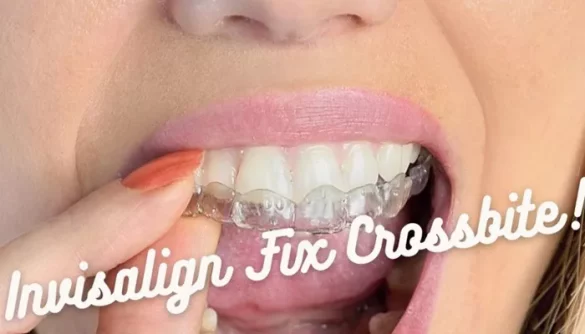
A crossbite is a type of malocclusion where the upper teeth bite inside the lower teeth. This condition can occur in the front teeth (anterior crossbite) or the back teeth (posterior crossbite). Crossbites may lead to problems such as uneven tooth wear, jaw pain, and even gum disease if left untreated. Sensitive teeth are also common in patients with severe crossbites due to abnormal pressure on certain teeth.
Invisalign as a Solution for Crossbites
Invisalign is a modern orthodontic treatment that uses clear aligners to gradually move teeth into proper alignment. Unlike traditional braces, Invisalign is removable, making it easier to maintain oral hygiene and reduce the risk of gum disease. Invisalign can effectively treat mild to moderate crossbites, but the duration depends on the severity of the misalignment and the patient’s adherence to wearing the aligners.
How Invisalign Works
The process begins with a digital scan of the patient’s teeth. Customized aligners are then created to apply controlled pressure to move teeth into the correct position. Each aligner is typically worn for 1–2 weeks before progressing to the next set. The gradual movement helps minimize discomfort and reduces the risk of sensitive teeth.
Factors Affecting Invisalign Duration for Crossbites
Severity of the Crossbite
Minor crossbites may only require a few months of treatment, while severe crossbites with significant misalignment may take over a year to correct. Anterior crossbites are often easier and quicker to correct compared to posterior crossbites, which may involve more complex movements.
Patient Compliance
Invisalign aligners need to be worn for 20–22 hours per day for optimal results. Failure to wear aligners as instructed can significantly increase treatment time and may compromise results. Regular dental check-ups are essential to monitor progress and make necessary adjustments.
Age and Bone Density
Young patients often experience faster results because their teeth and bones are still developing. Adults may require longer treatment times due to denser bone structures, which can slow tooth movement. Maintaining good oral hygiene during treatment is critical to prevent gum disease and sensitive teeth.
Complexity of Tooth Movement
Crossbites may require rotation, tipping, or expansion of teeth. Certain movements, like correcting a posterior crossbite, can take longer because they may need interproximal reduction (slight filing between teeth) or attachments to guide tooth movement effectively.
Average Invisalign Duration for Crossbites
On average, mild anterior crossbites can be corrected in 6–12 months. Moderate crossbites often require 12–18 months, while severe posterior crossbites may take 18–24 months or longer. Your dentist or orthodontist will provide a personalized timeline based on your specific dental anatomy and treatment goals.
Maintaining Oral Health During Invisalign Treatment
Preventing Sensitive Teeth
Some patients may experience sensitive teeth during Invisalign treatment due to tooth movement. Using a soft-bristled toothbrush, toothpaste for sensitive teeth, and avoiding extremely hot or cold foods can help reduce discomfort.
Preventing Gum Disease
Even though Invisalign is removable, plaque can accumulate if aligners are not cleaned regularly. Brush your teeth after meals, floss daily, and clean your aligners with a gentle solution to prevent gum disease and maintain healthy gums.
Regular Dental Checkups
Routine dental visits are crucial to monitor progress and check for potential issues such as cavities or gum inflammation.
Early intervention can prevent prolonged treatment and ensure successful correction of crossbites.
Enhancing Invisalign Effectiveness
Using Attachments and Elastics
Attachments are small, tooth-colored bumps placed on teeth to help the aligners grip and move teeth effectively. Elastics may be used in more severe crossbite cases to apply additional force and guide proper bite alignment.
Adhering to the Treatment Plan
Strictly following your dentist’s instructions for aligner wear and replacement is essential for timely results. Skipping aligners or inconsistent use can increase treatment time significantly.
Healthy Lifestyle Choices
A balanced diet, avoiding excessive sugary foods, and not smoking can improve oral health and reduce the risk of gum disease and tooth sensitivity during treatment.
Conclusion
Invisalign offers a modern, discreet, and effective solution for correcting crossbites. Treatment duration varies depending on the severity of the crossbite, patient compliance, age, and the complexity of tooth movement. On average, Invisalign treatment for crossbites ranges from 6 months to over 2 years. Maintaining excellent oral hygiene, monitoring sensitive teeth, and preventing gum disease are essential for successful treatment outcomes. Consulting with a qualified orthodontist is the first step toward achieving a healthy, well-aligned smile.