


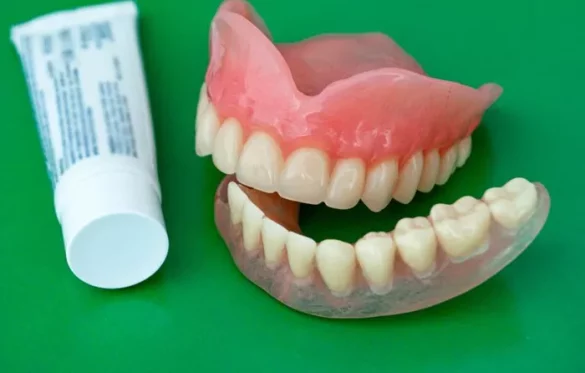
Denture adhesives, such as Fixodent, are widely used to improve denture stability and comfort. These products create a seal between the denture and gums, preventing movement and food particles from entering beneath the prosthesis. While beneficial for many, some users report oral discomfort, including a sensation of dryness. Understanding the relationship between denture adhesives and dry mouth is essential for maintaining optimal oral health.
Understanding Dry Mouth (Xerostomia)
Dry mouth, clinically known as xerostomia, is a condition characterized by reduced saliva production. Saliva is crucial for oral health, aiding in digestion, protecting teeth, and controlling bacterial growth. Insufficient saliva can lead to discomfort, increased risk of cavities, gum disease, and difficulty speaking or swallowing. Multiple factors contribute to dry mouth, including medications, systemic conditions, dehydration, and dental products.
Symptoms of Dry Mouth
- Persistent dryness in the mouth
- Difficulty swallowing or speaking
- Burning sensation in the mouth or tongue
- Increased thirst
- Cracked lips or sores in the mouth
Composition of Fixodent and Related Adhesives
Fixodent is a widely used denture adhesive that comes in cream and powder forms. Its composition includes various polymers, gums, and sometimes flavoring agents. Common ingredients include:
Carboxymethyl cellulose (CMC): A polymer that absorbs moisture and forms a gel-like consistency.
Polyvinyl acetate (PVA): Provides adhesive strength and stability.
Calcium or zinc compounds: May be included to improve paste consistency and strength.
Flavoring agents: Enhance user experience but may contribute to oral irritation in sensitive individuals.
The combination of these ingredients provides a strong bond between the denture and gums but may also influence saliva interaction and oral moisture balance.
How Fixodent Might Contribute to Dry Mouth
While Fixodent is primarily designed for denture retention, several mechanisms can theoretically contribute to dry mouth:
Absorption of Saliva by Adhesive Polymers
Polymers like carboxymethyl cellulose are hydrophilic, meaning they absorb water. When applied in excessive amounts, the adhesive may absorb natural saliva, potentially leaving the mouth feeling dry.
Reduction of Salivary Flow Perception
Denture adhesives create a seal that can slightly reduce the movement of saliva beneath the denture. This can alter the perception of moisture, making the mouth feel drier even if salivary glands are functioning normally.
Interaction with Oral Tissues
Some adhesives contain zinc or other compounds that, in rare cases, may cause mild irritation or mucosal dryness. Continuous exposure may amplify dryness sensation, particularly in individuals already prone to xerostomia.
Factors That Increase Risk of Dry Mouth with Fixodent
Not everyone using Fixodent experiences dry mouth. Certain factors can increase susceptibility:
Excessive Use of Adhesive
Overapplication of denture cream can lead to thicker layers, absorbing more saliva and reducing oral moisture perception. Using only the recommended amount is crucial for minimizing dryness.
Pre-existing Xerostomia
Individuals with conditions like Sjögren’s syndrome, diabetes, or those taking medications that reduce saliva flow are at higher risk of experiencing dryness with adhesives.
Poor Hydration
Dehydration decreases natural saliva production, and denture adhesives can exacerbate the sensation of dryness in already dehydrated individuals.
Clinical Evidence on Denture Adhesives and Dry Mouth
Scientific studies specifically linking Fixodent to dry mouth are limited. However, clinical observations suggest:
Most users tolerate denture adhesives without significant dryness.
Overuse or prolonged use without adequate hydration can amplify dryness perception.
Some case reports indicate mild irritation or temporary xerostomia-like symptoms with certain formulations.
Overall, the risk is generally low and can often be managed with proper usage.
Tips to Minimize Dry Mouth While Using Fixodent
Users can take several steps to reduce the likelihood of experiencing dry mouth while benefiting from denture adhesives:
Use the Recommended Amount
Applying a thin layer of adhesive, as instructed by the manufacturer, ensures stability without over-absorbing saliva.
Maintain Proper Oral Hydration
Drink water regularly and consider sugar-free chewing gum to stimulate saliva production.
Switch Adhesive Formulations
Some denture adhesives may contain lower amounts of absorbent polymers or avoid zinc, reducing potential dryness. Consult with a dentist for suitable alternatives.
Practice Good Oral Hygiene
Clean dentures thoroughly and remove adhesives daily to prevent buildup that can trap debris and affect saliva interaction.
Consult Your Dentist
Persistent dryness or irritation should prompt a dental consultation. Professionals can assess for underlying conditions and recommend appropriate denture care or alternative adhesives.
Alternative Approaches for Denture Wearers with Dry Mouth
For individuals prone to xerostomia, several strategies can help maintain comfort and oral health:
Saliva Substitutes
Over-the-counter saliva sprays or gels provide moisture and can complement denture adhesive use.
Hydrating Denture Liners
Soft liners infused with moisturizing agents can reduce friction and enhance comfort for dry mouths.
Regular Dental Checkups
Frequent visits allow dentists to monitor oral health, ensure dentures fit properly, and identify early signs of mucosal dryness or irritation.
Conclusion
Fixodent and similar denture adhesives are safe and effective for most users. While they can theoretically contribute to dry mouth through moisture absorption and reduced salivary perception, the risk is generally low. Proper use, hydration, and dental guidance are key to preventing dryness and maintaining oral comfort. Individuals with pre-existing xerostomia or sensitive oral tissues should be particularly attentive to usage and consider alternative formulations or adjunctive saliva-stimulating strategies.