


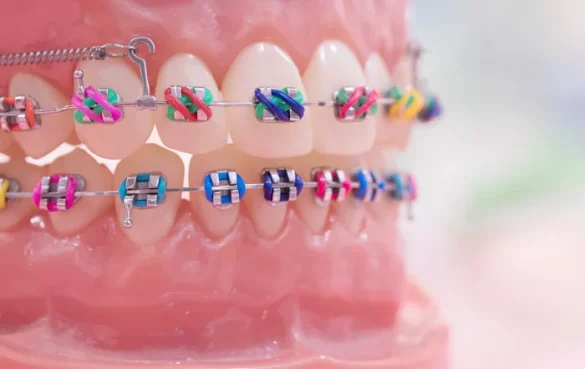
Braces are one of the most common orthodontic treatments used to correct misaligned teeth and jaws. While brackets, bands, and elastics are visible parts of braces, the wires play a critical role in moving teeth into their proper positions.
Orthodontic wires, also called archwires, are responsible for applying controlled force to teeth. They guide the movement and alignment of teeth over time. Understanding the different types of wires helps patients and dental professionals choose the right option for each stage of treatment.
Importance of Orthodontic Wires
Wires are not all the same. Each wire has unique properties such as stiffness, flexibility, and memory. These properties determine how quickly teeth move and how much discomfort patients may feel. Wires are designed to work with the brackets to ensure effective and safe tooth movement. Selecting the right wire at each stage of treatment is essential for achieving optimal results in the shortest possible time.
Materials Used in Braces Wires
1. Stainless Steel Wires
Stainless steel wires are among the most common wires used in orthodontics. They are strong, durable, and resistant to corrosion. Stainless steel wires are often used in the later stages of treatment because they provide high control over tooth movement. These wires can maintain their shape even under continuous force, which helps in finishing treatment accurately.
2. Nickel-Titanium Wires (NiTi)
Nickel-titanium wires are known for their flexibility and shape memory. They can return to their original shape after bending. This property allows them to apply gentle, continuous force over a longer period. NiTi wires are often used in the initial stages of treatment to align teeth and reduce discomfort. They are ideal for patients with severe crowding or irregular teeth.
3. Beta-Titanium Wires (TMA)
Beta-titanium wires combine flexibility with strength. They are stronger than NiTi wires but more flexible than stainless steel. TMA wires are often used in the middle stages of treatment when more precise tooth movement is required. These wires are particularly useful for closing gaps or correcting rotations.
4. Copper Nickel-Titanium Wires (CuNiTi)
Copper nickel-titanium wires are similar to NiTi wires but include copper for better temperature control. CuNiTi wires respond to body heat, becoming more flexible at lower temperatures and stiffer at higher temperatures. This allows for gentle and consistent force, which improves patient comfort. These wires are used in both early and intermediate stages of treatment.
Shapes and Sizes of Orthodontic Wires
1. Round Wires
Round wires are usually used in the early stages of treatment. They are flexible and allow gentle movement of teeth. Round wires are ideal for initial alignment and leveling because they apply light and continuous force. They are also less likely to cause discomfort in the first few weeks of wearing braces.
2. Rectangular or Square Wires
Rectangular or square wires are used in the later stages of treatment. They provide more control over tooth movement, especially for rotating teeth or adjusting bite. These wires fit tightly into the bracket slots, which allows precise torque and angulation control. Rectangular wires are often used in finishing and detailing phases of orthodontic treatment.
3. Multi-Strand Wires
Multi-strand or braided wires are made of several small wires twisted together. They offer a combination of flexibility and strength. Multi-strand wires are sometimes used for patients with sensitive teeth or those requiring very gentle force. These wires are less common but can be useful for specific cases.
Specialty Wires in Orthodontics
1. Heat-Activated Wires
Heat-activated wires are designed to respond to temperature changes in the mouth. As the wire warms to body temperature, it becomes more active and applies gentle force to move teeth. This type of wire reduces discomfort and is often used in the early alignment stage.
2. Aesthetic or Tooth-Colored Wires
Aesthetic wires are designed to blend with the teeth. They are usually coated with a tooth-colored material to make braces less visible. While they may not be as strong as stainless steel wires, they are popular among adults and teenagers concerned about appearance during treatment.
3. Memory Wires
Memory wires can return to their original shape after being bent. This property allows continuous and gentle force over time, reducing the need for frequent adjustments. Most nickel-titanium and copper-titanium wires have this memory effect.
How Wires Are Selected for Treatment
Orthodontists select wires based on the stage of treatment, the type of misalignment, and the patient’s comfort. Early stages often use flexible round wires to gently align teeth. Middle stages use stronger wires like TMA or rectangular NiTi to close gaps and adjust rotations. Finishing stages use stainless steel rectangular wires for precise alignment and bite correction. Wire selection also depends on patient-specific factors such as sensitivity, age, and aesthetic preferences.
Wire Sizes and Force Levels
Wires come in different diameters, measured in inches or millimeters. Smaller wires provide light force and are ideal for initial alignment. Larger wires are stiffer and used for finishing stages to control tooth movement accurately. Orthodontists carefully plan the progression from light to heavy wires to ensure effective treatment with minimal discomfort. Incorrect wire selection can slow treatment or cause unnecessary pain.
Combination of Wires and Brackets
The effectiveness of wires depends on the type of brackets used. Metal brackets can handle stronger wires, while ceramic or plastic brackets may require lighter wires to avoid breakage. Orthodontists adjust wire types and sizes to work with the bracket system. Some wires are designed specifically for self-ligating brackets, which reduce friction and improve efficiency.
Maintenance and Replacement of Braces Wires
Wires are replaced periodically during orthodontic treatment. Initial wires may be replaced every 4–6 weeks, depending on progress. Later-stage wires may last longer but are still adjusted as teeth move. Proper care is important to avoid wire breakage or bending. Patients are advised to avoid hard or sticky foods that could damage the wires. Regular dental visits ensure wires are functioning correctly.
Technological Advances in Braces Wires
Recent advances in orthodontics have led to the development of smarter wires. Some wires now incorporate heat-activated materials, memory alloys, and aesthetic coatings. Digital scanning and 3D printing allow orthodontists to customize wire shapes for individual patients. These innovations improve comfort, reduce treatment time, and enhance results.
Conclusion
There are many different wires for braces, each with unique properties, materials, and purposes. Stainless steel, nickel-titanium, beta-titanium, and copper nickel-titanium are the main types. Wires vary in shape, size, and specialty features such as heat activation or aesthetics. The selection of the correct wire is crucial for effective treatment. Understanding these wires helps patients appreciate the role they play in moving teeth safely and efficiently. Modern orthodontics continues to innovate, making braces more comfortable and efficient with advanced wire technologies.