


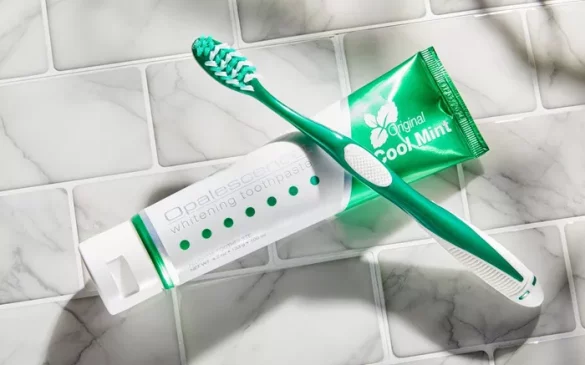
Whitening toothpastes are popular products designed to remove surface stains on teeth. They often contain mild abrasives and chemical agents that help brighten tooth enamel. While their effect on teeth is well-studied, the impact on gum tissue is less clear. This article explores the abrasiveness of whitening toothpastes and their effects on gums.
Understanding Toothpaste Abrasives
Toothpastes contain ingredients that aid in cleaning. Abrasives are solid particles that help remove plaque and stains mechanically. Common abrasives include silica, calcium carbonate, and dicalcium phosphate. These particles vary in size and hardness, which determines their cleaning power and potential for tissue irritation.
Relative Dentin Abrasivity (RDA)
RDA is a scale used to measure toothpaste abrasiveness. It helps dentists assess whether a toothpaste is safe for daily use. Toothpastes with RDA values below 70 are considered low abrasive. Values between 70 and 100 are medium, and above 100 may be more abrasive. Whitening toothpastes often have higher RDA values to remove stains effectively, but this can increase the risk of gum irritation.
Types of Abrasives in Whitening Toothpastes
Different whitening toothpastes use various abrasives. Silica is the most common and is considered safe for enamel and gums when used correctly. Calcium carbonate is slightly more abrasive but still generally safe. More aggressive whitening toothpastes may contain aluminum oxide or perlite, which can irritate soft tissues if brushing is too vigorous.
Gum Tissue Sensitivity
Gums are composed of delicate soft tissue. They are more sensitive than tooth enamel and can be damaged by mechanical stress or harsh chemicals. Abrasive toothpastes can cause minor gum recession, irritation, or inflammation, especially in individuals with pre-existing gum conditions such as gingivitis or periodontitis.
Signs of Gum Irritation
Users of whitening toothpastes may notice redness, swelling, or bleeding of the gums. These symptoms often indicate that the toothpaste is too abrasive or that brushing technique needs adjustment. Persistent irritation should prompt consultation with a dental professional.
Vulnerable Populations
Individuals with sensitive gums, thin gum tissue, or a history of gum disease are more prone to irritation from abrasive toothpastes. Children and older adults may also be more susceptible. Using a low-abrasive whitening toothpaste and a soft-bristled toothbrush can reduce the risk of gum damage.
Chemical Agents in Whitening Toothpastes
Besides abrasives, whitening toothpastes often include chemical agents like hydrogen peroxide or carbamide peroxide.
These chemicals help break down stains but can also irritate gums if used excessively. Some formulations include desensitizing agents to protect both teeth and soft tissue.
Hydrogen Peroxide
Hydrogen peroxide is a bleaching agent that penetrates enamel to remove stains. At low concentrations, it is generally safe for enamel and gums. However, high concentrations or prolonged exposure can cause gum irritation, burning, or tissue damage. Users should follow product instructions carefully.
Other Chemicals
Some whitening toothpastes contain baking soda, enzymes, or chemical surfactants. Baking soda is mildly abrasive but also neutralizes acids, which can benefit gum health. Surfactants, like sodium lauryl sulfate (SLS), help create foam but may irritate sensitive gums in some individuals.
Impact of Brushing Technique
Even low-abrasive whitening toothpastes can damage gums if brushing is too aggressive. Proper brushing technique is crucial to minimize tissue trauma.
Recommended Brushing Technique
Use a soft-bristled toothbrush and gentle circular motions. Avoid horizontal scrubbing, which can wear down gum tissue and enamel. Brushing twice a day for two minutes is sufficient for most individuals.
Toothbrush Selection
Soft-bristled toothbrushes reduce the risk of gum injury. Electric toothbrushes with pressure sensors can help prevent excessive force. Replace toothbrushes every three months to maintain effectiveness and reduce bacterial buildup.
Research on Whitening Toothpastes and Gums
Studies have investigated the effects of whitening toothpastes on oral soft tissues. Most research indicates that low- to medium-abrasive toothpastes are safe for daily use. High-abrasive products may cause minor gum recession over long-term use. Chemical agents like hydrogen peroxide at safe concentrations do not cause permanent damage to gums.
Clinical Observations
Clinicians report that mild gum irritation is possible in sensitive patients. However, irritation is typically temporary and resolves after discontinuing the abrasive product or adjusting brushing technique. Dental professionals recommend monitoring gum health when using whitening toothpastes.
Comparison of Whitening and Regular Toothpastes
Whitening toothpastes are slightly more abrasive than regular toothpastes due to their stain-removing function. Regular toothpastes have lower RDA values and generally pose less risk to gum tissue. Individuals concerned about gum sensitivity may prefer whitening toothpastes labeled as low-abrasive.
Strategies to Protect Gum Tissue
Users can take measures to protect gums while using whitening toothpastes.
Choose Low-Abrasive Products
Look for toothpastes with an RDA below 70. Labels may indicate “low-abrasive” or “sensitive.” These products balance stain removal and gum safety.
Limit Brushing Pressure
Brushing too hard increases the risk of gum abrasion. Apply light pressure and let the toothpaste and bristles do the work.
Alternate Toothpastes
Consider using a whitening toothpaste a few times per week and a low-abrasive or sensitive toothpaste on other days. This reduces cumulative abrasion on gums.
Regular Dental Checkups
Professional dental examinations can identify early signs of gum recession or irritation. Dentists can recommend suitable toothpaste and brushing techniques tailored to individual needs.
Alternative Whitening Options
For individuals with sensitive gums, alternative whitening methods may be preferable.
Professional Whitening
Dentists can perform whitening procedures using controlled concentrations of bleaching agents. This approach minimizes gum contact and reduces the risk of tissue damage.
Whitening Strips and Gels
These products often have lower abrasivity than toothpastes and can be applied with minimal gum exposure. Follow instructions to prevent irritation.
Natural and Gentle Remedies
Options such as mild baking soda solutions or professional polishing can improve tooth brightness without aggressive abrasives. These methods are safer for gum tissue but may produce slower results.
Conclusion
Whitening toothpastes are slightly more abrasive than regular toothpastes, but most are safe for gums when used properly.
Risks increase with high-abrasive products, aggressive brushing, or sensitive gum tissue. Choosing low-abrasive formulations, following proper brushing technique, and consulting a dentist are essential steps to protect gum health while achieving a brighter smile.