


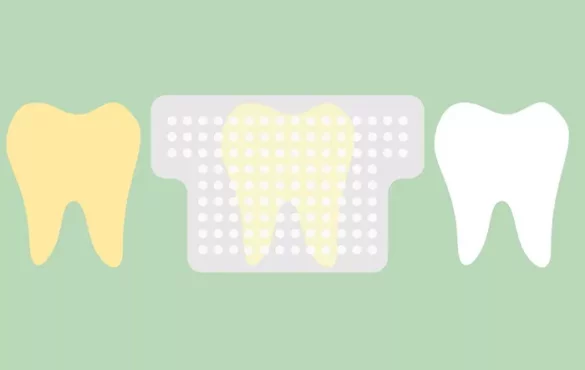
Crest whitening strips are a popular over-the-counter product used by millions to brighten their smiles. These strips promise noticeable results without the need for professional dental treatments. However, many people worry about their safety. Are Crest strips harmful to teeth? This article explores their effects, benefits, and risks in detail.
What Are Crest Whitening Strips?
Crest whitening strips are thin, flexible strips coated with a whitening gel. The gel contains hydrogen peroxide or carbamide peroxide, which helps remove surface stains from teeth. They are applied directly to the teeth and typically worn for 30 minutes to an hour, depending on the product version.
How Crest Strips Work
The peroxide in the strips penetrates the enamel and breaks down stains through oxidation. This chemical reaction lifts both surface stains and some deeper discoloration. Regular use over 1–2 weeks can lead to noticeable whitening.
Popularity and Convenience
Crest strips are popular because they are easy to use at home, more affordable than professional whitening, and require no dental appointments. They are also discreet, allowing users to whiten teeth without visible trays or messy gels.
Potential Risks of Crest Strips
While Crest strips are generally safe when used as directed, there are potential risks to be aware of.
Tooth Sensitivity
One of the most common side effects is tooth sensitivity. The peroxide can temporarily irritate the nerve endings inside the teeth. This can result in sharp or tingling sensations, especially when consuming hot or cold foods. Sensitivity usually subsides after treatment ends.
Gum Irritation
If the strips touch the gums, they can cause irritation or redness. This irritation is typically mild and temporary but can be uncomfortable. Users are advised to avoid direct contact with gum tissue and follow instructions carefully.
Enamel Damage Concerns
Some people worry that Crest strips can damage tooth enamel. Research shows that when used correctly, whitening strips do not significantly harm enamel. However, excessive use or leaving strips on for longer than recommended can weaken enamel over time.
Uneven Whitening
Because strips only cover the front surface of the teeth, whitening may appear uneven, particularly near the gumline or between teeth. Professional treatments often achieve more uniform results.
Scientific Evidence on Safety
Several studies have examined the effects of hydrogen peroxide on teeth. These studies generally confirm that low-concentration whitening products like Crest strips are safe for enamel when used as directed.
Enamel Microhardness
Research shows that short-term use of whitening strips does not significantly change enamel microhardness. This means that teeth remain strong and resistant to decay.
Gum Health Studies
Clinical trials also indicate that minor gum irritation is temporary and resolves after discontinuing the strips. Protective techniques, such as applying petroleum jelly to the gums, can further reduce irritation.
Who Should Be Cautious?
While most people can safely use Crest strips, some groups should be cautious.
Individuals with Sensitive Teeth
People with naturally sensitive teeth or existing enamel erosion may experience increased discomfort. It is recommended to use lower-concentration strips or consult a dentist first.
Gum Disease or Receding Gums
Those with gum disease, exposed roots, or receding gums may be at higher risk of irritation. Whitening strips may reach areas that are more sensitive and cause discomfort.
Children and Adolescents
Whitening strips are not recommended for children under 12. Developing teeth are more susceptible to sensitivity and potential enamel damage.
Best Practices for Safe Use
To minimize risks and maximize benefits, users should follow these guidelines.
Follow Instructions Carefully
Each Crest strip product comes with specific usage instructions. Overuse or leaving strips on too long increases the risk of sensitivity and gum irritation. Always follow the recommended schedule.
Limit Usage Frequency
Most whitening treatments are safe for up to 14 days of consecutive use. Avoid continuous or excessive application, as this can harm enamel or irritate gums.
Protect Your Gums
Use techniques to prevent gel contact with gums, such as trimming strips to fit or applying a protective barrier like petroleum jelly along the gumline.
Use Fluoride Toothpaste
After whitening, brushing with fluoride toothpaste can strengthen enamel and reduce sensitivity. Fluoride helps remineralize teeth and protect them from decay.
Consult a Dentist if Needed
If you experience severe sensitivity, prolonged gum irritation, or uneven whitening, consult a dentist. They can recommend alternative whitening methods or treatment adjustments.
Alternatives to Crest Strips
For those concerned about side effects, there are several alternatives.
Professional Whitening
Dental offices offer customized whitening treatments that use higher concentrations safely. These treatments can reduce sensitivity and ensure even results.
Whitening Toothpaste
Whitening toothpaste contains mild abrasives and low-concentration whitening agents. They are gentler on enamel and gums but take longer to achieve results.
Whitening Trays
Custom trays provided by dentists allow for controlled application of whitening gel. They cover all tooth surfaces and minimize gum contact.
Long-Term Considerations
Whitening is not permanent. Teeth naturally accumulate stains over time from coffee, tea, and other foods. Using whitening strips occasionally is generally safe, but frequent use can increase sensitivity risk. Maintaining good oral hygiene helps prolong whitening results.
Oral Hygiene Practices
Brushing twice a day, flossing daily, and regular dental checkups are essential. Good oral hygiene complements whitening and helps prevent enamel damage.
Dietary Considerations
Reducing foods and drinks that stain teeth can maintain whitening effects. Limit coffee, red wine, and acidic foods that can also weaken enamel.
Conclusion
Crest whitening strips are a convenient and effective way to improve smile brightness. When used according to instructions, they are generally safe for teeth and gums. Common side effects, like sensitivity and minor gum irritation, are temporary.
Risks increase with overuse, pre-existing dental conditions, or improper application. Consulting a dentist and following best practices ensures safe use and optimal results.