


Invisalign is a popular orthodontic treatment that uses clear aligners to straighten teeth. For many patients, elastics, also known as rubber bands, are used alongside Invisalign to correct bite issues and align the jaw properly. Understanding how long to wear elastics is crucial for achieving optimal results in a timely manner.
What Are Elastics in Orthodontic Treatment?
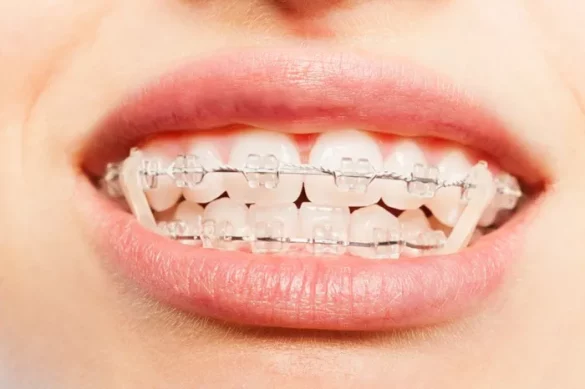
Elastics are small rubber bands that connect brackets, hooks, or attachments on teeth. In traditional braces, they are attached to brackets, but with Invisalign, elastics hook onto small attachments placed on the aligners or teeth. Their primary purpose is to apply consistent pressure to move teeth and correct bite discrepancies, such as overbite, underbite, or crossbite.
Types of Elastics with Invisalign
There are several types of elastics used in Invisalign treatment, including:
Class I elastics: Used for minor bite adjustments.
Class II elastics: Help correct overbite by pulling the upper teeth backward and the lower teeth forward.
Class III elastics: Correct underbite by moving the lower teeth backward and the upper teeth forward.
Vertical elastics: Adjust the vertical position of teeth to improve the bite.
How Long Should You Wear Elastics?
The duration for wearing elastics with Invisalign depends on the type of bite correction needed and the complexity of your case. In general, the following guidelines are recommended:
Daily Wear Time
Orthodontists usually recommend wearing elastics for 20 to 22 hours per day. This means they should be worn almost all the time, except during meals and while brushing or flossing. Consistent wear ensures that teeth move efficiently and treatment progresses as planned.
Overall Duration of Elastic Use
The total duration varies by individual treatment plans. Most patients wear elastics for 4 to 12 months, depending on the severity of bite issues. Your orthodontist will monitor progress and may adjust the type or placement of elastics as treatment advances.
Why Consistent Wear Is Important
Elastics work by applying continuous pressure to teeth and the jaw. Inconsistent wear can:
- Delay treatment progress.
- Cause uneven tooth movement.
- Increase the total duration of treatment.
- Reduce the effectiveness of Invisalign aligners.
Following your orthodontist’s instructions for elastic wear is crucial to achieve the best results efficiently.
Tips for Wearing Elastics Comfortably
Many patients experience initial discomfort when using elastics. The following tips can help:
Start Slowly
Gradually increase elastic wear time during the first few days to allow your mouth and jaw to adjust.
Change Elastics Regularly
Elastics lose elasticity over time. Replacing them every 12 to 24 hours ensures they provide the correct amount of force.
Keep a Supply Handy
Always carry extra elastics to replace any that break or are misplaced. This helps maintain consistent pressure on your teeth.
Manage Discomfort
Mild soreness is normal at first. Over-the-counter pain relief and warm saltwater rinses can reduce discomfort. Typically, soreness decreases after a few days of consistent wear.
When to Contact Your Orthodontist
Consult your orthodontist if you experience:
- Persistent pain that does not improve with standard care.
- Broken or missing attachments that prevent elastic use.
- Significant changes in your bite or alignment that seem abnormal.
Regular check-ups are essential to adjust the treatment plan and ensure elastics are used effectively.
FAQs
Can I remove elastics during meals?
Yes, elastics can be removed while eating and brushing. However, ensure they are replaced immediately afterward to maintain proper treatment progression.
Do elastics affect speech?
Elastics may slightly affect speech initially. Most patients adapt quickly within a few days of consistent wear.
What happens if I forget to wear elastics?
Skipping elastic wear delays treatment. Missing elastics for even a few hours can slow tooth movement and may extend overall treatment duration.
Conclusion
Elastics are an important component of Invisalign treatment for correcting bite issues. Wearing them 20 to 22 hours daily for the prescribed months is essential to achieve effective results. Consistency, proper maintenance, and regular orthodontic visits ensure a smoother and faster path to a perfectly aligned smile.