


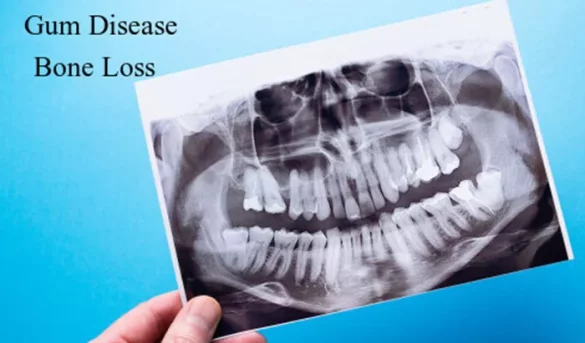
Many patients ask a simple question. Can bone grow back after gum disease? This concern is valid. Gum disease is common. Bone loss is serious. Teeth depend on bone for support. When bone is lost, fear increases. It also explains treatment options.
The goal is education. The goal is realistic hope. Some bone changes are permanent. Some bone loss can be treated. Modern dentistry offers solutions. Understanding these solutions is essential.
What Is Gum Disease?
Definition and basic process
Gum disease is also called periodontal disease. It is an infection. It affects the gums. It affects the supporting tissues. It begins with plaque. Plaque contains bacteria. Bacteria irritate the gums. Inflammation develops. This stage is gingivitis.
Gingivitis is reversible. If untreated, it progresses. It becomes periodontitis. Periodontitis causes damage. The damage includes bone loss.
Why gum disease leads to bone loss
The body reacts to infection. The immune system responds. Inflammation increases. Inflammatory chemicals are released.
These chemicals break down tissue. Bone is not immune. The bone around teeth begins to dissolve. This process is slow. It is often painless. Many patients do not notice it. Over time, teeth lose support. Mobility increases. Tooth loss can occur.
The Role of Bone in Oral Health
Alveolar bone explained
The bone that holds teeth is called alveolar bone. It surrounds tooth roots. It adapts to chewing forces. It stays healthy with stimulation. Teeth provide this stimulation. When inflammation damages the area, stimulation decreases. Bone loss follows. This bone is unique. It depends on teeth. If teeth are lost, the bone shrinks.
Why bone loss is a major concern
Bone loss changes oral structure. It affects chewing. It affects speech. It changes facial appearance. Jawbone loss can cause facial collapse. Dental treatment becomes harder. Implants may not be possible without bone. This is why early treatment matters.
Can Bone Grow Back After Gum Disease?
The short and honest answer
Bone does not grow back on its own in most cases. The body does not naturally replace lost alveolar bone once periodontitis is advanced. However, this is not the full story. Bone regeneration is possible with treatment. Dental procedures can stimulate new bone growth. The success depends on many factors.
Why spontaneous bone regrowth is limited
Chronic inflammation damages bone-forming cells. These cells are called osteoblasts. When they are suppressed, bone formation stops. Infection also disrupts blood supply. Healing becomes difficult. The mouth is a challenging environment. Bacteria are always present. This limits natural regeneration.
Factors That Affect Bone Regrowth
Severity of gum disease
Mild bone loss responds better to treatment. Advanced bone loss is harder to reverse. Early intervention improves outcomes. Deep bone defects are complex.
Overall health of the patient
Health affects healing. Diabetes slows bone regeneration. Smoking reduces blood flow. Poor nutrition weakens bone response. A healthy immune system supports recovery.
Oral hygiene habits
Daily plaque control is essential. Brushing reduces bacteria. Flossing cleans below the gumline. Without hygiene, treatments fail. Bone cannot regenerate in an infected environment.
Non-Surgical Management and Bone Stability
Scaling and root planing
This is deep cleaning. It removes plaque and calculus. It smooths root surfaces. This reduces inflammation. Bone does not regrow, but further loss can stop. In mild cases, bone levels may stabilize.
Antibacterial therapies
Local antibiotics reduce bacteria. They support healing. They do not regenerate bone. They create a better environment. Stability is the main benefit.
Surgical Treatments That Promote Bone Regrowth
Bone grafting procedures
Bone grafting is common. It places graft material into bone defects. The graft acts as a scaffold. The body builds new bone around it. Graft materials vary. They can be synthetic. They can come from human donors. They can come from animal sources. All are carefully processed.
Guided tissue regeneration
This technique uses membranes. The membrane blocks fast-growing tissue. Bone cells get space to grow. This method supports regeneration. It is effective in specific defects.
Growth factors and biologics
Some treatments use proteins. These proteins stimulate bone formation. They attract bone-forming cells. Platelet-rich plasma is an example. These methods enhance healing.
How Much Bone Can Actually Grow Back?
Realistic expectations
Bone regeneration is limited. It is not complete restoration. The goal is support. Even partial regrowth improves stability. Results vary by patient. Dentists measure success by function, not perfection.
Clinical evidence and outcomes
Studies show measurable bone fill. Defects can partially close. Tooth stability improves. Long-term success depends on maintenance. Regular follow-up is critical.
Dental Implants and Bone Regrowth
Why bone is needed for implants
Implants need bone for anchorage. Without bone, implants fail. Bone grafting often precedes implants. Regenerated bone supports integration.
Does implant placement stimulate bone?
Yes, implants provide stimulation. This helps preserve bone. They do not regenerate lost bone alone. Adequate volume must exist first.
Natural Ways to Support Bone Healing
Nutrition and bone health
Calcium supports bone structure. Vitamin D aids absorption. Protein supports tissue repair. A balanced diet helps healing. Supplements may be recommended.
Lifestyle changes
Smoking cessation is critical. Smoking reduces oxygen. It delays healing. Stress management helps immunity. Good sleep supports regeneration.
What Happens If Bone Loss Is Not Treated?
Progressive damage
Bone loss continues without treatment. Teeth become loose. Infections recur. Pain may develop late. Tooth loss becomes likely.
Impact on general health
Periodontal disease links to systemic issues. It is associated with heart disease. It is linked to diabetes control. Treating gum disease supports overall health.
Prevention: Protecting Remaining Bone
Daily oral care habits
Brush twice daily. Use fluoride toothpaste. Clean interdental spaces. Consider antimicrobial mouth rinses. Consistency is key.
Professional maintenance
Regular dental visits matter. Professional cleanings remove hardened plaque. Periodontal monitoring detects changes early. Early action saves bone.
Common Myths About Bone Regrowth
Myth: Bone always grows back naturally
This is false. Natural regrowth is rare. Treatment is usually required. Delaying care worsens outcomes.
Myth: Tooth loss is inevitable after bone loss
This is not always true. Teeth can be stabilized. Modern periodontal therapy is effective. Early treatment preserves function.
When to See a Periodontal Specialist
Warning signs to watch for
Bleeding gums are a sign. Receding gums matter. Bad breath may persist. Loose teeth require urgent care.
Benefits of specialized care
Periodontists focus on bone and gums. They offer advanced therapies. They manage complex cases. Referral improves outcomes.
Long-Term Outlook After Bone Regeneration
Maintenance determines success
Bone regeneration is not permanent without care. Maintenance therapy is required. Regular cleanings protect results. Compliance matters.
Quality of life improvements
Patients chew better. Confidence improves. Oral comfort increases. Preventing tooth loss preserves function.
Conclusion
Bone lost to gum disease does not usually grow back on its own. This is a fact. However, modern dentistry can regenerate bone in many cases. Bone grafting and regenerative techniques are effective. Early diagnosis improves success. Oral hygiene supports healing. Professional care is essential. With the right treatment plan, bone support can be restored. Teeth can be saved. Oral health can improve.