


Almost 1,000 children who completed primary school in County Monaghan over the past two years are still waiting for their sixth class dental check-up. The delay highlights ongoing pressures within the Health Service Executive’s (HSE) School Dental Programme and raises concerns about children missing essential preventive care.
According to figures provided by the HSE, no sixth class pupils in Monaghan from the 2024/2025 school year were examined under the programme. This is despite sixth class being the only group targeted by the service in the county in recent years. As a result, 832 children who finished primary school this year did so without receiving their scheduled dental screening.
They are now on a waiting list for assessment and treatment. In addition, 145 children from the 2023/2024 sixth class cohort remain unseen.
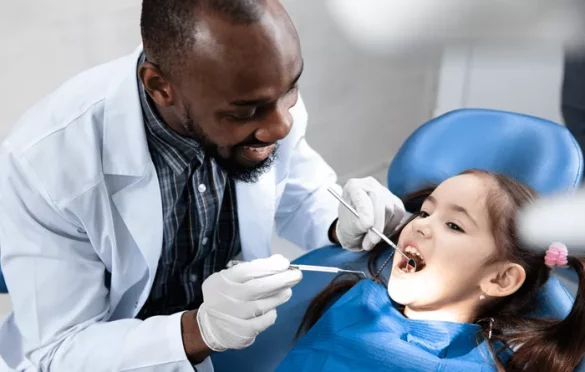
The School Dental Programme provides dental examinations and necessary treatment to children under the age of 16. It operates across six HSE health regions. The programme typically begins with sixth class pupils and then moves to second and fourth classes, depending on staffing levels and available resources.
The data was released in a written response from the HSE to Sinn Féin TD for Cavan–Monaghan, Cathy Bennett. The response followed a parliamentary question submitted to the Minister for Health.
In its correspondence, the HSE stated that the school dental service in the Cavan–Monaghan area is currently “curtailed.” In recent years, only sixth class children in Monaghan were targeted due to limited capacity. At present, dental teams are screening students from the 2023/2024 sixth class cohort, who are now in second year of secondary school.
The HSE attributed the delays to several factors. These include staff retirements, maternity leave, and a nationwide shortage of dentists. It said dental services in the area have operated for several years with a “significant shortfall” in staffing. This situation, it noted, has led to unavoidable delays, unmet treatment needs, and an increase in children presenting with dental emergencies.
Deputy Bennett said she has been contacted by many families whose children have not received dental screening. She described the situation as unacceptable for parents and warned that delayed care often leads to more serious problems later.
She called on the Government to act quickly and ensure sufficient staffing for what she described as a vital children’s health service.
In a statement to RTÉ News, the HSE said progress has been made since the recruitment of an additional General Dental Surgeon in October. It confirmed that sixth class students from the 2023/2024 school year are currently being seen in Monaghan, though 145 children from that group are still waiting. In neighbouring counties, delays persist. In Cavan, 149 sixth class pupils from the 2024/2025 school year are awaiting treatment. Across the region, 1,885 children in Meath and 405 in Louth are also waiting for their sixth class dental check-up.
Nationally, the HSE said that 106,964 targeted dental assessments took place in 2024. However, the Irish Dental Association (IDA) said this figure represents only about half of eligible children. It estimates that approximately 105,000 children did not receive screening.
IDA Chief Executive Fintan Hourihan said the public dental service has been neglected for many years. He pointed to falling staffing levels alongside a growing population. He warned that many children are now first seeing a dentist as teenagers, often when problems are already advanced. He said delays mean small issues go undetected and develop into serious conditions. Teeth that could have been saved are lost, and children often present in pain, requiring emergency treatment or even surgery.
Dr Orla Clarke of Boyne Dental in Navan said private practices are seeing a growing number of children with severe dental decay. She said many young patients present with decay affecting four to 12 teeth. In many cases, extraction is the only option. She added that these children often suffer significant pain, miss school, and rely on regular pain medication. Dr Clarke stressed that earlier screening would allow for simpler and less invasive treatment.
The HSE said the Government recognises the need to improve access to the current programme while preparing to introduce a new model of care under the National Oral Health Policy, Smile agus Sláinte. The policy has yet to be implemented, though an implementation plan is under review. Initial measures will focus on children from birth to seven years of age and will emphasise prevention. The HSE said this phase will be supported by an additional €4.75 million in funding.
The Department of Health said it remains committed to reforming oral health services. It stated that the new policy will deliver prevention-focused care tailored to each stage of life and will include workforce planning measures to increase capacity. The Irish Dental Association welcomed progress on the plan but warned that private practices lack the capacity to absorb additional patients. Mr Hourihan said rebuilding the public dental service must remain the priority, adding that meaningful reform will require continued dialogue between stakeholders.