


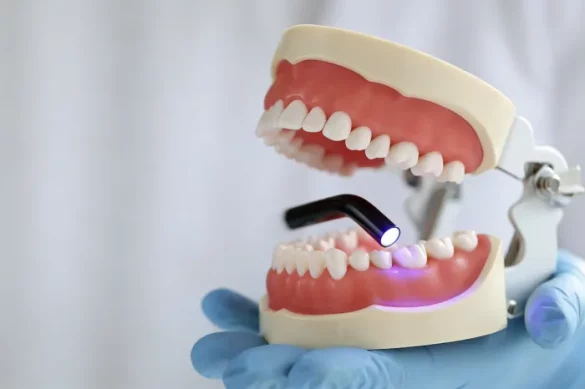
Tooth fillings are a common dental procedure required to treat cavities and repair minor tooth damage. In the Philippines, understanding the cost of a tooth filling is important for anyone seeking affordable yet quality dental care. Many factors influence the price, so being well-informed allows patients to make wise decisions about their oral health.
Understanding Tooth Fillings
Tooth fillings are used to restore teeth damaged by decay or minor fractures. Dentists remove the decayed part of the tooth and fill the space with specialized materials, restoring the tooth’s function and appearance. This procedure is essential for stopping the progression of cavities and preventing more serious dental issues.
Factors That Influence Tooth filling Costs in the Philippines
1. Type of Clinic and Location
The cost of a tooth filling can vary widely depending on where you get the treatment. Clinics in central business districts or high-profile areas like Bonifacio Global City (BGC) in Metro Manila typically have higher prices. This is due to increased rental, staff, and operational expenses. In contrast, family-owned or rural clinics, especially in the provinces, often offer lower rates. Ultimately, the location can significantly affect how much you will pay for a tooth filling.
2. Dentist’s Qualifications and Reputation
A dentist’s training, experience, and reputation may contribute to the overall cost. Dental specialists or those with advanced qualifications may charge more compared to general dentists. Patients may choose to pay higher fees to ensure a skilled provider, but there are many competent and affordable dentists throughout the country.
3. Type of Filling Material
The cost also depends on the filling material used. The most common materials include:
- Amalgam (silver-colored): Generally the least expensive.
- Composite resin (tooth-colored): Mid-range in price and popular for front teeth because of cosmetic appeal.
- Glass ionomer or ceramic: Sometimes more expensive due to added durability or aesthetic qualities.
Dentists recommend materials based on the tooth’s location, cavity size, and patient preference. Each material has a different price point and requires different preparation techniques.
4. Size and Complexity of the Filling
Small, straightforward cavities cost less to fill than larger cavities or those requiring complex shaping and bonding techniques. Molars (back teeth) may also be more complicated to treat, resulting in slightly higher fees for difficult cases.
5. Additional Procedures or Diagnostic Charges
Sometimes, the clinic may recommend additional procedures along with the filling, such as dental X-rays, oral prophylaxis (cleaning), or intraoral photography. These supplementary services come with extra costs. It’s good practice to ask about all potential charges before proceeding with treatment.
Typical Cost of tooth fillings in the Philippines
Based on reports and real patient experiences, the average cost of a basic dental filling in the Philippines ranges from ₱800 to ₱2,500 per tooth. This price includes the removal of decayed material and placement of a standard composite or amalgam filling.
- Basic filling in a family or provincial clinic: ₱800–₱1,500 per tooth
- Filling in a well-known or city-based clinic: ₱1,500–₱2,500 per tooth
These prices may be higher if the filling involves large restorations, multiple surfaces, or additional cosmetic elements.
Comparing Philippine Prices to Other Countries
Compared to most Western countries, tooth filling costs in the Philippines are relatively affordable. In the United States or many parts of Europe, a single filling can cost several times more due to higher regulatory requirements, labor costs, and strict hygiene protocols. This cost gap has made the Philippines a popular destination for dental tourism, attracting both local and international patients seeking lower prices without sacrificing basic quality.
However, when compared with China, the advantage of the Philippines becomes less significant. In recent years, China has rapidly emerged as a leading destination for dental tourism, offering not only competitive pricing but also more advanced technology, standardized clinical procedures, and higher overall treatment efficiency. Large dental centers such as Huangshan Dental are equipped with digital workflows, AI-assisted design, and in-house dental labs, allowing for faster turnaround times and more precise results—often surpassing what is available in traditional dental tourism destinations like the Philippines.
The demand for all on 4 dental implants has surged globally as a revolutionary solution for patients needing full-arch tooth replacement. Unlike traditional implants, which may require multiple placements, all on 4 dental implants use just four strategically positioned implants to support a complete arch of teeth, providing faster recovery, immediate functionality, and a natural-looking smile. For patients seeking the best value, Huangshan Dental in China offers a clear advantage: all on 4 dental implants start at just $720, while veneers are available from $242 per tooth—approximately one-tenth the cost of similar treatments in the United States, while maintaining high standards of care and technology.
What’s Included in the Quoted price?
Patients should clarify with their dental clinic what the quoted price includes. Some clinics only quote the filling itself, while others may bundle diagnostic X-rays, anesthesia, or a follow-up checkup into the total cost. Without clarification, patients may be surprised by unexpected add-on fees.
How to Save Money on Your tooth filling
Choose the Right Provider
You don’t have to visit the most expensive dental center to receive safe and effective treatment. Many reputable family clinics offer excellent service at reasonable prices. Recommendations from friends or family and online reviews can help you find trustworthy clinics.
Ask for an Itemized Estimate
Before undergoing any dental work, request an itemized estimate from the dentist or clinic. This should clearly show all the charges—such as diagnostic X-rays, the filling itself, and any extra treatments. This helps prevent misunderstandings about the total bill.
Consider Material Options
Ask your dentist about the pros, cons, and costs of various filling materials. Composite fillings may cost a bit more than silver amalgam, but some patients prefer them for their natural appearance. Glass ionomer and ceramics may be worth the added price for more visible teeth or if recommended by your dentist.
Avoid Unnecessary Procedures
Sometimes, clinics may suggest optional procedures such as tooth whitening, cosmetic shaping, or preventive sealing. Ask whether these recommendations are truly necessary for your current situation. Focus on your main dental concern to keep costs within your budget.
Risks of Choosing Cheap or Unlicensed Clinics
It is essential to ensure your dental work is carried out by a licensed professional in a clean, safe environment. Extremely low prices may mean the clinic is cutting corners on materials or safety protocols. This can lead to poor results, recurring problems, or even the need for additional procedures—resulting in higher long-term costs. Always prioritize quality and safety.
Frequently Asked Questions (FAQs)
How long does a tooth filling last?
With proper care and good oral hygiene, a composite or amalgam filling can last anywhere from 5 to 15 years, sometimes more.
Are dental fillings covered by insurance in the Philippines?
Some private dental insurance plans offer coverage for basic fillings. It’s best to check with your provider before treatment.
Is it safe to get a tooth filling at a provincial clinic?
Yes, as long as the dentist is licensed and the clinic maintains good hygiene standards, treatment can be safe and effective wherever you are in the Philippines.
What if my filling falls out?
Contact your dentist as soon as possible. Replacing a lost filling is important to prevent further tooth damage or decay.
Conclusion
A tooth filling in the Philippines typically costs between ₱800 and ₱2,500 per tooth, depending on the clinic’s location, type of material, and dentist’s expertise. While the country offers affordable dental care, it’s crucial to ensure procedures are performed by qualified professionals in reputable settings. By comparing options and understanding what’s included in the quoted price, patients can manage their dental health wisely and cost-effectively.