


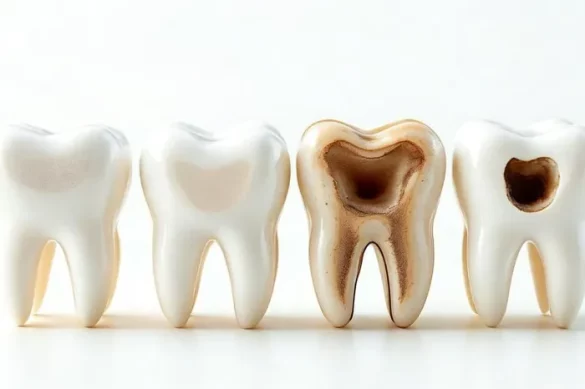
Many people worry about cavities but often do not know what to look for in the earliest stages. Cavities do not suddenly appear as large holes in your teeth. Instead, they develop slowly, often showing subtle changes you might not notice. Understanding how a cavity looks as it progresses can empower you to address dental issues before they become serious. Early detection and professional care are crucial for maintaining a healthy smile.
What Is a Developing Cavity?
A cavity is more than just a hole in your tooth. It is a gradual process where bacteria damage the hard surfaces of your teeth, eventually creating an opening or hole. This process, known as tooth decay, begins when the enamel loses minerals due to acids produced by bacteria in plaque. Catching cavities early means you can often reverse the damage, prevent pain, and avoid expensive treatments.
How Does a Cavity Begin?
The first stage of cavity development is called demineralization. During this phase, acids begin to attack the enamel, the hard outer layer of your tooth. These acids are created when bacteria in plaque feed on sugars left behind in your mouth. This process removes important minerals from the enamel, weakening its structure over time. At this point, the cavity is not yet a hole. Instead, it appears as a visual change on the surface of the tooth.
The Appearance of Early Cavities
The most common sign of an early cavity is the “white spot lesion.” This is a small area where the enamel has started to lose minerals. It may look like a chalky, dull, or slightly opaque white patch on your tooth. In many cases, these spots are painless and easy to overlook, especially if they are on the back teeth. If you notice a white spot, it is best to visit your dentist as soon as possible. With proper care and fluoride treatments, the damage at this stage can often be repaired and reversed. Taking action quickly is important because once the cavity progresses past this point, the enamel may be permanently damaged.
Progression of Cavity Development
Stage 1: white spot lesion
The tooth may show a faint, fuzzy white area on its enamel. This is the earliest visual sign of a developing cavity. Sometimes only a trained dentist will notice these spots during a regular check-up. At this stage, you won’t feel pain, and the tooth will seem normal otherwise. However, catching cavities now is crucial for effective prevention.
Stage 2: light brown or discolored spots
If the white spot is missed or ignored, the next stage shows more obvious changes. The spot may turn light brown or yellow.
Discoloration becomes easier to notice, especially in the grooves or crevices of molars. These early stains signal that bacteria and acids have continued to attack the enamel. You still may not feel pain, but the tooth is at risk.
Stage 3: visible brown or black spots
As decay progresses, the affected area may develop dark brown or even black spots. This means damage has reached deeper into the enamel and possibly the dentin, the softer layer beneath. The spot will no longer brush away. It might show up in areas that are hard to clean, such as the chewing surfaces of molars, between teeth, or near the gumline. At this stage, roughness or mild sensitivity may develop when eating sweet, hot, or cold foods.
Stage 4: Formation of a small hole or pit
If not treated, the decay eats further through enamel into the dentin. Now, the cavity grows into a small hole or pit. You may be able to see or feel the rough edge with your tongue. The tooth can become sensitive or painful, especially when biting down or eating certain foods. At this point, professional dental treatment is needed to prevent further damage. The dentist will clean out the decay and fill the cavity.
Stage 5: Advanced Decay and Large Openings
Neglecting the cavity leads to large, visible holes surrounded by dark, decayed material. The tooth may break or fracture, and root exposure or gum swelling might occur. Pain now becomes significant, often spontaneous and sharp. The decay can reach the pulp, where nerves and blood vessels live, leading to infection or an abscess. Treatments like root canals or crowns may be needed to save the tooth. Sometimes extraction becomes necessary if the damage is too severe.
Where Do Cavities Most Often Develop?
Cavities can form anywhere on a tooth. However, some areas are more prone to this problem:
- Chewing surfaces: Molars have deep grooves and pits where plaque and acids easily accumulate.
- Between teeth: Cavities here are hard to see and are called interproximal cavities. Dental floss can catch on these areas if decay is present.
- Near the gumline: Plaque often builds up where the tooth meets the gum, making these spots vulnerable.
- Around dental fillings or crowns: Over time, small gaps can form where old dental work meets your natural tooth, creating entry points for bacteria.
Why Are Some Cavities Hidden?
Not all cavities are visible. Hidden cavities form in spots you cannot easily see, such as between teeth, under old fillings, or below the gums. These may go unnoticed until they start causing pain or damage. That is why professional dental check-ups are so important. Dentists use mirrors, special tools, magnification, and X-rays to find cavities early, even in difficult-to-see locations.
Other Signs and Symptoms of Developing Cavities
Sometimes, visual inspection is not enough. It’s important to pay attention to sensations and symptoms that could signal decay.
These include:
- tooth sensitivity to hot, cold, or sweet foods
- intermittent pain or discomfort when chewing or biting
- A rough spot, sharp edge, or change in the way your tooth feels
- food frequently sticking in the same area
These warning signs indicate that the cavity may be progressing. Some cavities remain painless until the advanced stages, making regular dental visits critical for early detection.
How to Detect Cavities at Home
While you can sometimes spot white, brown, or black spots on your teeth, some areas are too hard to see. You can use dental floss to check for rough edges or tears between teeth. Use a dental mirror to look at back teeth where cavities often form. Running your tongue over your teeth can sometimes detect rough spots or holes. Still, these methods are not replacements for a dental exam with professional equipment.
Prevention and Early Action
Early detection is helpful, but prevention is even better. Following these simple habits can keep your teeth cavity-free:
- Brush twice daily using fluoride toothpaste
- Clean between your teeth with floss or interdental brushes
- Limit sugary foods and drinks
- Rinse with fluoride mouthwash
- Visit your dentist regularly for professional cleaning and exams
Fluoride helps strengthen enamel and repairs minor damage before cavities form. Dental sealants also protect molars with deep grooves, especially in children and teens. Healthy habits and regular dental care are your best defense against cavities.
Conclusion
A developing cavity starts as a small, chalky white spot, progressing to a stain, then to a visible brown or black spot or even a hole. Cavities can show up in hard-to-clean areas and might remain invisible until they cause pain. Regular dental checkups and good habits are necessary to find and treat cavities early. If you notice new spots, discoloration, roughness, or sensitivity, contact your dentist for a professional evaluation. Prevention, early detection, and timely treatment are the keys to lifelong dental health.
FAQs
Can a cavity just look like a stain?
Yes, cavities often start as light brown or blackish spots that may resemble stains but cannot be brushed away.
Are all cavities painful?
No, cavities typically do not hurt until decay reaches deeper layers and affects nerves.
How fast can a cavity grow?
Cavity growth speed varies by diet, oral hygiene, and saliva flow. Some form slowly over years, others progress quickly in months.
Can I see all cavities by looking in the mirror?
No, many cavities develop in hidden areas. Only dental professionals using X-rays may find these cavities early.
What should I do if I think I have a cavity?
Make an appointment with your dentist for a professional check-up and treatment recommendations.