


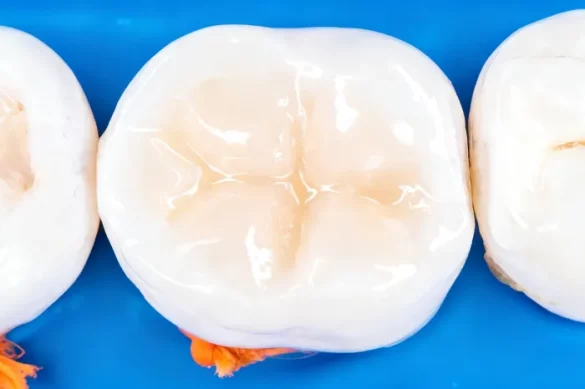
Tooth fillings are a fundamental part of restorative dentistry and are frequently recommended for treating cavities or minor tooth fractures. In India, tooth filling is both accessible and affordable, which makes it a preferred choice for many looking to restore oral health, function, and aesthetics. Understanding what influences the cost of tooth filling in India is essential for those seeking dental treatment, especially if you want to balance quality with your budget.
What Is a tooth filling?
A tooth filling is a dental procedure where material is inserted into a cavity or damaged part of a tooth. This restores the tooth’s structure, stops further decay, and helps prevent sensitivity or pain. Dentists begin by removing decayed tissue from the affected tooth and then fill the area with a suitable material. Fillings are essential for fixing teeth that have been weakened by decay or impacted by cracks and minor fractures.
Why Are Tooth Fillings Necessary?
Dental fillings are important for several reasons:
- They treat cavities early, stopping them from getting worse.
- Fillings correct small cracks or breaks caused by grinding or biting hard foods.
- The procedure restores the shape and function of the damaged tooth.
- Fillings prevent food buildup, which can lead to further decay and oral discomfort.
- They help limit sensitivity to cold or hot foods after enamel is lost.
If a cavity is left untreated, it can lead to more severe dental pain, infection, or even tooth loss. In some cases, if decay has reached too deeply, a root canal and crown may be necessary rather than a filling. Always consult a dental professional to determine the right solution for your condition.
Signs You Need a tooth filling
Some dental cavities are visible, but others are difficult to spot without a professional exam. Key indicators that you might need a filling include:
- Sensitivity when eating hot, cold, or sweet foods
- Pain when chewing or biting
- Noticeable holes, pits, or dark spots on teeth
- Food consistently getting stuck in the same area
- Feeling a rough, uneven, or chipped surface with your tongue
Acting quickly when you notice these symptoms can prevent further complications and reduce long-term costs.
Types of tooth filling Materials
Choosing the right filling material is crucial, as it affects both the cost and the longevity of the restoration. The most common filling materials used in India are:
Composite Resin Fillings
Composite fillings are tooth-colored and blend naturally with your teeth. They offer good strength and aesthetics. The average lifespan is about 5–10 years. These fillings cost between ₹1,500 and ₹4,000 per tooth, depending on the clinic and complexity.
Glass Ionomer Fillings
Glass ionomer is also tooth-colored and often used for children. Its fluoride-releasing ability helps prevent further decay. glass ionomer fillings usually last 5–7 years and cost about ₹1,500 – ₹3,500 per tooth.
Veramic Fillings
Ceramic fillings look very natural and are durable. They typically last 10–15 years and are at the higher end of the cost spectrum, making them suitable for those seeking aesthetics. ceramic fillings are priced higher, often exceeding ₹4,000 per tooth due to material and lab processing costs.
Amalgam Fillings (Silver)
Many dentists have moved away from amalgam due to mercury-related health and environmental concerns. They were historically the most affordable, but are now rarely recommended. If you have old silver fillings, it’s best to discuss with your dentist about replacement.
How Much Does tooth filling Cost in India?
The cost for a dental filling varies based on several factors:
- Filling Material: Different materials come with different price tags. Composite and glass ionomer are mid-range, while ceramic and gold (rare) are more costly.
- Size and Location of Cavity: Smaller cavities on front teeth are usually less expensive; large cavities and back teeth may cost more due to additional work and material required.
- Dentist’s Experience and Clinic Reputation: Highly experienced dentists and renowned clinics may charge higher fees for premium care.
- Location of Clinic: clinics in major cities like Mumbai, Delhi, or Bangalore typically have higher costs than those in smaller towns, reflecting higher operational expenses and advanced equipment.
- Additional Procedures: If a tooth requires extra cleaning, prep, or a protective pulp cap before filling, this can increase the total cost.
At respected clinics such as Clove Dental, composite fillings range from ₹1,500 to ₹4,000 per tooth, and glass ionomer fillings from ₹1,500 to ₹3,500 per tooth. ceramic fillings, due to laboratory costs, may go higher. These figures are consistent across most well-established dental centers in India, although small clinics or rural practices may offer slightly reduced rates.
Choosing the Right Filling Material for You
Selecting a material depends on your needs:
- If you want natural aesthetics, composite or ceramic is ideal.
- For cost savings, glass ionomer or amalgam (although now less common) may be chosen.
- For long-lasting results, ceramic or gold fillings have the best durability.
- For children, glass ionomer is preferred for its fluoride release.
Always rely on your dentist’s advice. They will consider the tooth’s condition, the cavity’s depth, and how the filling interacts with surrounding teeth. Your oral hygiene also impacts the lifespan of your filling.
How Is the Treatment Decided?
If your cavity is straightforward and has not reached the inner pulp, a filling will usually be sufficient. If the decay is deep and threatens the nerve, root canal therapy (RCT) may be necessary before a filling can be placed. Dentists may start with cleaning and, upon finding deep/severe decay, recommend further treatment. This impacts the total cost.
Post-Treatment Care for Dental Fillings
Proper care is essential to maximize the lifespan of your filling:
- Brush and floss daily to keep the area clean
- Avoid chewing hard foods with the treated tooth
- Follow your dentist’s dietary advice, especially if the material requires time to set
- Get regular dental check-ups to monitor the filling and overall oral health
If you experience new sensitivity, rough edges, or pain when biting, schedule a visit to your dentist promptly to check the status of the filling.
Factors Affecting the tooth filling Cost in India
Let’s summarize the main factors:
- Filling material (composite, ceramic, glass ionomer, amalgam, gold)
- Size, location, and complexity of the cavity
- Dentist’s expertise
- Clinic’s location and reputation
- Additional preparatory or cleaning procedures
- Technology and equipment used
These factors can shift the cost up or down by several hundred to a few thousand rupees per tooth. Transparency in pricing is offered by reputable clinics, and patients are advised to ask for an upfront breakdown before proceeding with treatment.
Frequently Asked Questions (FAQs)
What is the typical price range for tooth filling in India?
For most modern clinics, the cost ranges from ₹1,500 to ₹4,000 per tooth, depending on the material and other factors.
How long do dental fillings last?
Composite fillings last 5–10 years and ceramic ones about 10–15 years. Lifespan depends on material, oral hygiene, and where the filling is placed.
Are dental fillings safe?
Yes, when performed by a qualified dentist. Modern materials like composite resin and ceramic are biocompatible and long-lasting.
Can fillings be replaced?
Yes. If you have a worn out, cracked, or loose filling, your dentist can replace it. Cost is similar to initial treatment.
What signs tell me I might need a filling?
Sensitivity, pain while chewing, visible dark spots or holes, and food sticking in certain teeth are common signs.
Is the cost higher in big cities?
Usually yes, due to higher overhead and advanced technology, but you may receive quicker and lasting care.
Conclusion
Dental fillings in India are accessible, reliable, and essential for preserving oral health after decay or minor damage. Costs are mostly determined by filling material, treatment complexity, and clinic location, with prices typically lying between ₹1,500 and ₹4,000 per tooth for composite and glass ionomer. Always consult a professional prosthodontist or dentist for personalized advice, and maintain regular dental visits to ensure fillings last longer. Wise choices and good oral habits can save both your teeth and your budget.