


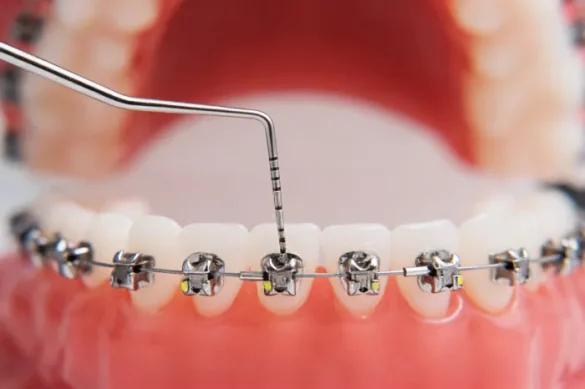
When you get your braces tightened, it is normal to feel sore and uncomfortable for a few days. Many patients worry about this part of orthodontic treatment, asking, “do braces hurt when tightened?” The answer is yes, but the pain is usually mild and short-lived. This process is a sign that your braces are working to straighten your teeth.
Why Is Braces Tightening Necessary?
Braces straighten teeth by applying continuous, gentle pressure through wires attached to brackets on each tooth. Over time, as teeth move, the pressure from the wires lessens. Tightening ensures that there is enough force to keep moving your teeth into their correct positions. During a tightening appointment, your orthodontist may adjust or replace the wires, install new elastics, or tighten the brackets—these steps restart the movement process. Without regular adjustments, your orthodontic treatment would stall, and your teeth would not become properly aligned.
What Does Braces Tightening Feel Like?
The experience of having your braces tightened is different for everyone. Most people describe the sensation not as sharp pain, but as a soreness or dull ache. You might feel pressure on your teeth and gums, and your mouth may be sensitive when biting or chewing. The discomfort usually begins a few hours after your appointment and peaks within the first 24 hours. For most patients, this soreness fades within three to five days.
What Causes the pain After Tightening?
The pain comes from the movement of your teeth through bone and gum tissue. When the archwire is tightened, it creates new pressure on your teeth, triggering a process in the body that breaks down and rebuilds bone tissue. This process also increases blood flow and releases certain chemicals that generate sensitivity and soreness. While it is a natural part of orthodontic treatment, each person’s pain tolerance can vary. Some might feel only minor discomfort, while others will notice more significant tenderness.
How Long Does the pain Last After Tightening?
On average, soreness lasts from one to three days after tightening, though some people report lingering sensitivity for up to a week. The good news is that pain usually decreases with each visit, especially after the first six months of treatment. As your teeth become used to the movement, your mouth adapts and recovers more quickly from adjustments.
Effective pain Relief For Braces Tightening
While you cannot avoid all discomfort, there are many ways to make the adjustment period easier. Here are some expert-backed tips:
1. Use Over-the-Counter pain Relievers
Medications like ibuprofen or acetaminophen can reduce inflammation and relieve pain. It is often helpful to take a dose about an hour before your tightening appointment, so the medicine will be working when discomfort sets in. Always follow dosage instructions and check with your doctor or orthodontist if you have concerns.
2. Apply cold compresses or Drink Cold Water
Cold temperatures numb the mouth and decrease swelling. Hold an ice pack wrapped in a towel against your cheek in 10-15 minute intervals, or sip on icy water throughout the day. Some people also enjoy popsicles or cold smoothies, which can soothe tender teeth and gums.
3. Try a Topical Oral Anesthetic
Products like Orajel or Anbesol are gels you can apply directly to sore gums. They work by numbing the area for temporary relief. Use a clean finger or cotton bud to apply these gels, and remember that a little goes a long way.
4. Rinse With Warm Salt Water
A simple salt water rinse can reduce tissue swelling and heal any cuts or sores caused by brackets and wires. Dissolve a teaspoon of salt in a glass of warm water, and gently rinse your mouth for about 30 seconds. Do this several times a day if needed.
5. Eat soft foods
After your appointment, your teeth may be too sore for crunchy or chewy foods. Choose soft options like yogurt, mashed potatoes, scrambled eggs, oatmeal, soups, pasta, and smoothies. These are easier to eat and less likely to add pressure to your sensitive teeth.
6. Use orthodontic wax
Sometimes, the brackets or wires may poke the inside of your cheeks or lips, causing additional irritation. Your orthodontist will give you a special wax to cover any rough spots. Roll a small piece and press it onto the bothersome area to create a smooth surface.
7. Massage Your Gums
Gently rubbing your gums with a clean finger can improve blood flow and reduce tension. For especially swollen areas, you can try a light massage with a cold pack.
8. Be Patient and Take Care of Yourself
The most important thing to remember is that the discomfort is temporary. Each adjustment brings you closer to your new smile. Practice good oral hygiene, eat carefully, and don’t hesitate to ask your orthodontist for additional advice or recommendations.
Foods to Avoid After Tightening Braces
In the days following an adjustment, it’s smart to avoid foods that could worsen pain or damage your braces. These include:
- Hard or crunchy foods (chips, nuts, raw vegetables)
- Chewy candies or tough meats
- Sticky foods like caramel
- Foods that require a lot of biting or tearing (whole apples, bagels)
Instead, stick with soft, easy-to-chew foods until your mouth feels normal again.
When to contact your orthodontist
Mild pain after a tightening is expected, but severe pain, sharp pain, swelling, or signs of infection (like pus or bleeding) are not normal. If discomfort does not improve after a week, or if you cannot eat, speak, or sleep comfortably, reach out to your orthodontist. They can assess your situation and recommend changes to your treatment or give you new tips for relief.
The Takeaway: Braces Tightening Is Worth the Effort
soreness and discomfort after braces tightening are normal, temporary, and manageable. These sensations mean your braces are doing their job and bringing you closer to a straight, healthy smile. With patience, some comfort strategies, and the support of your orthodontic team, you can get through these days successfully.
Conclusion
Getting your braces tightened can cause some pain, but this discomfort means your treatment is progressing as planned. Most patients experience mild to moderate soreness that fades within a few days. You can ease this transition with over-the-counter medications, cold compresses, soft foods, salt water rinses, and other simple home remedies. If you are worried about your pain or experience unusual symptoms, always contact your orthodontist for guidance. Remember: patience and proper care will lead you to a beautiful, confident smile.
FAQs
How long will my braces hurt after tightening?
Most people feel discomfort for one to three days, with some soreness lasting up to a week. This usually improves with each visit.
Is there anything I can do before my appointment to reduce pain?
Yes. Taking an over-the-counter pain reliever about an hour before your tightening can help. Also, prepare soft foods and cold drinks for after your visit.
What foods should I eat after tightening?
soft foods like yogurt, mashed potatoes, scrambled eggs, soups, and smoothies are best after a tightening adjustment.
When should I call my orthodontist about pain?
contact your orthodontist if pain is severe, lasts longer than a week, or is accompanied by swelling, bleeding, or other unusual symptoms.