


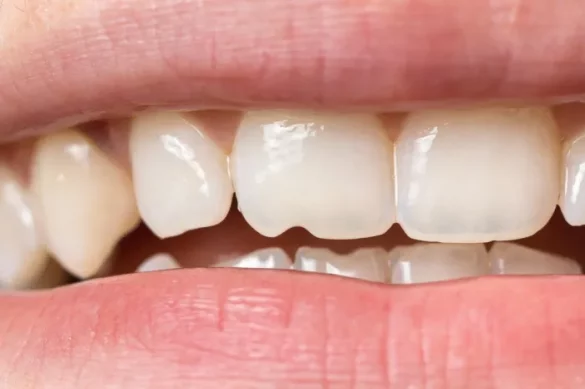
Many people who use whitening strips in pursuit of a brighter smile have experienced pain or sensitivity in their bottom teeth.
This phenomenon can feel alarming, especially if it disrupts daily routines like eating, drinking, or even talking. Understanding why your bottom teeth hurt after applying whitening strips can help you take proper steps to prevent discomfort, continue safely whitening your teeth, and maintain the health of your smile.
What Are Whitening Strips?
Whitening strips are popular over-the-counter products designed to whiten teeth using chemical agents called peroxides, most commonly hydrogen peroxide or carbamide peroxide. They come as thin, flexible plastic strips coated with this gel, which works by breaking down stains on the teeth’s surface. Users typically apply these strips to the teeth for a specific period—most often between 30 to 60 minutes—over several consecutive days or as directed. During the process, the peroxide penetrates the enamel to lift deep stains and produce a noticeably brighter smile.
Why the Bottom Teeth Specifically?
While whitening strips are intended for the entire visible tooth surface, many users notice the bottom teeth hurt more after treatment. Several factors can contribute to this specific discomfort:
Thinner Enamel on Bottom Teeth
Enamel is the hard, outer surface of teeth that protects against sensitivity and decay. For some people, the enamel on the bottom teeth is naturally thinner or may have worn down due to brushing habits or diet. When peroxide in whitening strips penetrates thinner enamel, it can more easily reach the inner, sensitive layer known as dentin. This exposure triggers nerve responses, resulting in pain or sensitivity, especially in the lower teeth.
Gum Recession and Exposure
Gums are meant to shield the roots of teeth. If you have gum recession—when the gums pull away from the teeth—roots become exposed. Whitening agents can irritate these exposed roots more readily, especially on the lower teeth where gum recession is common. Since the root surface lacks the hard protection of enamel, bleaching agents can cause increased discomfort in these areas.
Strip Placement and Fit
Most whitening strips are designed to fit the “average” mouth. However, the bottom arch of teeth is usually smaller and more uneven than the top. This can make strips harder to apply perfectly, causing gel to contact the gums or overlap onto sensitive areas. Ill-fitting strips increase the risk of gum irritation, heightened sensitivity, and accidental overexposure of the bottom teeth to bleaching agents.
Pre-Existing Dental Conditions
People with existing dental issues such as cavities, cracks, or previous dental restorations are more likely to experience pain after whitening. Bottom teeth are sometimes more crowded, harder to clean, or overlooked, leading to unnoticed issues. When whitening strips are applied, the peroxide can aggravate already sensitive spots, leading to pronounced discomfort.
What Happens to Teeth During Whitening?
Whitening strips work by releasing oxygen molecules that react with stained molecules in your tooth enamel. This process is generally safe, but it temporarily increases the permeability of your teeth. This means that, during and after treatment, your teeth may be more sensitive to temperature changes, acidic foods, and air exposure. For some, the heightened sensitivity is severe enough to cause pain, mostly in the bottom row.
How Long Does the Sensitivity Last?
For most people, pain or sensitivity in the bottom teeth after using whitening strips is temporary. Symptoms usually last a few hours to a couple of days after use and diminish if you give your teeth time to recover between applications. Persistent or severe pain should not be ignored, as it could signal underlying dental problems.
How to Reduce Bottom Teeth Pain After Whitening Strips
1. Use Desensitizing Products
Desensitizing toothpaste or gels, such as those containing potassium nitrate or stannous fluoride, can block nerve responses. Applying these before and after whitening sessions can reduce sensitivity. Some people gently rub these products directly onto their teeth before applying whitening strips.
2. Adjust Frequency and Duration
If you notice pain or discomfort, try whitening your teeth less frequently. Giving your teeth extra time between applications helps enamel recover. You can also shorten the time you wear the strips or select products with a lower peroxide concentration.
3. Check Strip Placement
Make sure strips are applied precisely to avoid overlap onto the gum line. Avoid stretching strips onto your gums. Take extra time to properly fit strips on bottom teeth, and consider trimming them if recommended by the manufacturer for a better fit.
4. Avoid Trigger Foods and Drinks
After whitening, your teeth may be more sensitive. Steer clear of highly acidic, hot, or cold foods and beverages for a day or two to allow your teeth to settle. Also, avoid staining foods and beverages, such as coffee and wine, to preserve the whitening effect.
5. Consult Your Dentist
If lower tooth pain is moderate to severe or does not improve after a few days, consult a dental professional. There could be underlying problems, such as cavities or gum issues, that need to be treated before continuing with whitening.
Can Whitening Strips Damage Teeth?
Whitening strips are generally safe if used as directed. However, overuse or improper application may lead to enamel erosion, gum irritation, and heightened tooth sensitivity. The risk increases for individuals who have pre-existing dental conditions or do not follow product instructions. Signs that you may need to stop or change your whitening routine include ongoing pain, visible gum irritation, and significant sensitivity.
How to Prevent Pain in Bottom Teeth
Address Gum Health
Maintain regular oral hygiene to prevent gum recession and protect the roots of your teeth. Use a soft-bristled toothbrush, floss gently, and visit your dentist for routine cleanings.
Use the Right Whitening Products
Choose whitening strips with lower peroxide concentrations if you know your teeth are sensitive. Follow all instructions carefully and avoid using strips more frequently than recommended.
Monitor Oral Health
Before beginning any whitening regimen, make sure your teeth and gums are healthy. Address any dental problems, like cavities, cracked teeth, or receding gums, under the guidance of a dentist.
Try Natural Whitening Alternatives
For some, professional dental whitening or natural alternatives, such as baking soda (used cautiously), may be less irritating. Always consult with a dental professional before trying new methods at home.
Conclusion
Pain or sensitivity in your bottom teeth after using whitening strips is a common experience. It is usually caused by thin enamel, gum recession, improper strip fit, or underlying dental conditions. While most discomfort is temporary, persistent pain should be addressed by a dentist. Choosing desensitizing products, adjusting your routine, and ensuring proper application can help reduce pain and allow safe teeth whitening. Always prioritize your oral health when considering cosmetic dental treatments.
Frequently Asked Questions
Why do only my bottom teeth hurt after whitening strips?
This is often due to thinner enamel, gum recession, or difficulty fitting strips properly to the bottom teeth.
How can I whiten my teeth without pain?
Use strips less frequently, desensitizing toothpaste, or consult your dentist about alternatives tailored to sensitive teeth.
Is it normal for whitening strips to cause some discomfort?
Mild, temporary sensitivity is common, but severe or long-lasting pain is not and should be discussed with a dentist.
Should I stop using whitening strips if my bottom teeth hurt?
Pause your treatment if you experience moderate to severe pain and consult a dental professional for advice.