


Dental fillings are a common and vital part of modern dental care. When a tooth develops a cavity, a filling helps repair the damage, prevent further decay, and restore function. However, with several types of filling materials available, patients often wonder: what is the best filling for teeth? The answer depends on a variety of factors, including the location of the filling, desired aesthetics, durability, personal health conditions, and budget.
Understanding Dental Fillings
Dental fillings are used to restore teeth that have been damaged by decay or minor fracture. The main goal of a filling is to prevent further decay and maintain the tooth’s structure. Fillings can be divided into two broad categories: direct and indirect. Direct fillings are placed in a single visit, while indirect fillings, such as inlays or onlays, are custom-made in a laboratory and usually require two visits.
Types of Dental Fillings
Amalgam Fillings
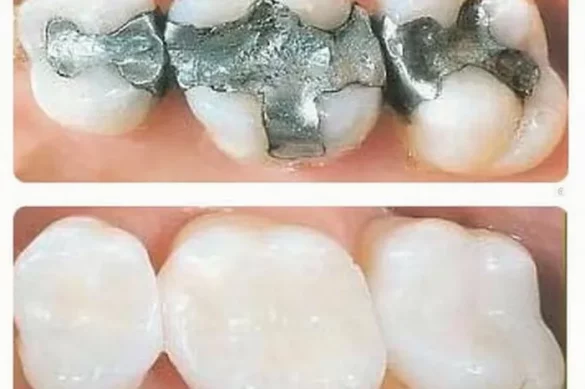
Amalgam, also known as silver filling, is one of the oldest and most widely used filling materials. It consists of mercury mixed with silver, tin, zinc, and copper. Amalgam is durable and can last from 10 to 15 years or more. It is commonly used for fillings in back teeth, where the pressure from chewing is greatest. While the American Dental Association considers amalgam safe, some people are concerned about the mercury content. The FDA recommends certain at-risk groups, such as pregnant women, young children, and those with specific health conditions, avoid amalgam.
Composite Resin Fillings
Composite resin fillings are tooth-colored and made from a mixture of plastic and fine glass particles. These fillings blend seamlessly with natural teeth, offering a highly aesthetic result, especially for visible teeth. Composite fillings are versatile and can be used for both front and back teeth. They typically last about 5 to 10 years with proper care. Composite fillings have become very popular due to their natural appearance, safety profile, and minimal risk of sensitivity. They also bond directly to tooth structure, which can strengthen the remaining tooth.
Glass Ionomer Fillings
Glass ionomer is another tooth-colored filling material made from silica glass powder. It releases fluoride, which can help protect the tooth from further decay. Glass ionomer fillings are not as durable as composites or amalgam; they generally last about 5 to 7 years. They are often used for small fillings, fillings in children, or non-chewing surfaces.
Gold Fillings
Gold fillings, or gold inlays/onlays, are highly durable and biocompatible. They can last over 20 years with excellent maintenance. Gold fillings are made in a dental laboratory and require at least two visits. Some patients appreciate their longevity, but gold fillings are costly and visible, making them less desirable for those seeking a natural tooth appearance.
Porcelain (Ceramic) Fillings
Porcelain fillings, also known as ceramic fillings or inlays/onlays, are tooth-colored and highly resistant to staining. They offer an aesthetic option that matches the natural tooth. Porcelain is strong and can last 10 to 15 years. These fillings are made in a dental lab and normally require two appointments. The main drawbacks are their higher cost and the possibility of being more brittle compared to composite resin.
Factors to Consider When Choosing a Dental Filling
The decision about which filling is best must consider several aspects:
Location of the Filling
Back teeth experience higher biting forces, often making materials like amalgam or gold more suitable due to their durability. For front teeth, where aesthetics are important, composite resin or ceramic may be better choices.
Size of the Filling
Large cavities in back teeth may be better repaired with durable materials like gold or amalgam. Small to medium-sized cavities, especially in visible areas, are ideally suited for composite resin.
Aesthetic Preferences
If the appearance of your teeth is a concern, tooth-colored fillings such as composites and ceramics are recommended. They blend well and are virtually invisible when done by an experienced dentist.
Durability and Longevity
Gold is the most durable, lasting over 20 years. Amalgam and porcelain offer long lifespans, ranging from 10 to 15 years. Composite resin typically provides 5 to 10 years, while glass ionomer lasts the shortest.
Health and Safety
All major restorative materials are carefully monitored for safety. Amalgam contains mercury, leading to concerns for some patients. In general, composite and ceramic fillings are chosen for those wishing to avoid metals. Always consult your dentist about any allergies or sensitivities.
Cost
Gold and porcelain fillings are usually the most expensive due to lab work and material costs. Amalgam is often less expensive, while composite costs fall in the middle range. Glass ionomer is generally less costly but has limited applications.
Advantages and Disadvantages of Each Material
Amalgam:
- Pros: Highly durable, cost-effective, quick placement.
- Cons: Metallic color, concerns over mercury content, not suitable for people with specific health risks.
Composite Resin:
- Pros: Natural appearance, strong bonding, moderate cost, minimal removal of tooth structure.
- Cons: Less durable in large fillings, can stain over time, slightly higher cost than amalgam.
Glass Ionomer:
- Pros: Releases fluoride, good for small fillings or children, easy placement.
- Cons: Lower durability, not ideal for high-pressure chewing surfaces.
Gold:
- Pros: Longest lifespan, biocompatible, high strength.
- Cons: High cost, noticeable color, requires multiple visits.
Porcelain/Ceramic:
- Pros: Excellent aesthetics, resistant to staining, good durability.
- Cons: Brittle compared to gold, expensive, requires multiple visits.
Direct vs. Indirect Fillings
Direct fillings (like amalgam and composite) are placed in one visit. Indirect fillings (like gold or porcelain inlays/onlays) require lab work and multiple appointments. The choice depends on the extent of decay, desired results, and patient preferences.
Caring for Fillings
Proper oral hygiene is crucial to extend the lifespan of dental fillings. Brushing twice a day, flossing daily, and regular dental check-ups help prevent further decay. Dietary choices also matter; limiting sugary and acidic foods can protect both your natural teeth and your fillings.
Conclusion
There is no single answer to the question, “What is the best filling for teeth?” The best choice depends on your individual needs, preferences, oral health requirements, and budget. Composite resin fillings are the most popular choice for those seeking natural-looking results, while gold and amalgam offer proven durability. Porcelain provides both excellent aesthetics and strength, making it a preferred choice for many indirect restorations. Always consult with your dentist for the most suitable option tailored specifically for you. By considering all the relevant factors, you can ensure a lasting and satisfying dental restoration.
Frequently Asked Questions
What is the safest filling option?
Composite resin and porcelain are often chosen by patients who prefer to avoid metals. These materials are well-researched and considered safe.
How long do dental fillings last?
Gold fillings can last over 20 years, while amalgam and porcelain usually last 10 to 15 years. Composite resin lasts 5 to 10 years, and glass ionomer 5 to 7 years.
Will my filling be noticeable?
Composite resin and porcelain are tooth-colored and blend in with your natural teeth. Amalgam and gold are visible and best for back teeth.
Can a filling fall out?
Yes, fillings can eventually fall out due to wear or if the surrounding tooth becomes decayed. Regular dental visits help catch problems early.
How do I care for my dental fillings?
Maintain good oral hygiene by brushing, flossing, and attending regular dental check-ups. Avoid biting on very hard foods and report any changes or discomfort to your dentist promptly.