


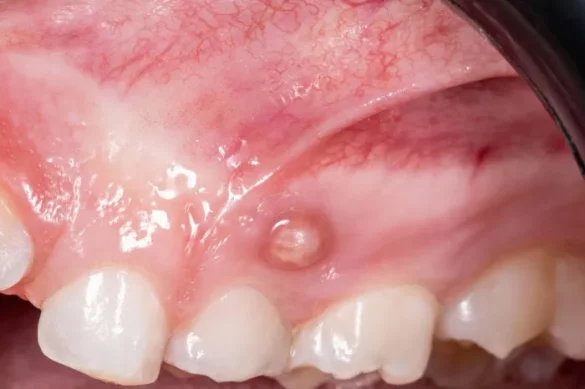
Swollen gums with pus are a common sign of infection in the mouth. This condition often causes pain, tenderness, and discomfort when eating or talking. Understanding the reasons behind this problem is important to prevent more serious dental issues and to seek timely treatment.
What Are Swollen Gums With Pus?
Swollen gums with pus usually indicate the presence of a dental or gum infection. Pus is a thick, whitish or yellowish fluid. It forms when the body tries to fight off harmful bacteria. When gums become red, swollen, and filled with pus, it means that bacteria have caused an infection in or around the gum tissue or tooth root.
The Common Causes of Swollen Gums With Pus
Bacterial Infection and Gum Abscess
The main reason for gums swelling with pus is a bacterial infection. When bacteria in the mouth multiply rapidly, they can invade the gum tissue. This bacterial invasion can lead to the development of a pus-filled bump called a gum abscess or gum boil. Abscesses can cause intense pain, swelling, and sensitivity, and may also lead to gum bleeding or discharge. There are different types of gum abscesses, including periodontal abscesses (in the gums) and periapical abscesses (starting from the tooth root).
Gum Disease (Periodontitis and Gingivitis)
Poor oral hygiene can lead to gum disease, which increases the risk of infection. Gingivitis is the early stage of gum disease, marked by mild swelling and redness. If left untreated, it can progress to periodontitis, in which the infection spreads deeper into the gum and bone tissue. Advanced gum disease provides a perfect environment for bacteria to thrive and form abscesses, creating pockets of pus in the gums.
Tooth Decay and Dental Trauma
Untreated tooth decay can allow bacteria to reach the inside of the tooth (the pulp) and eventually the root. This may cause a periapical abscess, which appears close to the gumline as a pus-filled swelling. Similarly, dental trauma (such as a cracked or broken tooth) can expose the inner layers of the tooth to bacteria, leading to infection and pus formation near the gums.
Poor-Fitting Dentures or Dental Appliances
Dentures or partial dentures that do not fit properly can injure the gums. This irritation may lead to sores or open wounds that become infected by oral bacteria, resulting in swelling and pus formation.
Weakened Immune System
People with weakened immune systems are more likely to get oral infections. Conditions such as diabetes, HIV/AIDS, cancer treatment, or long-term corticosteroid use lower the body’s ability to fight bacteria, making gum abscesses and pus formation more common.
Symptoms Associated With Pus-Filled Swollen Gums
The presence of pus under swollen gums is almost always accompanied by other unpleasant symptoms, including:
- Persistent toothache or gum pain
- Swelling of the gum tissue
- Redness and tenderness
- Bad breath
- Gum bleeding or oozing of pus
- Difficulty chewing or opening the mouth
- Fever or general feeling of illness (if the infection spreads)
Complications of Untreated Gum Abscesses
If a gum abscess is not treated, the infection can spread to other parts of the mouth, the jawbone, or even to the head, neck, or other areas of the body. In severe cases, untreated oral infections can become life-threatening if bacteria enter the bloodstream. Long-term complications also include the loss of affected teeth and destruction of surrounding bone tissue.
Diagnosing the Cause
A dentist will examine the mouth, ask about symptoms, and may take X-rays to find out where the infection is located and how severe it is. Prompt diagnosis ensures the best chance for successful treatment and helps prevent complications.
Treatments for Swollen Gums With Pus
Professional Dental Care
Treatment for swollen gums with pus always starts with controlling the infection. Options include:
- Antibiotics: Dentists often prescribe antibiotics to control and eliminate the bacterial infection, especially if the abscess is deep or spreading.
- Drainage: The dentist may need to drain the abscess to remove the pus. This helps relieve pain and allows the area to heal.
- Deep Cleaning: Procedures like scaling and root planing remove plaque and tartar below the gumline, helping the gums recover and preventing future infections.
- Root Canal or Tooth Extraction: If the infection begins inside the tooth or reaches the tooth root, a root canal may be necessary. In severe cases, removing the tooth may be the only way to stop the spread of the infection.
- Adjustment of Dental Appliances: If dentures or other devices are causing recurring gum irritation, a dentist will adjust them to avoid further injury.
Home Remedies for Symptom Relief
Home care may help ease discomfort while waiting for professional treatment. However, it is important to remember that home remedies do not cure the infection and are not a replacement for dental care.
- Good Oral Hygiene: Brush your teeth twice a day with fluoride toothpaste and floss daily. This helps prevent the buildup of bacteria and plaque.
- Saltwater Rinses: Rinsing with warm salt water may reduce swelling and has mild antibacterial effects.
- Hydrogen Peroxide Mouthwash: A diluted hydrogen peroxide rinse can help decrease bacteria in the mouth, but should be used with care and only as directed by a dental professional.
- Avoid Irritants: Stay away from sugary foods, spicy dishes, and tobacco products, as these may worsen irritation and swelling.
Prevention of Swollen Gums With Pus
Preventing gum infections involves adopting healthy oral habits:
- Regular brushing and flossing to remove food particles and plaque
- Visiting a dentist for routine checkups and cleanings
- Limiting sugary foods and drinks
- Avoiding tobacco products, as smoking increases the risk of gum disease
- Ensuring dentures and dental appliances fit well
Conclusion
Swollen gums with pus almost always signal a bacterial infection. The most common causes are gum disease, tooth decay, dental trauma, and poor dental hygiene. In some cases, ill-fitting dentures, a weakened immune system, or chronic conditions may contribute. It is essential to seek prompt dental care when these symptoms are present, as untreated infections can result in tooth loss, severe complications, or even become life-threatening. Good oral hygiene, regular dental visits, and avoiding risk factors are the best ways to prevent gum infections. If you notice swelling, pain, or pus in your gums, do not delay in seeing a dental professional for the right diagnosis and treatment.
Frequently Asked Questions (FAQs)
What should I do if I notice pus in my gums?
You should see a dentist as soon as possible. Pus is a sign of infection and requires professional treatment.
Can swollen gums with pus go away on their own?
No, pus-filled swollen gums will not heal without proper dental care and may worsen without treatment.
Are there home remedies that can cure gum abscesses?
Home remedies can relieve symptoms, but antibiotics and dental procedures are needed to treat the infection completely.
Is it dangerous to leave swollen gums with pus untreated?
Yes, untreated gum abscesses can lead to serious health risks and spread the infection to other parts of the body.