


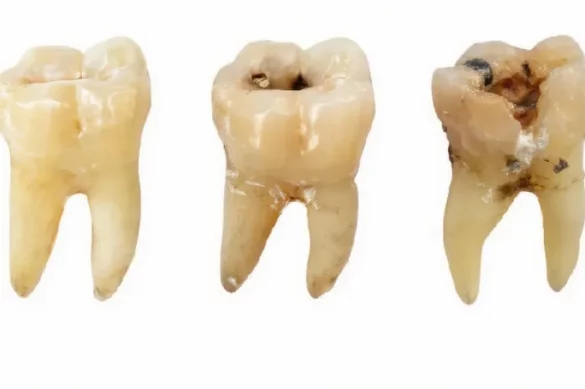
Tooth pain is a signal from your body that something is not right with your dental health. Many people experience discomfort or sharp pain when they bite down on food. This pain can be alarming, especially when it is not constant but flares up only with pressure. One common question is whether a cavity will hurt when you bite down. Understanding the connection between cavities and biting pain is key to protecting your oral health.
Understanding Cavities: What Happens Inside the Tooth?
A cavity, also known as dental caries or tooth decay, is a permanent hole that forms in the hard surface of your tooth. Cavities develop when plaque—a sticky film of bacteria—builds up on your teeth and feeds on sugar from your food. These bacteria produce acids that gradually erode the enamel, the hard outer layer of the tooth. If left untreated, the acid continues to break down deeper layers, including the dentin and even reaching the nerve-filled pulp in the center of the tooth.
Why a Cavity Might Hurt When You Bite Down
Not all cavities cause pain immediately. In the early stages, you may not feel anything at all. However, as decay progresses and gets closer to the nerve, the tooth can become more sensitive, especially when pressure is applied during biting or chewing.
The Dentin’s Role in Sensitivity
The dentin is a softer layer under the enamel and contains tiny nerve endings that communicate sensations to the tooth’s nerve. When a cavity breaks through the enamel into the dentin, eating, biting, or even touching the tooth can cause discomfort due to the stimulation of these nerves. This pain may feel like a twinge or a dull ache, typically felt while biting down on food.
Deep Decay and Direct Nerve Irritation
If decay is allowed to reach the pulp, which is the innermost part of the tooth containing blood vessels and nerves, pain can become sharper, more intense, and often constant. You may notice a sudden, severe pain when biting, or the tooth may throb at rest. At this stage, even lightly pressing on the tooth can be uncomfortable, and infection may start to form an abscess at the root, leading to more severe symptoms.
Other Common Reasons for Pain When Biting
While cavities are a frequent cause, tooth pain on biting is not always a direct result of decay. Several other issues might lead to similar discomfort:
1. Cracked or Fractured Tooth
A crack in the tooth can expose deeper tissues, making the tooth feel sensitive or painful under pressure. Sometimes the crack is not visible, but biting releases stress along the fracture lines, causing pain.
2. Gum Disease or Gum Recession
Advanced gum disease can cause gums to recede, exposing sensitive root surfaces. When biting down, these areas may feel sore due to lack of enamel protection and inflammation in the surrounding tissues.
3. High Dental Restorations
A filling or crown that sits too high can create extra pressure on a particular tooth when you bite. This can feel like a sharp pain in that area each time you chew until the restoration is adjusted by a dentist.
4. Tooth Abscess or Infection
A severe cavity can result in an abscess—a pocket of pus caused by infection. This often leads to throbbing pain, swelling, and significant discomfort whenever pressure is applied to the affected tooth, particularly when biting.
5. Bruxism (Teeth Grinding)
Grinding your teeth at night or clenching them during the day puts excessive force on teeth and their supporting structures, leading to general sensitivity or sharp pain under pressure.
How to Tell If a Cavity Is Causing Your Pain
It is not always easy to distinguish exactly what is causing pain without a dentist’s examination, but there are some warning signs that can help you identify a cavity as the possible source:
- Pain when eating sweets or sugary foods.
- Sensitivity to hot, cold, or acidic foods.
- A visible hole or pit in the tooth.
- Dark spots or discoloration on the tooth surface.
- Bad breath or a persistent bad taste.
- Rough or chipped area on a tooth.
If these symptoms accompany your pain when biting down, a cavity is a likely culprit. However, keep in mind that not all cavities are visible or painful, especially in the early stages.
Early Cavity Pain vs. Advanced Cavity Pain
- Early Stage: You may notice only occasional discomfort when biting or chewing certain foods. Sensitivity comes and goes.
- Moderate Stage: The pain becomes more noticeable, possibly sharp or lingering after eating. You may start to see discoloration or a small hole.
- Advanced Stage: The pain is constant, often intense, and can wake you at night. Swelling, pus, or abscess may develop. At this point, urgent treatment is needed to prevent further complications such as tooth loss or the spread of infection.
Importance of Prompt Dental Care
Do not ignore pain when biting down, even if it seems minor. Cavities do not heal by themselves. Without dental care, they grow larger and deeper, causing more problems. The earlier a cavity is found and restored, the simpler and less costly the treatment will be.
When you visit your dentist with this type of pain, they will perform a comprehensive examination, which may include:
- Visual inspection of the teeth and gums
- X-rays to identify hidden decay or fractures
- Sensitivity tests
- Bite assessment to ensure your teeth fit together properly
These steps help pinpoint the source of your pain so that an effective treatment plan can be made.
How Is Cavity-Related Pain Treated?
If a cavity is confirmed as the cause of your pain, typical treatments include:
- Filling: The decayed area is removed and replaced with a dental filling.
- Crown: A larger cavity may require a crown to restore the tooth’s shape and strength.
- Root Canal: If the decay has reached the pulp and caused infection, a root canal may be needed to clean out the inside of the tooth and seal it.
- Extraction: In rare, severe cases, the tooth may need to be removed.
Pain caused by other issues, such as cracks or gum disease, may require different treatments.
How to Prevent Cavity Pain from Developing
Good oral hygiene and routine dental visits are your best defense against cavities and dental pain. You should:
- Brush twice daily with fluoride toothpaste
- Floss every day to remove plaque between teeth
- Limit sugary and acidic foods
- See your dentist twice a year for check-ups
- Wear a nightguard if you grind your teeth at night
These steps help to minimize plaque buildup and catch any problems before they become serious.
Conclusion
A cavity can absolutely hurt when you bite down, especially as the decay moves deeper into the tooth and reaches sensitive areas. However, tooth pain when biting down can also result from other dental issues like fractures, gum disease, or high dental restorations. If you notice pain when eating, biting, or chewing, do not wait for it to go away on its own. Prompt dental attention is essential for accurate diagnosis, effective treatment, and prevention of further complications. Taking care of tooth pain early can preserve your teeth and overall health for the long term.
Frequently Asked Questions
Does a cavity always hurt when you bite down?
No, cavities may not cause pain in the early stages. Pain usually appears when the decay gets deeper and irritates the nerve.
What other problems can cause pain when biting?
Cracked teeth, gum disease, high dental fillings, abscesses, and teeth grinding are also common causes.
Can I relieve cavity pain at home?
You can use over-the-counter pain relief and avoid chewing on the affected tooth, but these are temporary solutions. Professional dental care is necessary for a lasting fix.
How soon should I see a dentist if I have pain when biting?
See a dentist as soon as possible—early treatment prevents complications and saves your tooth.