


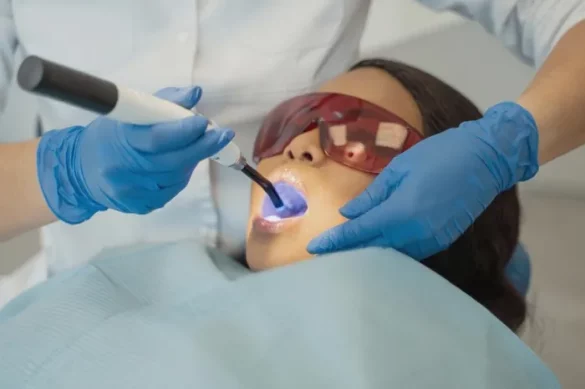
Dental composites have transformed the way restorative dentistry approaches both function and aesthetics. These synthetic resin-based materials are used extensively to repair teeth damaged by decay, trauma, or for cosmetic improvements. With so many options available, choosing the right composite is essential for achieving results that are strong, last long, and look natural. In this article, we detail eight of the top dental composites, their features, and what makes each unique in clinical practice.
What Are Dental Composites?
Dental composites, also known as resin composites, are tooth-colored materials used for filling cavities, repairing chips, reshaping teeth, or even transforming smiles with veneers and bonding. They consist of a plastic resin matrix with added filler particles, such as glass or ceramics, to enhance mechanical and aesthetic qualities. The latest generations benefit from advances in particle size and chemistry, offering improvements in handling, durability, and polishability.
Categories of Dental Composites
Dental composites can be broadly categorized by their particle size:
Microfill Composites
These have extremely small filler particles (around 0.04 microns). Microfills provide a high gloss finish and excellent polishability, making them perfect for front teeth (anterior restorations), although they are less resistant to wear.
Hybrid and Nanohybrid Composites
Hybrids combine large and small particles for a balance of strength and aesthetics. Nanohybrids use cutting-edge nanotechnology for even better mechanical properties, gloss retention, and easy handling. These are widely used for both front and back teeth.
Universal Composites
Universal composites are designed for use anywhere in the mouth. They provide good aesthetics, strength, and easy handling, adapting well to different clinical needs.
Key Features to Look For
The best dental composites combine several important qualities:
- High polishability for a natural look
- Color stability matching natural teeth
- Durability under chewing forces
- Easy sculpting and non-sticky consistency
- Radiopacity for clear X-ray detection
- A range of shades for personalized aesthetics
The 8 Best Dental Composites
1. IPS Empress Direct (Ivoclar Vivadent)
Well-known for its radiance and natural blending, IPS Empress Direct allows dentists to achieve highly aesthetic results with its wide range of 32 shades and several levels of translucency. It offers a high gloss surface and fluorescence that closely mimics real tooth enamel. Its polishability and long-lasting color make it ideal for both small repairs and full smile designs, especially for patients seeking the brightest, most natural results.
2. Filtek Supreme XTE (3M)
A leader in nano technology, Filtek Supreme XTE features advanced nanofiller particles, making it one of the most versatile composites for both anterior and posterior restorations. This composite stands out for its exceptional polish retention, high wear resistance, and a wide variety of shades. It balances durability with outstanding aesthetic properties, meeting high demands from dentists and patients alike.
3. Tetric EvoCeram Bulk Fill (Ivoclar Vivadent)
Designed for fast, efficient placement, Tetric EvoCeram Bulk Fill reduces procedure time without sacrificing quality. Its bulk-fill technique allows large sections to be filled in a single increment, expediting restorative work. The nanohybrid formulation ensures minimal water absorption and high strength, making it reliable for back teeth where chewing forces are strongest.
4. Estelite Sigma Quick (Tokuyama Dental)
This universal composite is known for its ease of handling and fast curing times. With a spherically filled structure (82% by weight), Estelite Sigma Quick delivers high gloss, seamless blending, excellent polishability, and high wear resistance. Its wide shade selection and chameleon effect make color matching simple, helping dentists create invisible restorations.
5. Aura (SDI)
Aura stands out for its radiopaque, light-cured, and highly aesthetic formula. Its scientific approach to shade matching gives clinicians simple, reliable tools for choosing the ideal color. The result is anterior and posterior restorations that are strong, wear-resistant, and easily polished, all while simplifying everyday dentistry.
6. Clearfil Majesty ES-2 (Kuraray)
A nano-hybrid universal composite, Clearfil Majesty ES-2 is praised for its intelligent shade system and low shrinkage stress. Its easy sculpting, non-sticky consistency, and natural enamel translucency allow for attractive, predictable results. It is well-suited for clinicians who want minimal inventory without sacrificing quality in aesthetics or function.
7. Amelogen Plus (Ultradent)
Amelogen Plus is popular for predictable shade selection and easy, reliable handling. It is especially useful for direct enamel restorations that require a single, natural-appearing shade. With its unique wetting resin and intuitive layering system, this composite enables dentists to deliver precise, lifelike smiles with confidence.
8. G-aenial Anterior (GC)
This anterior composite is designed for excellent polishability, natural reflectivity, and high strength. Its innovative chromatic concept streamlines shade matching and allows clinicians to restore both form and function simply. G-aenial Anterior is ideal for visible areas where natural results are essential and handling ease is appreciated.
How to Select the Right Dental Composite
Choosing the right composite will depend on the site of restoration (front or back teeth), the specific aesthetic goals (matching shade, gloss, or translucency), and the need for durability. For anterior teeth, polishability and natural appearance are most important, while for molars, strength and wear resistance are more critical. It’s also essential to consider the handling properties: some composites are creamier or more fluid, making them easier for fine details or tight spaces.
Dentists must frequently weigh the cost against the benefits. Premium brands such as IPS Empress Direct and Filtek Supreme XTE offer outstanding results but may cost more than composites designed for everyday restorative use. The shade range is also key—some brands offer up to 30 shades for precision matching, while universal systems keep inventory easier to manage with fewer, adaptable shades.
Conclusion
Dental composites are integral to both cosmetic and restorative dentistry. The best composites combine polishability, color stability, wear resistance, and clinical ease of use. The eight composites highlighted here represent industry-leading choices, ensuring dentists can deliver both strong and beautiful results. By considering the clinical situation, patient needs, and the unique features of each composite, dental professionals can select the material best suited to every case, ensuring reliable, natural-looking smiles for their patients.
FAQs
Which dental composite is best for anterior restorations?
Composites with high polishability and extensive shade ranges like IPS Empress Direct and G-aenial Anterior are excellent for front teeth due to their life-like finish.
Are bulk-fill composites suitable for all cavities?
Bulk-fill composites like Tetric EvoCeram Bulk Fill are ideal for back teeth and large restorations, thanks to their deep curing and strength. For very small or shallow areas, a more sculptable material may be better.
What is the advantage of using nanohybrid composites?
Nanohybrid composites provide improved durability and polish retention, making them versatile for both anterior and posterior teeth.
How can dentists choose the most natural shade?
The best approach is to use composites with a broad shade selection and test shades in the mouth under natural light. Brands with chameleon effects or advanced blending technology make shade selection simpler.