


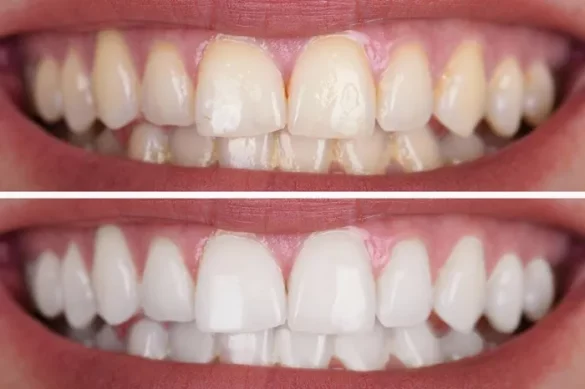
In recent years, more people have considered professional teeth whitening as a way to quickly and effectively brighten their smile. Many find themselves wondering if investing in this dental treatment is really worthwhile. The answer depends on several factors, such as the expectations you have, your dental health, and the kind of results you desire.
What Is Professional Teeth Whitening?
Professional teeth whitening is a dental procedure performed by licensed dentists. It uses high-concentration bleaching agents, usually hydrogen peroxide, to remove deep stains from the enamel and dentin of your teeth. Unlike over-the-counter whitening products, which may only help with lighter, surface stains, professional treatments are designed to tackle discoloration that lies beneath the surface.
Technologies like laser-assisted whitening have made the process faster and more effective. A common approach involves applying a powerful whitening gel to the teeth, which is then activated with a specialized light or laser for better results. The high concentration of peroxide stays on your teeth while your dentist ensures your gums are protected from damage.
How Does Professional Teeth Whitening Work?
The dental professional first examines your teeth to make sure they are suitable for whitening. During the treatment, a gel is carefully applied to the teeth and a blue light or laser is used to activate the solution. The process usually takes 30–60 minutes in the dental office.
Results are often immediate—patients may see a dramatic difference in brightness right after the procedure. This is because the high concentration of hydrogen peroxide (often around 25–35%) can lighten several shades in a single appointment. At-home whitening kits, by comparison, use a much lower concentration (generally 7–10%) and require daily use for several weeks to achieve even modest results.
Are Results Immediate and How Long Do They Last?
One of the main appeals of professional whitening is speed—it can give you a noticeable, whiter smile in just one session. However, the effects are not permanent. With good care, professional whitening results may last between several months and up to three years. The longevity depends on your dental hygiene routine and your consumption of foods and beverages that are known to stain teeth, such as coffee, tea, red wine, and colored sauces.
Dentists often recommend follow-up treatments every six months to one year. Some will make a customized tray for you to use at home with a milder whitening gel, which helps maintain your results over time.
Benefits of Professional Teeth Whitening
Dramatic Results
Professional treatments can provide more noticeable changes than most over-the-counter options. For people who want to improve their appearance for a special event or to boost confidence, it can be the quickest way to achieve a brighter smile.
Safe and Supervised Process
Having a trained dentist monitor the procedure means your gums and soft tissue are protected. The risk of complications or improper application is lower compared to do-it-yourself kits.
Customization
Since dentists examine your teeth before beginning treatment, the approach can be tailored for your unique needs. This ensures the best results and helps to minimize tooth sensitivity.
Confidence and Well-Being
Many people choose teeth whitening to improve their appearance. A whiter smile can help you feel more comfortable and self-assured in both social and work situations.
Potential Drawbacks and Side Effects
Tooth Sensitivity
For many, the most common side effect is temporary tooth sensitivity. You may experience sharp sensations during or after the treatment, especially when consuming hot or cold foods. This usually fades within a few days, but some individuals might need additional relief like soothing gels.
Gum Irritation
If the whitening gel touches the gums, it can cause irritation and discomfort. Dentists take precautions, but some sensitivity is still possible.
Not Suitable for All
Professional whitening may not work for everyone. Some discoloration is caused by internal tooth factors or genetics and may not respond well. Patients with crowns, veneers, or certain types of dental restorations may also see uneven results since these materials do not whiten like natural tooth enamel.
Cost
Professional bleaching performed by a dentist usually costs more than home whitening kits. However, many believe that the effectiveness and speed justify the additional expense.
Maintenance Required
To keep your smile bright, you will need to avoid foods and drinks that stain, at least for the first few days after treatment. Regular dental visits and sometimes periodic home whitening are necessary to maintain results.
Professional vs. At-Home Whitening
At-home whitening options include strips, trays, gels, toothpastes, and mouthwashes—all designed to gradually lighten surface stains. While these are generally more affordable and convenient, their effects are subtle and often slower. Over-the-counter products cannot use the same high-concentration bleaching agents as professional treatments, limiting how white your teeth can become.
Professional whitening provides more intense and immediate results, but at a higher cost and with greater responsibility for aftercare. Many people use a combination: they start with an office treatment to achieve quick, strong results, then maintain the shade with home products.
Who Should Consider Professional Teeth Whitening?
If you are bothered by the color of your teeth and have not had success with simpler solutions, professional whitening could be the right option. People preparing for big events (like weddings or job interviews) often choose this quick fix.
However, you should not pursue whitening if you have gum disease, cavities, or very sensitive teeth until these issues are treated. Pregnant or breastfeeding individuals should also avoid whitening procedures due to limited research on safety in these groups.
How to Maximize Your Results
After professional whitening, care is crucial. For at least a week, avoid foods and drinks with strong colors—this includes coffee, tea, red wine, berries, and tomato sauces. If you must consume these, dentists recommend using a straw and rinsing with water afterward.
Brush twice daily and floss to remove plaque and prevent new stains. Your dentist may also suggest a special home whitening tray for monthly touch-ups. This combination helps results last longer and may reduce the number of in-office treatments you need.
Weighing the Cost and Benefit
Professional teeth whitening costs more upfront but offers faster, more noticeable improvements. You may pay hundreds of dollars per session, but for some, the boost in confidence and appearance is worth it. If your goal is a brighter, healthier-looking smile quickly with the guidance of dental professionals, professional teeth whitening makes sense.
However, if you prefer a budget-friendly, lower-maintenance approach with gradual results, over-the-counter products might be enough. Remember, teeth whitening is a cosmetic procedure—the health of your teeth and gums should always come first.
Conclusion
Professional teeth whitening is a popular, safe, and effective method for achieving a brighter smile quickly. It gives better results than most home treatments and is carefully monitored by dental professionals, though side effects like sensitivity may occur. The procedure is not permanent, and some maintenance is needed to prolong the effects. Whether it is worth the investment depends on your goals, individual dental condition, and budget. For many, the improved appearance and confidence make professional whitening a worthwhile option.
FAQs
Who is a good candidate for professional teeth whitening?
Anyone with healthy teeth and gums, without severe sensitivity or dental restorations on the front teeth, generally qualifies for professional whitening. Always consult your dentist first.
How much does professional teeth whitening cost?
The price can vary based on location and the dentist’s experience but usually ranges from a few hundred dollars to over $1,000 per treatment.
Is the procedure safe?
Yes, when performed or supervised by a trained dental professional, teeth whitening is considered safe. They will take measures to protect your gums and minimize risk.
How long do the results last?
With good oral care and lifestyle choices, the results can last from several months to three years. Regular dental cleanings and periodic touch-ups help extend the brightness.
Are there risks to frequent whitening?
Whitening too often can lead to increased tooth sensitivity or gum irritation. Follow your dentist’s recommendations to avoid overuse.