


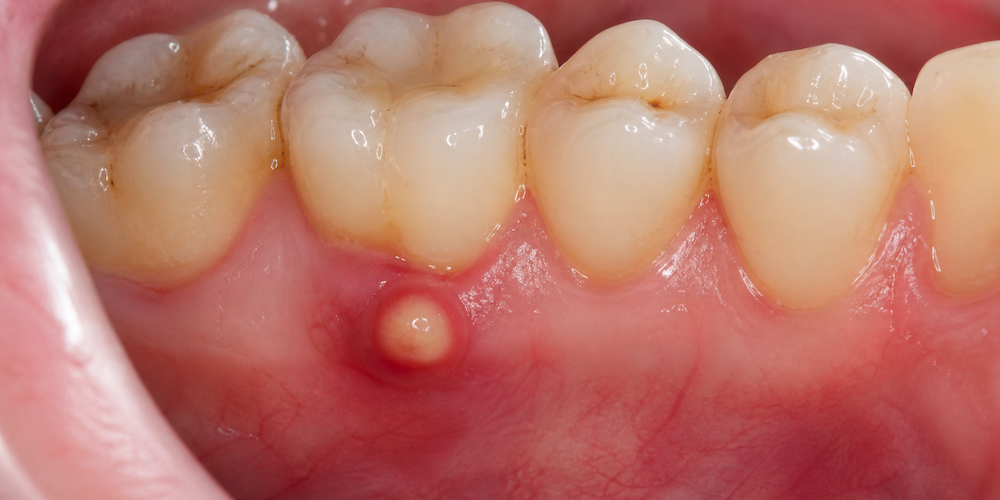
A Gum Bump Needs Attention
A small bump on the gums may not seem serious, especially if it does not hurt. However, a painless swelling can still be a sign of infection. In many cases, that bump may be related to a tooth abscess, which means pus has collected because bacteria are active around a tooth, root, or gum pocket.
Pain is not the only warning sign. Sometimes pressure drains through a small opening on the gum, so the tooth may feel less painful than expected. Because of this, some patients think the problem has healed. Instead, the infection may still be present under the surface and may continue to damage bone, gum tissue, or the tooth itself.
Therefore, a gum bump should not be ignored. It needs a dental exam, especially if it comes back again and again. Early treatment can often save more tooth structure, reduce infection risk, and prevent a more complex problem later.
Common Causes of Gum Abscesses
A gum boil or pus-filled bump usually has two common dental causes. One starts from the inside of the tooth, often after deep decay or tooth injury. The other starts from the tissues around the tooth, usually because of gum disease and deep periodontal pockets.
Dentists use different names for these conditions. A periapical abscess forms near the tip of the tooth root. It often begins when bacteria reach the dental pulp, which is the soft inner tissue of the tooth. A periodontal abscess forms in the gum and bone support around the tooth. It is often linked to periodontitis, also called advanced gum disease.
These two problems may look similar to patients, but they need different treatment plans. Therefore, guessing at home is risky. A dental X-ray, gum exam, and tooth vitality test may be needed to identify the source.
When Infection Starts Inside
A tooth infection often begins with untreated decay, a cracked tooth, or failed dental work. When bacteria reach the dental pulp, they can multiply inside the tooth. Over time, the infection may move through the root canal space and reach the tip of the root. As a result, inflammation can spread into the surrounding bone.
When pressure builds, pus may look for a way to drain. Sometimes it creates a small tunnel through the bone and gum. This tunnel is often called a sinus tract or dental fistula. On the surface, it may appear as a small pimple-like bump on the gums. It may drain fluid and then shrink, only to return later.
This type of tooth abscess is common in teeth with deep cavities, large old fillings, trauma, or previous dental treatment. However, the tooth may not always hurt. If the nerve inside the tooth has died, pain may decrease even though infection remains.
Treatment for Root Infection
The first step is usually a dental exam and X-ray. The dentist needs to see how much damage has occurred around the root and whether the tooth can be saved. In addition, the dentist may test whether the tooth is still alive or whether the nerve has already died.
If the tooth can be saved, root canal treatment is often the main treatment. During a root canal, the dentist removes infected tissue from inside the tooth, cleans the canal space, and seals it. In some cases, drainage may also be needed if swelling or pus is present. After the infection is controlled, the tooth may need a filling or crown to restore strength.
However, not every tooth can be saved. If the tooth is badly cracked, severely decayed, too loose, or has poor bone support, extraction may be the safer choice. After removal, the dentist can discuss replacement options, such as an implant, bridge, or denture.
When Gum Disease Is the Cause
A periodontal abscess starts from the gum and bone support around a tooth. This often happens when plaque and tartar build up along and under the gumline. Plaque is a sticky film of bacteria. If it is not removed well, it can harden into tartar and irritate the gums.
Over time, gum disease can create deep pockets around teeth. These pockets trap bacteria, food debris, and infected fluid. As a result, the gum may become red, swollen, tender, and filled with pus. A bump may form along the gum near the side of a tooth root.
Several factors can make this more likely. Poor brushing habits, crowded teeth, difficult-to-clean areas, smoking, dry mouth, diabetes, and old dental restorations can all increase risk. However, the main issue is still bacterial buildup and inflammation around the tooth support.
Treatment for Periodontal Abscess
A periodontal abscess also needs dental treatment. The goal is to relieve pressure, drain infection when needed, and stop the infection from spreading. The dentist may drain the abscess through the gum pocket or through a small incision. Then the area may be cleaned and rinsed.
After the urgent swelling is controlled, the deeper gum problem must be treated. This may include scaling and root planing, which is a deep cleaning below the gumline. In more advanced cases, gum surgery may be needed. If the tooth has lost too much support, extraction may be discussed.
Antibiotics may be used in some cases, especially if there is swelling, fever, spreading infection, or higher medical risk. However, antibiotics alone do not remove the source. They cannot clean a deep pocket, repair a dead tooth nerve, or remove tartar. Therefore, dental treatment is still necessary.
How Dentists Diagnose It
A dentist does not treat every gum bump the same way. First, they look at the location, size, drainage, gum condition, and nearby teeth. Then they may take dental X-rays to check the root tip, bone level, and possible infection area. This helps separate a root infection from a gum infection.
In addition, the dentist may test the tooth’s response to cold, tapping, or biting pressure. If the tooth does not respond normally, the nerve may be damaged or dead. Meanwhile, a gum pocket measurement can show whether periodontitis is present. These steps help build a clear treatment plan.
This diagnosis matters because the wrong treatment may not solve the problem. For example, draining a bump may reduce swelling for a short time. However, if the infected root or deep gum pocket remains untreated, the abscess can return.
Do Not Pop the Bump
It may be tempting to pierce a gum bump at home, especially if it looks like a pimple. However, this is unsafe. Sharp objects can injure the gum, introduce more bacteria, and make the infection worse. In addition, popping the bump does not remove the cause.
Even if pus comes out, the root infection or gum pocket may still remain. Because of this, the swelling may return again. In some cases, the infection may spread deeper into the jaw or soft tissues. Therefore, only a dentist should decide whether drainage is needed and how to do it safely.
Home care can help you stay comfortable while waiting for an appointment. For example, gentle warm saltwater rinses may soothe the area. Still, rinses cannot cure a tooth abscess. Professional care is the key step.
Avoid Home Remedies
Some people try salt, alcohol, herbal powders, or other home remedies directly on the gum bump. However, these methods can irritate the tissue and delay proper care. They may also give a false sense of control while the infection continues under the gum.
Saltwater rinsing is different from rubbing salt into the bump. A mild rinse may help keep the mouth clean and ease discomfort. In contrast, putting harsh substances directly on the swelling can burn or inflame the gum. Therefore, avoid aggressive home treatment.
Most importantly, do not rely on pain relief as proof that the infection is gone. A tooth abscess may drain and feel better for a while. However, the bacteria can still damage the tooth, bone, and surrounding tissues.
Oral Hygiene During Infection
Good cleaning matters even when the gum feels sensitive. However, you should be gentle around the swelling. Brush with a soft toothbrush and avoid scrubbing the bump hard. After meals, rinse carefully to remove food particles from the area.
In addition, keep cleaning the rest of your mouth well. Infection risk rises when plaque builds up. If flossing near the affected tooth is painful, ask your dentist how to clean safely until treatment is completed. Do not force floss into a swollen pocket.
During this period, soft foods may be more comfortable. Avoid very spicy, hard, or irritating foods if they make the area worse. Also avoid chewing hard foods on the affected side until your dentist checks the tooth.
How to Prevent Abscesses
Prevention focuses on reducing bacteria, catching decay early, and controlling gum disease. Daily care is important, but professional cleanings also matter. Tartar cannot be removed fully with a toothbrush at home, so regular dental visits help protect both teeth and gums.
- Brush twice daily with fluoride toothpaste.
- Clean between teeth with floss or interdental brushes.
- Visit your dentist for regular exams and cleanings.
- Treat cavities, cracked teeth, and loose fillings early.
- Manage gum disease before pockets become deep.
- Avoid smoking, because it raises gum disease risk.
In addition, a balanced diet supports oral health. Vitamin C from fruits and vegetables can help support gum tissue health. However, supplements or diet changes cannot cure an active abscess. They only support prevention and healing alongside dental care.
Why Early Treatment Matters
Early treatment is usually simpler and more predictable. When infection is limited, the dentist may be able to save the tooth with root canal treatment or periodontal care. However, if the infection destroys too much bone or tooth structure, extraction may become necessary.
Waiting can also increase cost and discomfort. A small infection may become swelling, facial pain, or difficulty chewing. In rare cases, dental infections can spread beyond the mouth and become serious. Because of this, urgent dental care is recommended when an abscess is suspected.
A painless bump can be especially misleading. It may not disturb daily life, so patients may postpone treatment. Still, the absence of pain does not mean the absence of disease. If a gum bump drains, shrinks, and returns, that is a strong reason to see a dentist.
Frequently Asked Questions
Can a tooth abscess go away on its own?
No. A tooth abscess usually does not heal without dental treatment. Pain may decrease if pus drains or the tooth nerve dies, but the infection can still remain.
Is a painless gum bump serious?
Yes, it can be. A painless bump may be a draining sinus tract from an infected tooth. It still needs a dental exam and X-ray.
Should I pop a gum abscess?
No. Do not pop or pierce it at home. This can injure the gum, spread bacteria, and delay proper treatment.
Will antibiotics cure a dental abscess?
Antibiotics may help control spreading infection in some cases. However, they usually do not remove the source. Root canal treatment, drainage, deep cleaning, or extraction may still be needed.
Summary
A gum bump may look small, and it may not hurt. However, it can signal infection from a tooth root or from gum disease. The two main causes are periapical abscesses, which start inside the tooth, and periodontal abscesses, which start around the tooth support.
Treatment depends on the cause. A root infection may need root canal treatment, drainage, restoration, or extraction. A periodontal abscess may need drainage, deep cleaning, gum treatment, and sometimes antibiotics. Prevention focuses on daily cleaning, regular dental visits, early cavity care, and gum disease control.
Most importantly, do not pop the bump or rely on home remedies. A painless swelling can still hide an active infection. If you suspect a tooth abscess, schedule a dental visit promptly so the source can be diagnosed and treated safely.