


Many people want straight teeth not only for improved appearance, but also for better oral health. Braces are a common orthodontic solution, but some individuals prefer teeth straightening methods that do not involve visible metal brackets. Fortunately, there are several alternatives to braces, especially for those with minor dental misalignment. Understanding what is possible, and which options are most suitable, is an important first step for anyone looking to straighten their teeth without braces.
Understanding Teeth Misalignment
Teeth misalignment, or malocclusion, is a common condition. It can occur due to genetics, habits formed during childhood (like thumb sucking), or natural movement of teeth as you age. Common types of misalignments include crowding, gaps, overbites, and underbites. While severe misalignments often need professional orthodontic care, mild cases may benefit from at-home methods.
Can You Really Straighten Teeth Without Braces?
In many cases, only a dentist or orthodontist can achieve significant movement of your teeth. However, natural strategies and modern innovations can contribute to minor changes, especially in children or young adults with developing jaws. These approaches are also helpful for maintaining alignment after professional treatment or preventing further misalignment over time.
Natural Methods to Improve Teeth Alignment
1. Practicing Good Oral Posture (Mewing)
Good oral posture is essential for healthy teeth and jaws. One technique, called mewing, involves placing the entire tongue flat against the roof of your mouth, keeping your lips closed, and breathing through your nose. With time, this posture can gently encourage better jaw and teeth alignment, especially for younger individuals. However, mewing is not a replacement for orthodontic intervention but may help support small changes and healthy development.
2. Oral Exercises to Strengthen the Jaw
Some oral exercises can help strengthen the jaw muscles that support your teeth. For example:
- Chin tucks: Gently pull your chin backward as if making a double chin. Hold for a few seconds, and repeat several times daily.
- Chewing exercises: Chew firmer foods like apples and carrots evenly on both sides to encourage balanced jaw movement.
- Gentle thumb pressure: In some cases, you can gently push misaligned teeth with a clean finger or thumb for short periods — but avoid any forceful attempts or self-treating more serious dental issues.
These exercises are most effective for mild cases and ongoing maintenance rather than major corrections.
3. Eliminate Bad Oral Habits
Certain habits can contribute to teeth becoming crooked. Avoid the following:
- Prolonged thumb sucking or pacifier use (especially in children)
- Biting nails or pens
- Constantly resting your face in your hand, which puts uneven pressure on the jaw
- Sleeping with excessive pressure on one side of your jaw
Curbing these habits will prevent further alignment problems and protect your dental health.
4. Myofunctional Therapy
Myofunctional therapy is a series of exercises that strengthen the muscles around your mouth, improving tongue and jaw function. Simple steps include:
- Keeping your lips closed when not eating or speaking
- Resting your tongue gently against the roof of your mouth
- Chewing food evenly on both sides
Over time, this therapy can help support minor adjustments and improve oral posture. While it is best guided by a therapist, some exercises can be practiced at home.
5. Diet Choices for Stronger Teeth
Nutrition plays an important role in dental health. Eating a balanced diet rich in nutrients supports strong teeth and jawbones. Consider including:
- Calcium-rich foods like milk, cheese, leafy greens, and almonds
- Vitamin D from sunlight and foods such as fish, which helps your body absorb calcium
- Vitamin K2 from fermented foods, supporting bone health
- Crunchy vegetables (carrots, celery, apples) to help naturally clean teeth and encourage jaw exercise
A healthy diet can help prevent future misalignment and support overall dental health.
Device-Based Alternatives to Braces
1. Clear Aligners
Clear aligners are a modern and popular option for individuals seeking an alternative to traditional braces. Brands such as Invisalign produce custom-fit, removable trays that gently move teeth over time. Aligners are less visible than braces and typically more comfortable. However, aligners are best for mild to moderate misalignment, and professional dental guidance is needed to design an effective treatment plan.
2. Removable Retainers
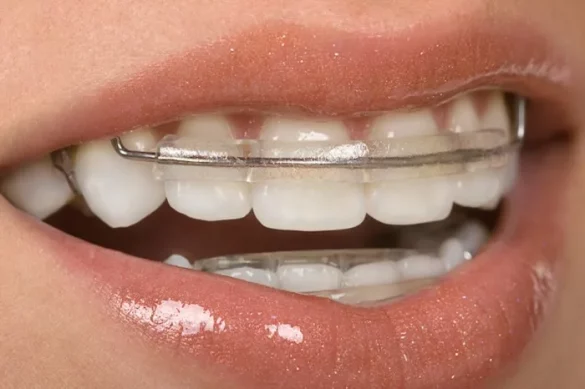
For those who previously had orthodontic treatment or who seek to prevent further shifting after minor correction, custom-fitted retainers are a helpful tool. Retainers created by a dental professional help keep teeth in place and can stop teeth from moving over time. Wearing a retainer as advised by a dentist is a practical method for maintaining alignment.
3. Mouthguards and Nightguards
Some people grind their teeth (a condition called bruxism), which can lead to teeth shifting or becoming crooked over time. Nightguards, worn while sleeping, protect teeth from grinding forces and prevent further misalignment. Your dentist can help you choose or design a nightguard that fits your needs.
4. Dental Spacers (for Minor Gaps)
Dentists may recommend spacers — small devices placed between teeth — to gently open space for minor corrections. This approach is not suitable for complex cases and should never be attempted at home without professional advice.
What Natural Methods Can and Cannot Do
It is important to understand the limits of at-home or natural methods. These options can:
- Improve oral posture and habits that support jaw growth
- Prevent further misalignment by protecting dental health
- Help with minor changes in alignment, especially for children or those with small gaps or crowding
However, they cannot:
- Correct severe crowding, major bite issues, or large gaps
- Provide rapid or dramatic transformation of your smile
- Replace professional treatment for moderate to severe orthodontic problems
When to Seek Professional Help
If your teeth misalignment is causing pain, changes in your bite, difficulty chewing, or affecting your confidence, it is important to consult a dentist or orthodontist. Professional treatments — including braces or custom aligners — may be necessary to fully address alignment problems. For those seeking a modest improvement or maintaining previous results, at-home methods serve as supportive tools.
Regular dental checkups ensure that you monitor your progress and prevent new problems from developing. Early intervention and proactive care can preserve the results of both professional and natural strategies.
Conclusion
Getting straight teeth without braces is possible for some people, especially when dealing with minor misalignment or preventing further issues. Consistent oral posture, healthy habits, targeted exercises, and the use of clear aligners, retainers, or nightguards can all play a role in your oral health plan. However, remember that natural and at-home methods have their limits, and complex dental problems usually require professional care. Consultation with your dentist is always the safest way to assess which options are best for your unique smile.
Frequently Asked Questions
How long does it take to see results from natural methods?
Minor improvements in oral posture and alignment may take several months to become noticeable. Patience and consistency are important.
Are clear aligners as effective as braces?
For mild to moderate cases, clear aligners can be effective. For more complex issues, braces may still be recommended by your dentist.
Can adults straighten their teeth without braces?
Adults can benefit from clear aligners or retainers for minor corrections, but significant changes usually require orthodontic treatment.
Is mewing scientifically proven?
There is limited scientific evidence supporting mewing. It may improve oral posture and support jaw health but should not be seen as a replacement for orthodontic correction.
Should I try at-home teeth straightening kits?
Always consult your dentist before starting any at-home teeth straightening method or product. Professional guidance ensures safety and effectiveness.