


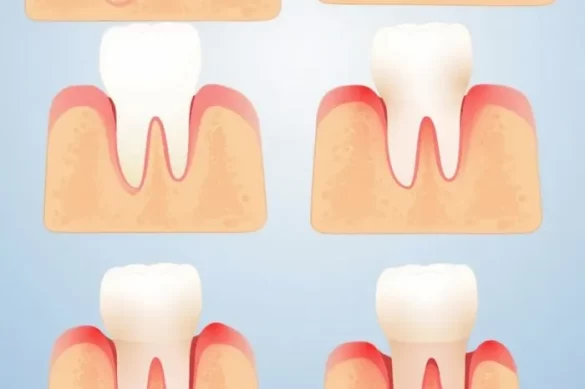
Gum pockets, also known as periodontal pockets, are spaces that form between the gums and teeth when gums pull away due to infection or inflammation. These deep pockets provide places for bacteria to grow, leading to bad breath, discomfort, and sometimes even tooth loss. Many people hope to heal gum pockets naturally. While professional dental care is essential for serious cases, a combination of natural approaches and improved oral hygiene can help improve gum health and manage symptoms when pockets are not severely advanced.
Understanding Deep Gum Pockets
Periodontal pockets develop when plaque—a sticky film of bacteria—builds up and irritates the gum tissue. This often starts quietly, with mild bleeding or redness, but can progress to deeper pockets if left unmanaged. The development of gum pockets is a sign of moderate to advanced gum disease. Early-stage gum disease (gingivitis) can often be reversed, while advanced periodontitis and deep pockets require ongoing management to prevent further damage.
Importance of Oral Hygiene
Maintaining good oral hygiene is the foundation for healing gum pockets. When plaque is not removed daily, it can harden into tartar, which increases inflammation and deepens the gum pockets. Simple steps include:
Brushing Techniques
- Brush your teeth at least twice a day.
- Use a soft-bristled toothbrush to avoid damaging gum tissue.
- Focus on brushing gently along the gum line.
- Use fluoride toothpaste to strengthen teeth and prevent cavities.
Flossing and Interdental Cleaning
- Floss between teeth every day to remove plaque and food particles from places your toothbrush cannot reach.
- Consider using interdental brushes if gaps are large or pockets are deep.
Mouthwash
- Rinse with an antibacterial mouthwash containing ingredients such as essential oils or chlorhexidine to reduce infection risk.
Natural Remedies for Deep Gum Pockets
People often look for home remedies to support gum healing. These can be used alongside professional care and good oral hygiene.
Saltwater Rinse
Saltwater is a simple tool to soothe inflammation and reduce bacteria in gum pockets. Mix half a teaspoon of salt into a glass of warm water. Rinse your mouth for 30 seconds, then spit out the water. This can be done twice daily after brushing.
Oil Pulling
Oil pulling is an ancient method for cleansing the mouth. Swishing a tablespoon of coconut oil or sesame oil in your mouth for 10–20 minutes reduces bacteria wherever pockets exist. This practice may feel strange at first, but studies suggest it can reduce plaque and lower inflammation.
Aloe Vera Gel
Aloe vera is well known for its healing abilities. Applying a small amount of organic aloe vera gel directly to the gums soothes inflammation and can promote tissue repair. Always ensure the gel is food-grade and safe for oral use.
Turmeric Paste
Turmeric contains curcumin, which gives it strong anti-inflammatory and antibacterial properties. Mix turmeric powder with water or coconut oil to create a paste. Apply gently to affected gums, leave on for a few minutes, then rinse thoroughly. This can help decrease redness and swelling.
Green Tea
Drinking green tea or swishing cooled green tea in your mouth introduces antioxidants that fight inflammation and bacterial growth. Green tea’s natural components help support gum health and reduce sensitivity.
Tea Tree Oil
Tea tree oil has demonstrated antibacterial effects. However, it must be diluted before use. Add a drop to water, swish gently, then spit. Never swallow essential oils. Tea tree oil can help with minor infection control within pockets.
Diet and Lifestyle Choices
Nutrition has a large impact on gum health. A diet rich in specific vitamins and minerals can promote healing and reduce future pocket formation.
Vitamin C and Calcium
- Citrus fruits like oranges, lemons, and grapefruits provide vitamin C, which helps gum tissue heal.
- Leafy green vegetables and dairy products are high in calcium, vital for strong teeth and supportive bones around the gums.
Whole Foods and Antioxidants
Eat plenty of crunchy vegetables such as carrots and apples. These help clean teeth naturally and stimulate gum tissue. Nuts and seeds provide healthy fats and micronutrients for healing. Avoid packaged foods high in sugar, which promote plaque buildup.
Water Intake
Drink plenty of water to flush away bacteria and food particles. Staying hydrated helps maintain saliva levels, which are important for washing away the bacteria that may settle in deep gum pockets.
Healthy Habits to Protect Gum Health
Alongside natural remedies, certain habits help prevent deep pockets or worsening symptoms:
- Quit tobacco use, as it slows gum healing and promotes infection.
- Reduce stress, which can weaken the body’s immune defenses against gum disease.
- Manage chronic conditions such as diabetes, since they increase risk for periodontal pockets.
When to Seek Professional Dental Help
Natural remedies and home care are most suited for mild to moderate gum issues or as supportive therapy. If deep pockets do not improve, or if you experience ongoing bleeding, severe pain, or gum recession, you should see a dentist. Professional treatments such as scaling and root planing, deep cleanings, and sometimes laser therapy are needed for advanced gum disease.
Dentists can measure pocket depth and offer specific advice on what home approaches can be safely continued. Regular dental check-ups every six months are recommended to catch gum problems early and maintain long-term gum health.
Long-Term Strategies for Sustainable Gum Healing
Healing deep gum pockets is not a quick fix; it requires ongoing dedication. The steps for success include:
- Maintain disciplined daily oral hygiene
- Use natural rinses and topical remedies as described
- Eat balanced meals rich in fresh produce and low in processed sugar
- Stay hydrated
- Have regular dental check-ups for professional cleaning and pocket monitoring
By sticking to these habits, you can reduce the depth of gum pockets, slow or stop disease progression, and support recovery.
Conclusion
Deep gum pockets can be unsettling, but many natural methods offer real benefits and comfort. Consistent oral hygiene, the right nutrition, and proven home remedies like saltwater rinses and oil pulling support gum healing and health. Most importantly, understanding when to seek professional help ensures lasting results and prevents serious complications. Take control of your gum health today by combining these simple, practical strategies.
FAQs
Can deep gum pockets heal without surgery?
Mild pockets may heal with diligent home care, but deep or advanced pockets often need dental intervention. Natural remedies help support healing, but professional treatments may be needed for best results.
How long does it take to see improvement using natural remedies?
With regular care, early improvements can be seen within weeks. Deeper pockets may take several months and require ongoing management.
Is oil pulling safe for everyone?
Oil pulling is generally safe, but spit the oil into a trash can (not the sink) to prevent clogs. If you have allergies to coconut or sesame oil, do not use this method.
How often should I use saltwater rinses?
Saltwater rinses can be used twice daily, especially after brushing, to soothe gums and reduce bacteria.
When should I visit a dentist?
Seek professional help if you notice ongoing pain, bleeding, gum recession, loose teeth, or if pockets do not improve with home care.